


Conversation
03.15.24
Time up for TikTok?
On March 13, in a rare moment of bipartisanship, the House of Representatives overwhelmingly passed a bill that could result in TikTok’s being unable to do business in the U.S. What does the rapid passage of the bill in the House say about the state...
Viewpoint
02.21.24
“When It All Comes down to It, China Has No Real ‘New Year’”
I’ve written all of this because friends urged me to offer some reflections on the year gone by and jot down a few thoughts for the upcoming year. But I didn’t want to waste my time looking up data points. Anyway, I don’t see that there was all that...
Viewpoint
01.22.24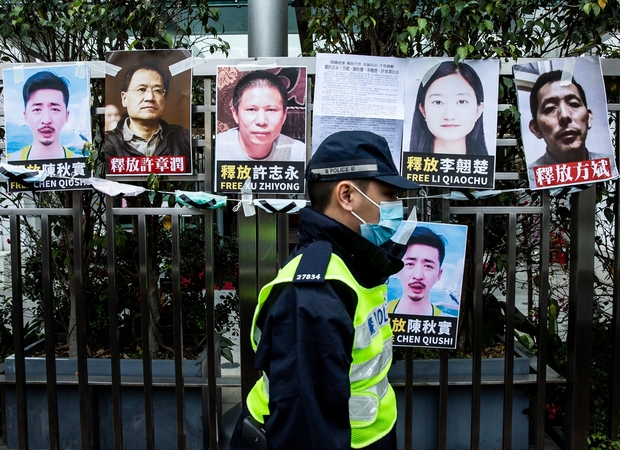
Beijing Is Pouring Resources into Its UN Human Rights Review—All to Prevent Any Real Review from Taking Place
On January 23, a large delegation of Chinese officials will appear at the United Nations Human Rights Council (HRC) to try to defend the indefensible. For the first time since 2018, China will undergo a Universal Periodic Review (UPR), in which UN...
Media
11.01.23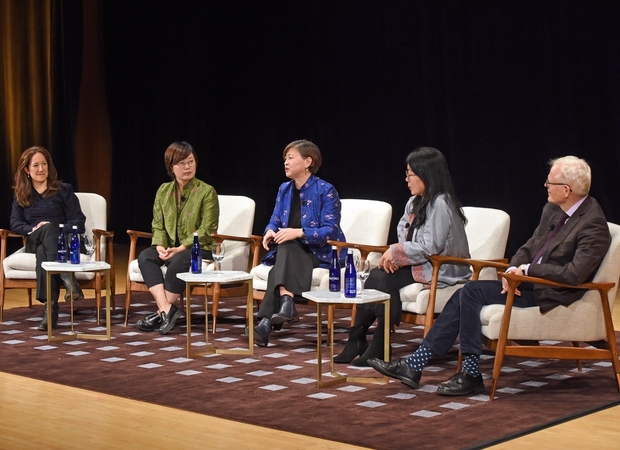
ChinaFile Presents: China Reporting in Exile
ChinaFile and The New York Review of Books co-hosted a panel discussion with Chinese journalists working from abroad. Participants included reporter, editor, and digital media entrepreneur Annie Jieping Zhang, New York Times columnist Li Yuan,...
Notes from ChinaFile
10.10.23
The Global Times Translated My Op-Ed. Here’s What They Changed.
On May 25, 2023, The New York Times published my guest essay “Like It or Not, America Needs Chinese Scientists,” on American higher education’s engagement with China in the STEM fields. The article was subsequently translated by the Chinese State-...
The NYRB China Archive
04.06.23
Appeasement at the Cineplex
from New York Review of Books
Although Beijing and Hollywood inhabit political and cultural universes that have little in common, they are similar in one important respect: both have expended vast amounts of energy, time, and capital confecting imaginary universes. The Chinese...
Viewpoint
03.21.22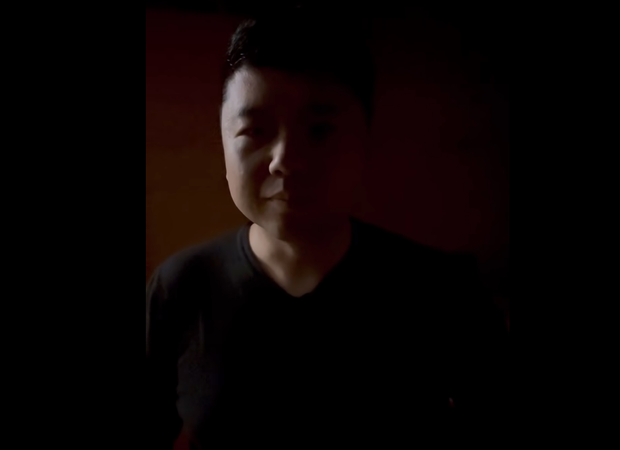
‘I’ve Forgotten How to Kneel in Front of You!’
It started with a simple message to his parents. Russian forces were invading Ukraine and, in case something happened to him, Wang Jixian, a computer programmer based in Odessa, decided he had better record a few words addressed to his parents on...
Viewpoint
02.01.22
Verdicts from China’s Courts Used to Be Accessible Online. Now They’re Disappearing.
Judicial transparency in China has taken a significant step backward in recent months. Beginning at least a year ago, China’s Supreme People’s Court has considerably scaled back the number of cases available on its China Judgments Online web portal...
Viewpoint
05.18.21
A Letter to My Editors and to China’s Censors
Xu Zhangrun, perhaps China’s most famous dissident legal scholar, released a letter addressed not only to China’s censors but also to the editors and publishers with whom he had worked for decades. That essay, translated below, is Letter Eight in...
Viewpoint
05.14.21
Ahead of Its Centennial, the Chinese Communist Party Frets Over Unsanctioned Takes on Its History
On July 1, the Chinese Communist Party will commemorate its founding in Shanghai one hundred years ago. Unsurprisingly, Beijing is leaving no stone unturned to ensure that nothing untoward takes place in the run-up to the great day. On April 9, the...
Features
12.20.20
Message Control
Li Wenliang’s death had only been announced a few hours earlier, but Warming High-Tech was already on the case. The company had been monitoring online mentions of the COVID-whistleblower’s name in the several days since police had detained and...
Conversation
09.25.20
Technical Difficulties
Citing national security concerns, the Trump administration announced September 18 that it was banning both TikTok and WeChat from mobile app stores starting Sunday, with further usage bans to come. While that date came and went without any impact...
Viewpoint
08.20.20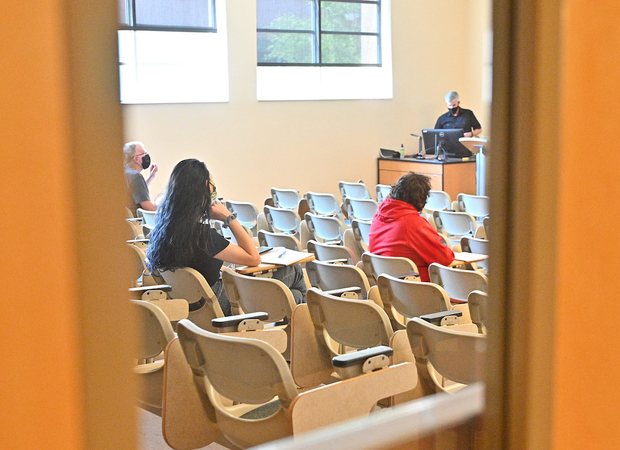
How To Teach China This Fall
The coming academic year presents unique challenges for university instructors teaching content related to China. The shift to online education, the souring of U.S.-China relations, and new national security legislation coming from Beijing have...
Conversation
06.16.20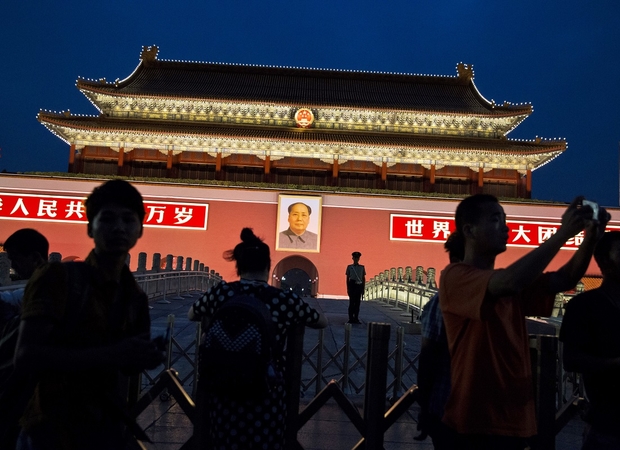
China’s Zoom Bomb
In the lead-up to the 31st anniversary of the Tiananmen Square demonstrations this spring, Zoom, the U.S.-based company whose online meeting platform has rocketed to global prominence amid the COVID-19 pandemic, received requests from China’s...
The NYRB China Archive
03.26.20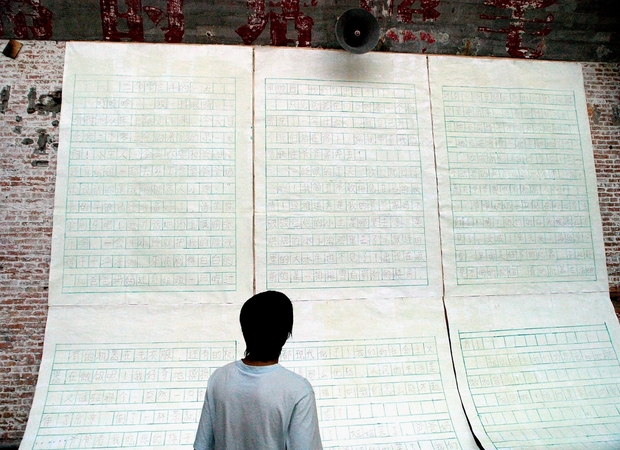
The Flowers Blooming in the Dark
from New York Review of Books
It’s possible to identify another period that might surpass the 1980s as China’s most open: a 10-year stretch beginning around the turn of this century, when a rich debate erupted over what lay ahead. As in the past, many of those speaking out were...
Conversation
11.04.19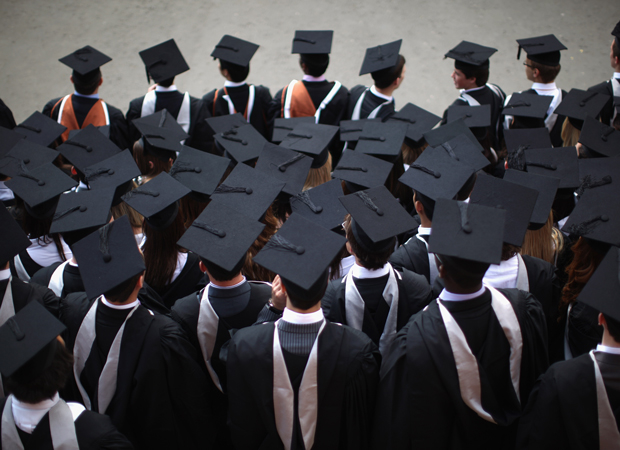
How Should Universities Respond to China’s Growing Presence on Their Campuses?
How should universities encourage respectful dialogue on contentious issues involving China, while at the same time fostering an environment free of intimidation, harassment, and violence? And how should university administrators and governments...
Culture
09.30.19
The Same Old ‘China Story’ Keeps Chinese Sci-Fi Earthbound
In the run-up to the 70th anniversary of the People’s Republic on October 1, China’s television regulator has mandated that all television channels only air patriotic shows. The ban might be short-lived, but it has kept the news in the headlines and...
Postcard
08.28.19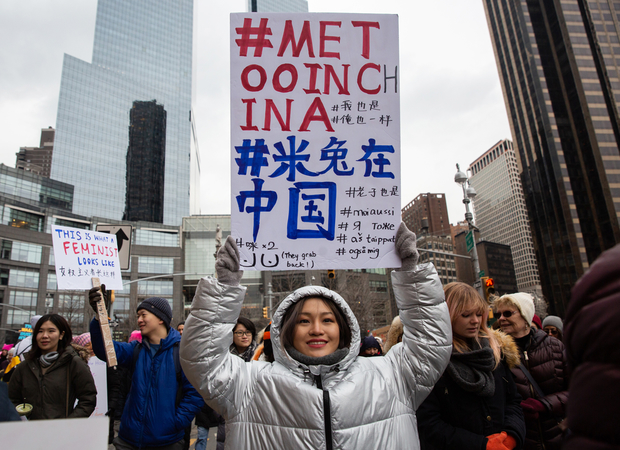
Thwarted at Home, Can China’s Feminists Rebuild a Movement Abroad?
A small number of China’s feminist movement’s influential thinkers and organizers have relocated overseas, in search of an environment more hospitable to their activism. Today, though their numbers are relatively small, they have succeeded in...
Excerpts
07.31.19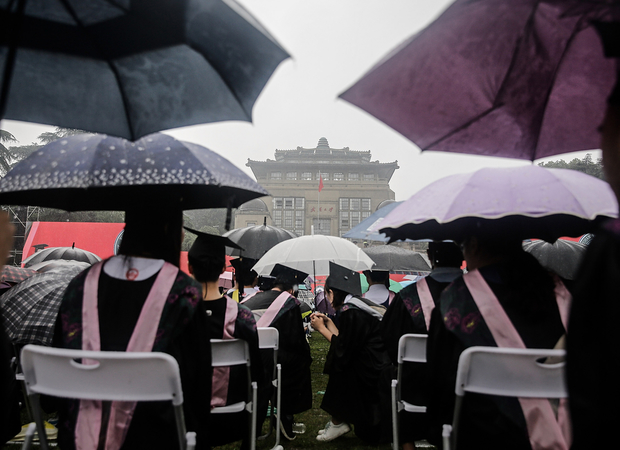
What Role Will Intellectuals Play in China’s Future?
As we commemorate the thirtieth anniversary of China’s 1989 democracy movement, it is hard to imagine students and intellectuals playing a similar role today. In China’s highly marketized and politically controlled society, the space for...
Conversation
06.03.19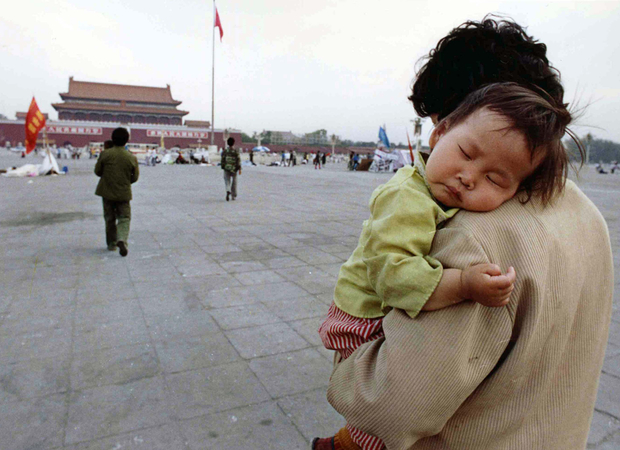
How I Learned About Tiananmen
In April, ChinaFile put out a call for young people who grew up in China to describe how they first learned about the Tiananmen Square protests and massacre, and how they felt about it. Here is a selection of the responses we received, including...
Conversation
03.28.19
What Does the Punishment of a Prominent Scholar Mean for Intellectual Freedom in China?
This week, Xu Zhangrun, a law professor at Beijing’s Tsinghua University who in recent months has penned a series of essays critical of policies of the Chinese Communist Party and of its leader, Xi Jinping, was banned from teaching, relieved of his...
Viewpoint
03.28.19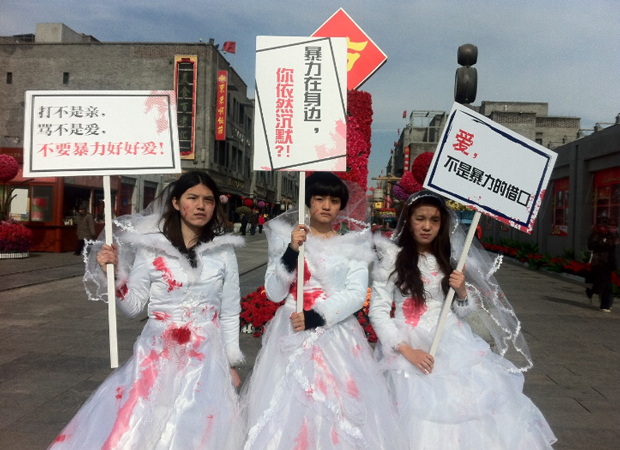
Finding a Voice
from Logic
When I started writing this article, Feminist Voices had been deleted for six months and ten days. Yes, I have been keeping track of the time: ten days, fifteen days, thirty days, sixty days, three months, six months. . . The first week after it...
Viewpoint
03.08.19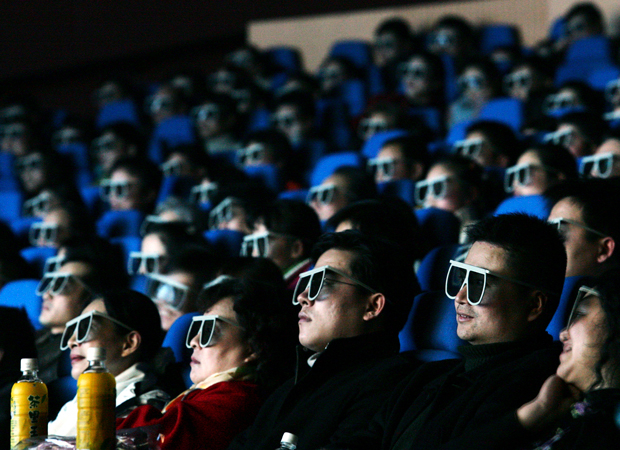
Here’s How the Trade War Is Affecting Hollywood
In February 2017, the United States and China began renegotiating the five-year film pact that had limited the annual number of foreign film exports to China to 34 and the share of revenue payable to foreign-rights holders to 25 percent of gross box...
Video
08.08.18
The Window
I have spent three years collecting accounts and examining how survivors and families have coped since that traumatic event. I document the lingering pain, to resist public forgetting and indifference. Hundreds of photographs bear witness to the...
Conversation
08.07.18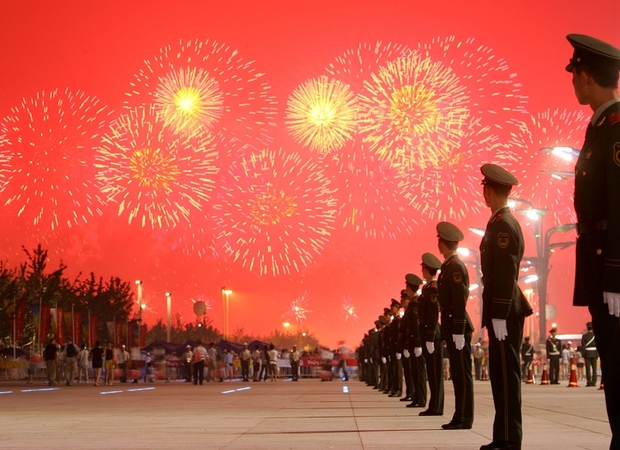
We’re a Long Way from 2008
On August 8, 2008, China’s then Chairman Hu Jintao told a group of world leaders visiting Beijing to attend the Olympics that “the historic moment we have long awaited is arriving.” Indeed, awarding the Games to China in 2001 sparked a fierce debate...
ChinaFile Recommends
08.07.18Chinese Audiences Will Not See Disney’s New Movie Starring Notorious Outlaw Winnie the Pooh
Slate
Christopher Robin, which is already in theaters in the U.S., is the second Disney movie to be rejected in China this year, following A Wrinkle in Time. Another source told THR that Christopher Robin was not...
ChinaFile Recommends
07.26.18Chinese Internet Users Employ the Blockchain to Share a Censored News Article
Verge
Chinese netizens have turned to blockchain to share a censored news story about faulty vaccines given to small babies. Their efforts to repost an investigative piece about a large vaccine maker were largely thwarted by Internet monitors, but by...
ChinaFile Recommends
06.21.18John Oliver, Having Mocked Chinese Censorship, Is Censored in China
New York Times
In a 20-minute segment about China that aired Sunday on the satirical news show “Last Week Tonight,” the host John Oliver brought up President Xi Jinping’s resemblance to Winnie the Pooh.
The NYRB China Archive
06.18.18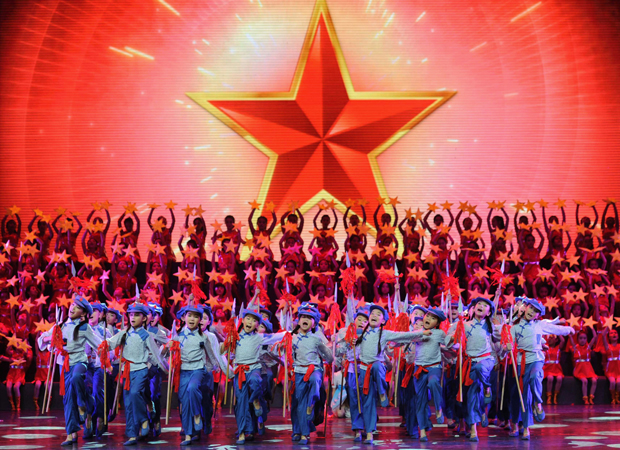
‘Ruling Through Ritual’: An Interview with Guo Yuhua
from New York Review of Books
Guo Yuhua is one of China’s best-known sociologists and most incisive government critics. A professor at Tsinghua University in Beijing, she has devoted her career to researching human suffering in Chinese society, especially that of peasants, the...
Books
06.13.18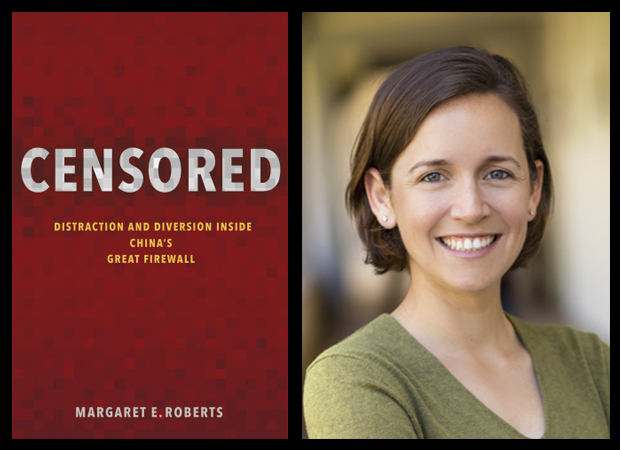
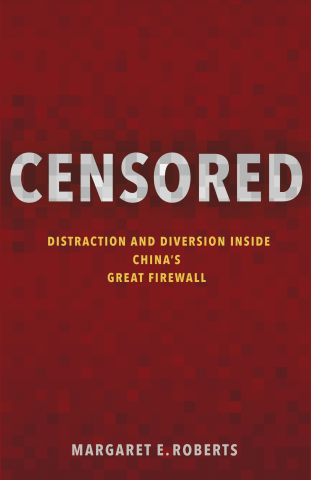
Censored
Princeton University Press: As authoritarian governments around the world develop sophisticated technologies for controlling information, many observers have predicted that these controls would be ineffective because they are easily thwarted and evaded by savvy Internet users. In Censored, Margaret Roberts demonstrates that even censorship that is easy to circumvent can still be enormously effective. Taking advantage of digital data harvested from the Chinese Internet and leaks from China’s Propaganda Department, this book sheds light on how and when censorship influences the Chinese public.Roberts finds that much of censorship in China works not by making information impossible to access but by requiring those seeking information to spend extra time and money for access. By inconveniencing users, censorship diverts the attention of citizens and powerfully shapes the spread of information. When Internet users notice blatant censorship, they are willing to compensate for better access. But subtler censorship, such as burying search results or introducing distracting information on the web, is more effective because users are less aware of it. Roberts challenges the conventional wisdom that online censorship is undermined when it is incomplete and shows instead how censorship’s porous nature is used strategically to divide the public.Drawing parallels between censorship in China and the way information is manipulated in the United States and other democracies, Roberts reveals how Internet users are susceptible to control even in the most open societies. Demonstrating how censorship travels across countries and technologies, Censored gives an unprecedented view of how governments encroach on the media consumption of citizens.{chop}
Conversation
05.11.18
Do American Companies Need to Take a Stance on Taiwan?
China’s airline regulator recently sent a letter to 36 international air carriers requiring them to remove from their websites references implying that Taiwan, Hong Kong, and Macau are not part of China. In a surprisingly direct May 5 statement, the...
ChinaFile Recommends
05.09.18How China Managed to Play Censor at a Conference on U.S. Soil
Foreign Policy
The Beijing-backed Confucius Institute offers much-needed money to American universities — but with strings attached.
ChinaFile Recommends
05.01.18Peppa Pig, Subversive Symbol of the Counterculture, in China Video Site Ban
Guardian
The latest subversive symbol in China is a small pink cartoon pig: Peppa Pig to be precise.
ChinaFile Recommends
05.01.18The Demise of Watchdog Journalism in China
New York Times
As unfettered capitalism reached a fever pitch in China in the early 2000s, a boom in investigative journalism was hailed as the most salient example of growing citizen power.
ChinaFile Recommends
04.19.18China Wages War on Apps Offering News and Jokes
Economist
At the end of last year Bytedance, one of China’s most talked-about technology firms, seemed to have the world at its feet.
Conversation
04.18.18
A Ban on Gay Content, Stopped in Its Tracks
On April 13, China’s major microblogging platform Sina Weibo announced that, in order to create “a sunny and harmonious” environment, it would remove videos and comics “with pornographic implications, promoting bloody violence, or related to...
Conversation
04.11.18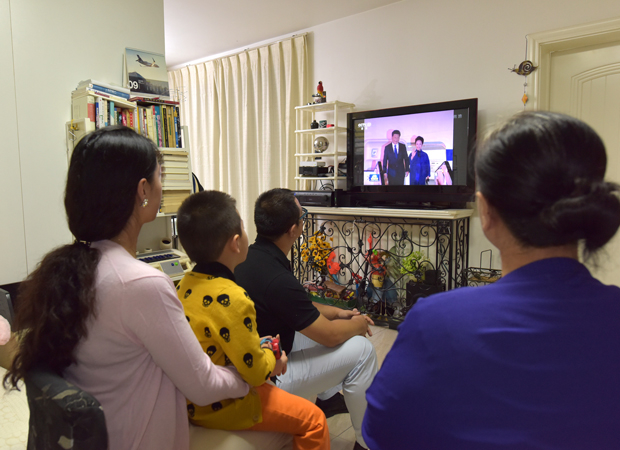
China’s Communist Party Takes (Even More) Control of the Media
China’s Communist Party made moves last month to solidify and formalize its (already substantial) control over the country’s media. China’s main state-run broadcasters are to be consolidated into a massive new “Voice of China” under the management...
Reports
03.13.18
Forbidden Feeds: Government Controls on Social Media in China
PEN International
Based on extensive interviews with writers, poets, artists, activists, and others personally affected by the government’s grip on online expression, as well as interviews with anonymous employees at Chinese social media companies, this report lays...
Media
03.08.18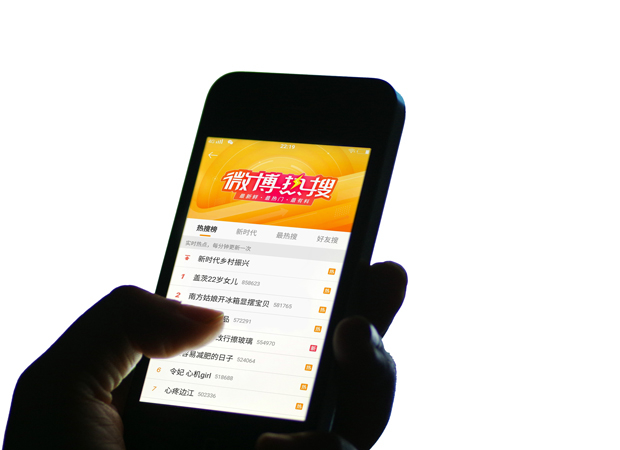
Weibo Whack-a-Mole
from Weiboscope
China might be the world’s second-largest economy, and have more Internet users than any other country, but each year it is ranked as the nation that enjoys the least Internet freedom among the 65 sample nations scored by the U.S.-based Freedom...
The NYRB China Archive
03.02.18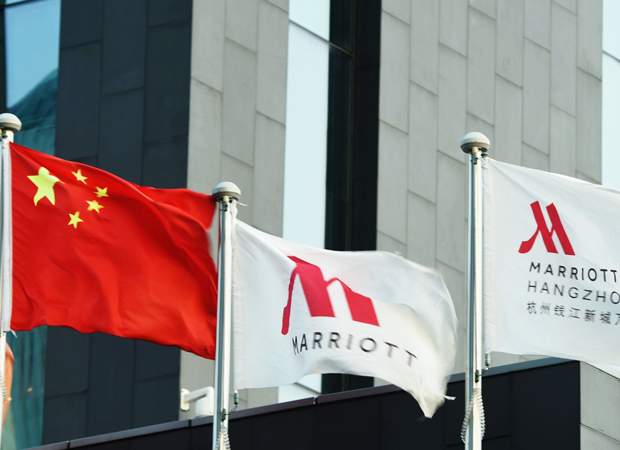
The Brands That Kowtow to China
from New York Review of Books
There’s been no joking as the apologies to China have come thick and fast in recent weeks, issued not by teenage singers but by some of the largest and richest multinational corporations in the world—the German luxury car manufacturer Daimler, the...
ChinaFile Recommends
03.01.18Why China Is Censoring Winnie the Pooh—and the Letter ‘N’
Fortune
Chinese President Xi Jinping has had a fruitful five plus years in his current position.
Sinica Podcast
03.01.18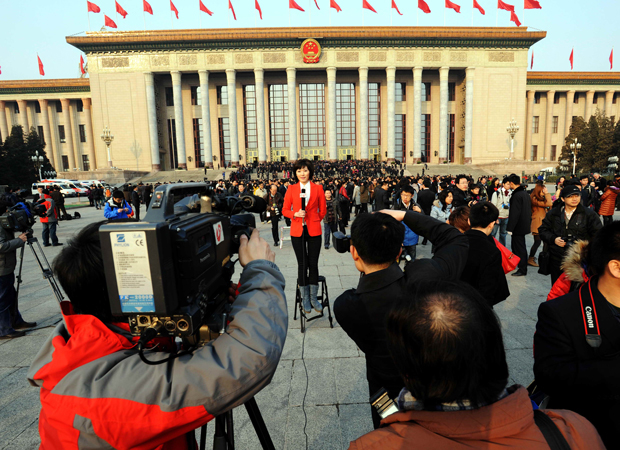
Can Chinese Journalists Criticize the Party-State?
from Sinica Podcast
Outside observers typically view China’s media as utterly shackled by the bonds of censorship, unable to critique the government or speak truth to power in any meaningful sense. In part, this is true. Censorship and other pressures do create “no-go...
Viewpoint
02.15.18
A Clash of Cyber Civilizations
There has been little need for the term “cyber sovereignty” among democratic states: the Internet, by its nature, operates under an aegis of freedom and cooperation. However, as the international system slips away from American unipolarity, a...
ChinaFile Recommends
02.08.18Germany’s Daimler Issues ‘Full Apology’ to China over Dalai Lama
BBC
Daimler has issued a second emphatic apology to China after its subsidiary, Mercedes Benz, quoted the Dalai Lama in an Instagram post on Monday.
ChinaFile Recommends
02.06.18China Confirms Detention of Hong Kong Bookseller Snatched from Train
Wall Street Journal
China confirmed it was holding Swedish citizen Gui Minhai and that he would be dealt with according to Chinese law, as Stockholm stepped up criticism of Beijing for its “brutal” treatment of the Hong Kong bookseller.
ChinaFile Recommends
02.02.18How WeChat Came to Rule China
Verge
China’s most popular messaging app, WeChat, has always had a close relationship with the Chinese government. The app has been subsidized by the government since its creation in 2011, and it’s an accepted reality that officials censor and monitor...
Media
01.24.18
China’s Animated Underbelly
from China Film Insider
A tousled-haired young man in a third-tier Chinese city is desperate to fix the botched plastic surgery done on his fiancée’s face. At knifepoint, he steals a satchel of one million yuan from a local gangster, setting off a chain-reaction of greed...
ChinaFile Recommends
01.24.18‘Me Too,’ Chinese Women Say. Not so Fast, Say the Censors.
New York Times
They call themselves “silence breakers,” circulate petitions demanding investigations into sexual harassment and share internet memes like clenched fists with painted nails.
ChinaFile Recommends
01.16.18China Disrupts Global Companies’ Web Access as Censorship Bites
Financial Times
Groups fear being forced to use expensive VPN software surveilled by Beijing.
ChinaFile Recommends
12.22.17France Couple in China Unreachable After Liu Xiaobo Tribute
BBC
Hu Jiamin and Marine Brossard painted a mural showing an empty blue chair at an art exhibition in Shenzhen last week.
ChinaFile Recommends
12.22.17China's Real-Life Magic Realism of 2017, According to Chinese Netizens
Quartz
In China, the term is beloved by netizens who use it when surfacing the absurd in political and social phenomena they witness daily.
Conversation
12.06.17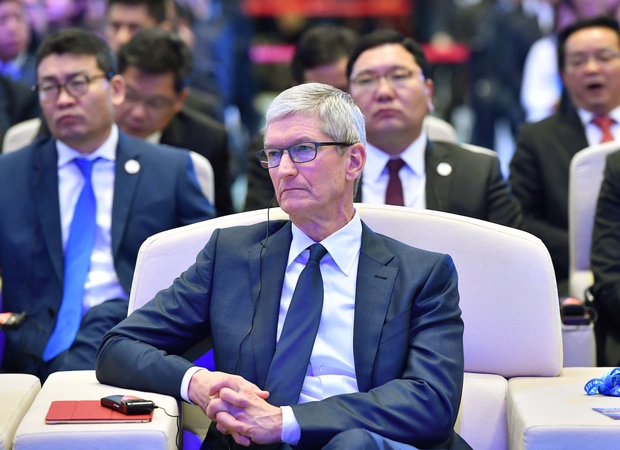
Apple in China: WTF?
In November, the non-profit watchdog Freedom House called China “the worst abuser of Internet freedom” of the 65 countries it surveyed. And yet, on December 3, Apple CEO Tim Cook keynoted China’s annual World Internet Conference. “The theme of this...
ChinaFile Recommends
12.06.17Will Tech Firms Challenge China’s ‘Open’ Internet?
BBC
China has been smart and ruthless in its control of the internet within its borders. It blocks some foreign sites altogether and it censors - heavily - what Chinese are allowed to see.
ChinaFile Recommends
12.01.17China's Evicting Mentions of Its "Low-End" Migrants from Cyberspace
Quartz
First Beijing pushed thousands of migrant workers out of the city in the name of safety. Now authorities are carrying out a parallel virtual eviction as well, removing references to China’s “low-end population” from the internet.
ChinaFile Recommends
11.15.17U.S. Congress Urged to Require Chinese Journalists to Register as Agents
Reuters
A report to the U.S. Congress released on Wednesday accused Chinese state media entities of involvement in spying and propaganda and said their staff in the United States should be required to register as foreign agents.
ChinaFile Recommends
11.13.17Taiwan Boosts Cyber Defences Against Threat from China
Financial Times
Taiwan’s ruling party is bolstering its cyber defences after hacking attacks that have raised fears that groups linked to the Chinese government plan to influence elections.
Viewpoint
11.03.17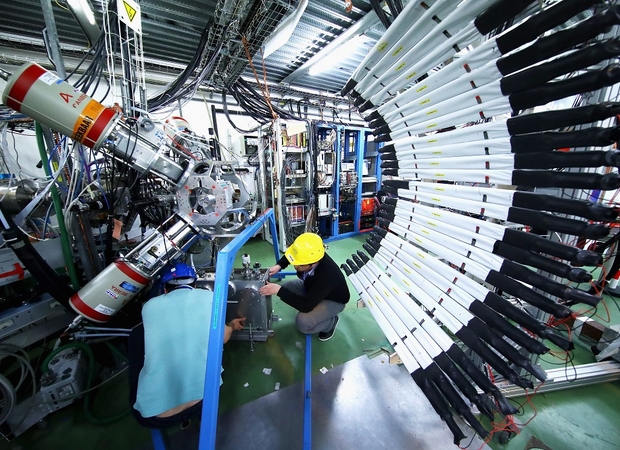
The Future of Particle Physics Will Live and Die in China
from Foreign Policy
“Don’t you dare kill my project.”My phone interview with a senior official at the Chinese Academy of Sciences (CAS) had started with bland, yet polite, responses. But it took a sharp turn toward audible agitation and hostility as I raised my final...
ChinaFile Recommends
10.26.17Life Is about to Get Even Harder for Foreign Media in China
Diplomat
It is widely known that foreign journalists encounter various strict restrictions when reporting on China — particularly since Chinese President Xi Jinping came into office five years ago. But China just sent another strong message to the “trouble-...
ChinaFile Recommends
10.10.17Diplomat's China Speech Renews Australia University Debate
BBC
Australia's education minister has urged universities to maintain academic integrity after a diplomat renewed a discussion about possible Chinese influence on campuses.
ChinaFile Recommends
10.10.17In China, Scholars Are Being Punished amid Growing Squeeze on Public Expression
NPR
In late July, Beijing Normal University authorities fired Shi Jiepeng, an assistant professor, citing a number of offenses, including "expressing views outside the mainstream of society."