Making Waves in the South China Sea

A ChinaFile Conversation

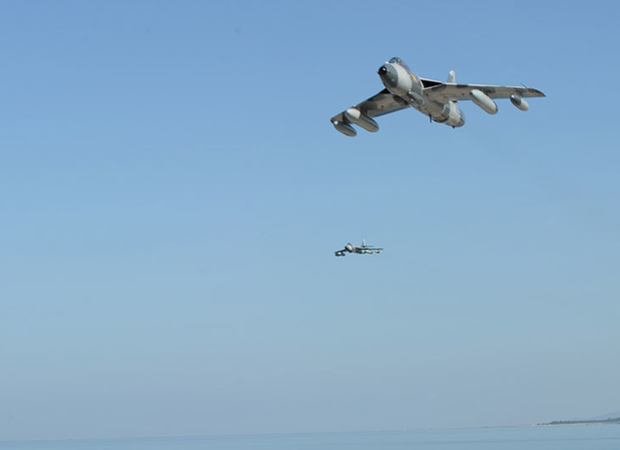
Challenging China’s newly assertive behavior in the South China Sea, this week the U.S. Navy sailed some of its biggest ships inside the nine-dash line, exercising its claim to freedom of movement in international waters plied by billions in trade each day. Was the U.S. action necessary? What might have been done differently? What was the calculus in Washington and what are the risks? What happened and what might happen next? —The Editors
‘Stop Boasting and Fight’

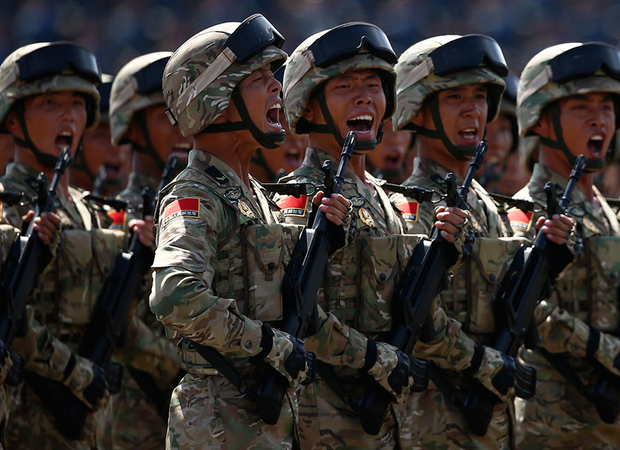
Nationalist Netizens Furious China Didn’t Take Military Action Against the U.S. in the South China Sea

On October 27, the high-stakes maritime game of chicken that has been playing out in the South China Sea came to a head. In a long-discussed freedom of navigation patrol, the United States sailed the USS Lassen, a guided missile destroyer, within 12 miles of artificial islands that China has built amid territorial disputes in the South China Sea. China tracked and warned the U.S.

Jessica Chen Weiss

Jessica Chen Weiss is Associate Professor of Government at Cornell University and the author of Powerful Patriots: Nationalist Protest in China’s Foreign Relations (Oxford University Press, 2014). Her research has been published in International Organization, China Quarterly, the Journal of Conflict Resolution, and Security Studies. Born and raised in Seattle, Washington, she received her doctorate from the University of California, San Diego in 2008. Before joining Cornell, she taught at Yale University and founded FACES, the Forum for American/Chinese Exchange at Stanford.

Rich Man, Pu’er Man

A Fermented Tea’s Steep Ascent

“These men always have machetes,” shouts the driver. Through trees along an unpaved road, he spots a ramshackle hut, slows down, and warns his passengers: this is a checkpoint. It’s the only way to enforce rules in this part of the jungle, at the top of a mountain in southwestern China, he explains. They inspect every incoming car. If they find something they don’t like, the self-appointed enforcers don’t bother to call the police.

Does the Punishment Fit the Corruption?

Revised Criminal Law Could Lead to More Consistent Sentencing

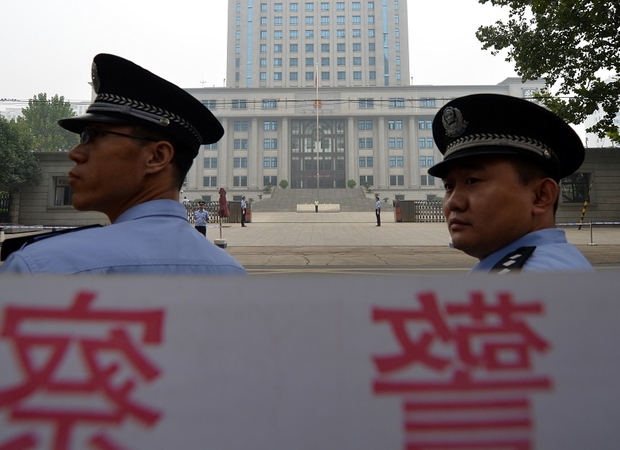
After Chen Bokui, the deputy head of a government advisory body in the central province of Hubei, was convicted of taking 2.8 million yuan in bribes by a court in the eastern province of Fujian in April, he received a somewhat stiff sentence—17 years in prison—considering the amount involved and the punishments other officials who have taken less money have received.

His trail was one of many in recent months involving formerly senior officials. In many cases the punishments are lighter than the one Chen was handed even though much more money was involved.

Davide Vacatello

Davide Vacatello is a researcher based in Rome, focusing on online public opinion in China. He studied in China at Beijing Foreign Studies University, Sichuan University, and Chinese University of Hong Kong’s School of Journalism and Communication. He is currently completing a Ph.D. in Chinese studies at Sapienza University of Rome. He is passionate about Chinese politics and society, the Internet, and new media. Vacatello is the co-founder of Chinese Doodles.

Valentina Caruso

Valentina Caruso is a freelance graphic designer with an interest in Chinese arts and culture. Born in Sicily and now based in Rome, she holds a Masters degree in Chinese language and culture from Sapienza University of Rome, and she also studied at Beijing Foreign Studies University and Xiamen University. After working in the field of sinology, she redirected her professional career towards arts and design, obtaining a degree at the European Institute of Design in Rome. She loves colors and tries to use them to depict the complexity of the world we live in. Caruso is the co-founder of Chinese Doodles.