Sino-Russian Trade After a Year of Sanctions

After a year of intense flirtation, the Sino-Russian relationship is beginning to look like a one-sided love affair. Indeed, Russian President Vladimir Putin’s visit to China last week—his first since the United States and European Union enacted sectoral sanctions against Russia after Malaysian Airline Flight 17 was shot down in eastern Ukraine in July of 2014—marked a year of frustrated ambitions in China for the Kremlin.

Carnegie Moscow Center

Publication Logo Vertical: 
Publication Logo Header: 

From their website:

For more than two decades, the Carnegie Moscow Center has been a leading source of analysis on Russia and the countries of the former Soviet Union.

The Carnegie Moscow Center publishes work in Russian and English. Our work covers a broad array of issues, including domestic politics, societal trends, economics, foreign policy, and nuclear nonproliferation.

The center’s scholars come from a variety of disciplines and backgrounds. They are united by their commitment to in-depth, evidence-based, and nonpartisan research on a broad range of regional and global challenges. Our scholars combine unparalleled local and regional expertise with a global perspective.

Established in 1910 by Andrew Carnegie, the Carnegie Endowment for International Peace seeks to advance the cause of peace and draws upon the collective resources of scholars and practitioners located in Carnegie centers in Beijing, Beirut, Brussels, Moscow, New Delhi, and Washington.
Parading Around China’s Military Legacy

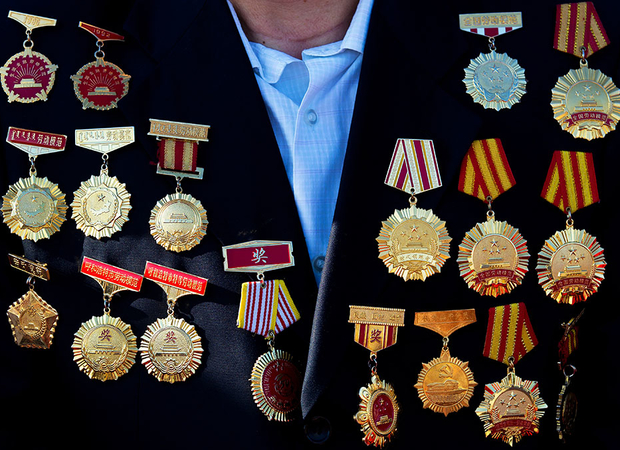
The interpretation of history is an inherently political act in China, and the struggle for control of the narrative of the War of Resistance Against Japan—World War II—has heated up during the approach to the September 3 parade commemorating the Japanese surrender. Joining the Sinica hosts to talk about changing interpretations of World War II and the big military parade in front of Tiananmen is Rana Mitter, professor of modern Chinese history at Oxford University and the author of two books on twentieth century Chinese history: “Forgotten Ally: China’s World War II 1937-1945” and “A Bitter Revolution: China’s Struggle with the Modern World.”

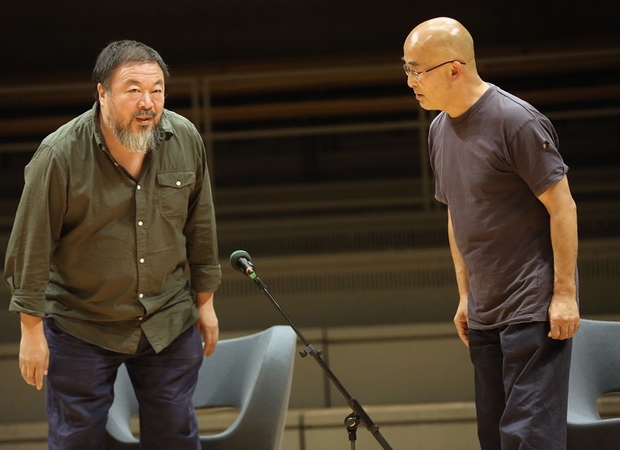
‘I Try to Talk Less’: A Conversation with Ai Weiwei and Liao Yiwu

In late July, Chinese authorities renewed travel privileges for conceptual artist and political activist Ai Weiwei, ending a five-year prohibition following his arrest in 2011. He promptly flew to Munich and then Berlin, where he has accepted a three-year guest professorship at the city’s University of the Arts.