


U.S. and China Agree on Proposal for Tougher North Korea Sanctions
on February 26, 2016
The two countries reached a resolution after intense negotiations over the last seven weeks.
The two countries reached a resolution after intense negotiations over the last seven weeks.
A former high-level Chinese energy official accused of receiving bribes said that he was tortured into confessing to the crime.
Wang told an audience at Oxford University that inaction by some officials stemmed from “flaws in systematic design.”
In China, politics continues to control law. The current leadership has rejected many of the universal legal values that China accepted—at least in principle—under communist rule in some earlier eras. Today, for example, to talk freely about constitutional reform, even within the sheltered confines of universities and academic journals, is not a safe enterprise. And discussion of judicial independence from the Communist Party at the central level is a forbidden subject.
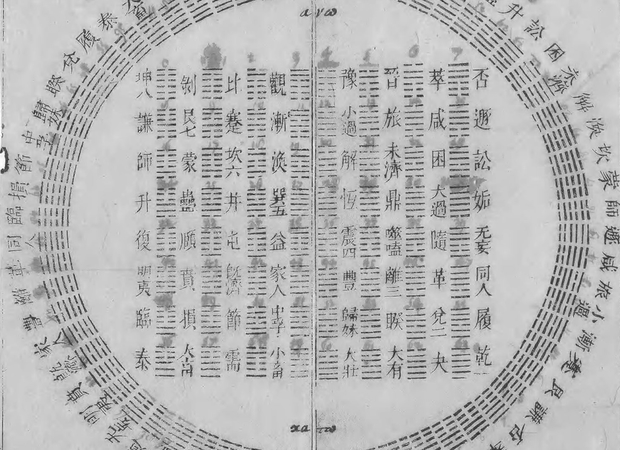
The I Ching has served for thousands of years as a philosophical taxonomy of the universe, a guide to an ethical life, a manual for rulers, and an oracle of one’s personal future and the future of the state. It was an organizing principle or authoritative proof for literary and arts criticism, cartography, medicine, and many of the sciences, and it generated endless Confucian, Taoist, Buddhist, and, later, even Christian commentaries, and competing schools of thought within those traditions.
A museum dedicated to General Stilwell opened where more than 20 years ago where the general lived and worked.
Mr. Xi recently visited the three main newsrooms in the country to convey in unmistakable terms that journalists are expected to behave like apparatchiks.
Pictures of the baby-faced couple from Guangxi province in their wedding outfits went viral on social networks earlier this week.
Cringeworthy poems, viral videos and animated raps—some of the tools President Xi uses in guiding media coverage.