


Nanfu Wang
on June 29, 2016
Nanfu Wang.

Nanfu Wang.
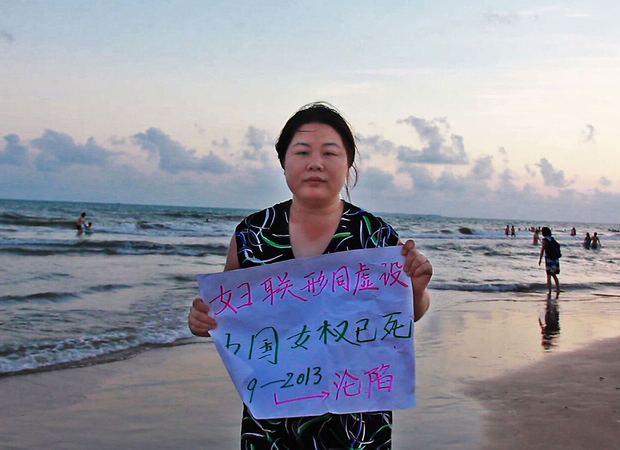
Nanfu Wang hoped that a woman called Ye Haiyan (“Hooligan Sparrow”), who had offered free sex on the Internet to draw attention to the plight of poor women selling their bodies to support their children, would lead her to the prostitutes she wanted to interview for a documentary film. Very quickly after meeting Ye for the first time in May 2013, they attended a protest in Hainan, the island province off the south China coast. They called for the punishment of a school administrator accused of kidnapping and raping six teenage girls. All of Wang’s ideas about her project changed.
China‘s “firewall” hands the position to Xu Lin after years of building internet policy....
Internet lenders are now usuing naked pictures as collatoral for high-interest loans to female students....
Cyberspace Administration takes a step forward for citizens’ privacy via smartphones....
Government demands an apology from a writer questioning an ‘official account of a wartime story’.....
Disney tries to keep China’s allurement to the Disney empire under control....
In 2016, more than seven million college students graduated in China, a new milestone in the country’s history. But the timing couldn’t have been more inopportune as the recent economic slowdown has made it more difficult to find jobs.

Every year between May and June, villagers in a Tibetan region in Sichuan province head into the mountains, at altitudes above 4,600 meters, in search of yarsagumba, or caterpillar fungus, a half-fungus, half-insect plant known in China for its health benefits. Because the plants are rare and difficulty to collect, its market price can rise to as high as U.S.$50,000 per pound. For many Tibetan families, yarsagumba is a major, and sometimes the only, source of income.
