


Media
03.07.24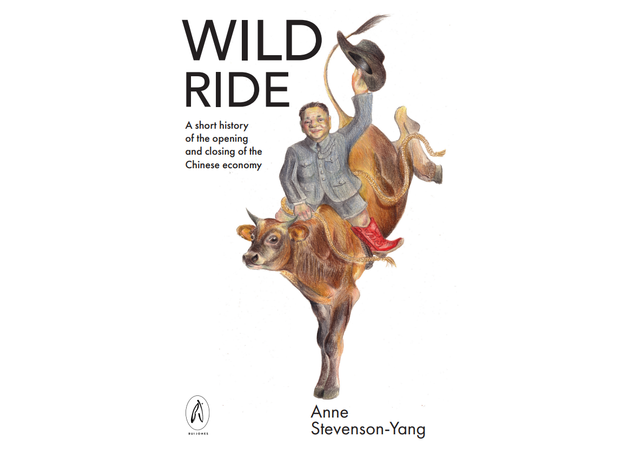
ChinaFile Presents: A Wild Ride through China’s Economy with Author Anne Stevenson-Yang
The 1980s were an extraordinary time of hope in China, both for its citizens and for foreign visitors. Anne Stevenson-Yang first went to China in 1985, where she was enchanted by the lively cultural scene and what seemed to be the growing openness...
Notes from ChinaFile
02.01.24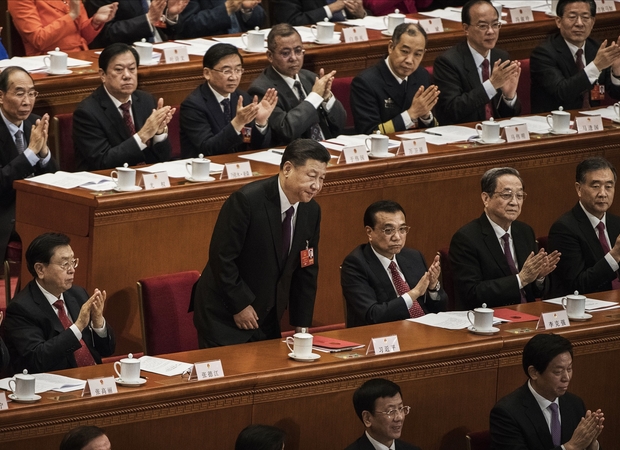
“It’s Too Convenient to Say That Xi Jinping Is a Second Mao”
The Chinese Communist Party, an organization of over ninety million members, remains opaque to many outsiders, even within China. Wall Street Journal reporter Chun Han Wong spent years in Beijing documenting social, political, and economic changes...
Viewpoint
12.07.23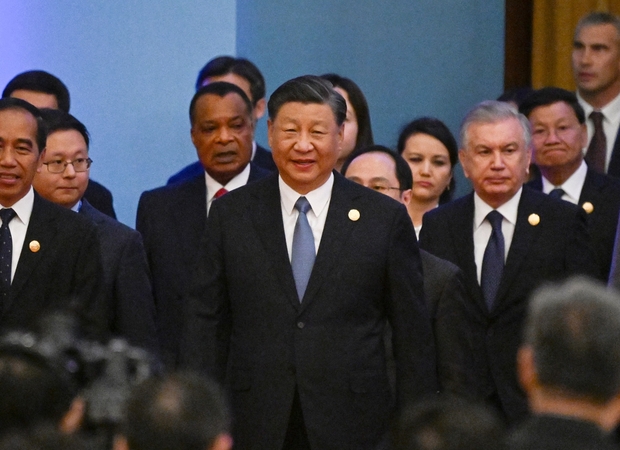
China’s Vision for World Order
In October, in front of leaders from Asia, Africa, Latin America, Eastern Europe, and the Middle East, Xi Jinping stood triumphant in a celebratory keynote address celebrating the tenth birthday of his Belt and Road Initiative (BRI). The speech,...
The NYRB China Archive
12.07.23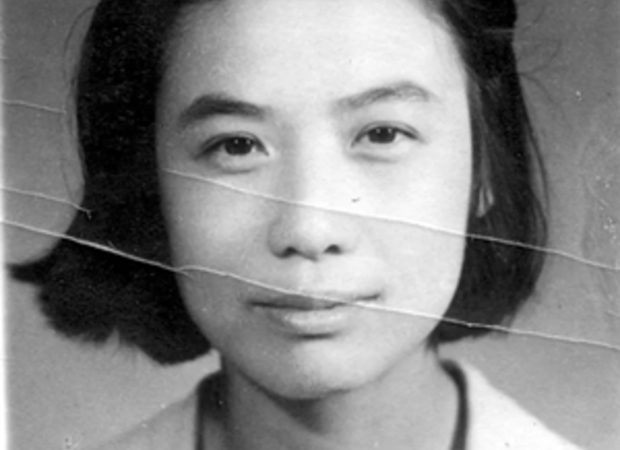
A Fallen Artist in Mao’s China
from New York Review of Books
This book will be denounced in Beijing. Ha Jin’s The Woman Back from Moscow is a novel based on the life of Sun Weishi, an adopted daughter of Chinese Premier Zhou Enlai, whose brilliant mind and intensive study in Moscow of the Stanislavski acting...
The NYRB China Archive
10.04.23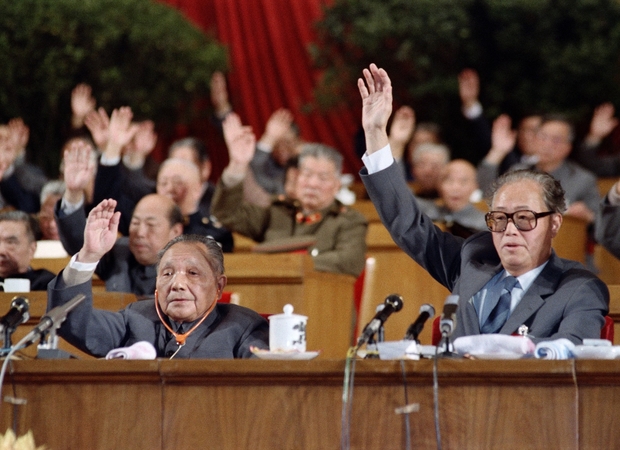
China’s Foreclosed Possibilities
from New York Review of Books
Like other authors of recent Western histories of this period, Dikötter attributes most of the early initiative in the reestablishment of diplomatic ties between Washington and Beijing to the Chinese, not to Nixon. Beijing’s preoccupation with...
Features
09.28.23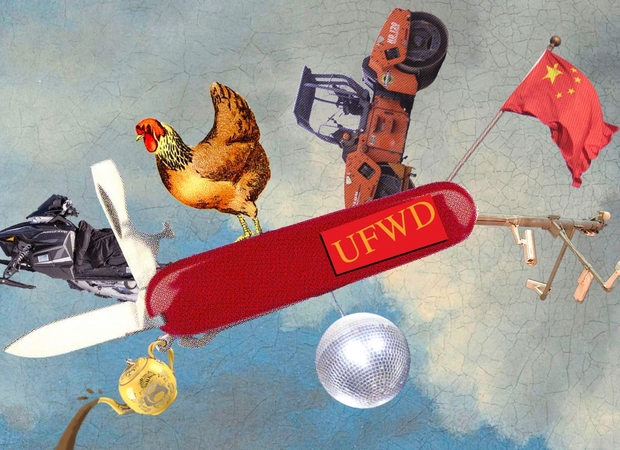
Holding Sway
In most parts of the world, the United Front Work Department is known—if at all—as a secretive Chinese Communist Party organ conducting influence operations abroad. But in Gonghe Village, the local UFWD ponied up nearly one million renminbi in 2022...
Notes from ChinaFile
06.02.23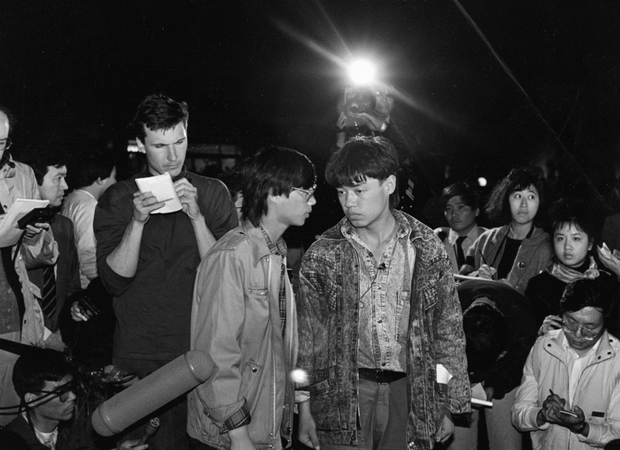
Covering Tiananmen
The Tiananmen Square crisis in 1989 was a turning point for China. Weeks of student-led demonstrations turned into the largest protest for political reform in the history of the People’s Republic. The bloody military crackdown that crushed the...
Notes from ChinaFile
01.06.23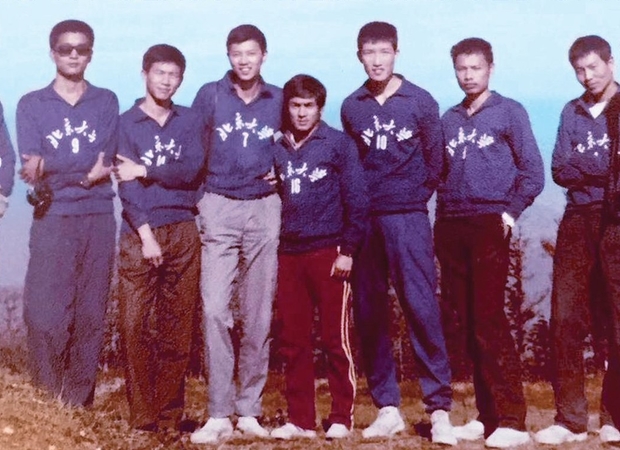
The Class of ’77
In August 1971, Jaime FlorCruz arrived in Beijing for a short trip to learn about Maoist China. Just days later, the Filipino college student learned he had been put on a blacklist by then President Ferdinand Marcos. Facing certain arrest and likely...
Viewpoint
12.12.22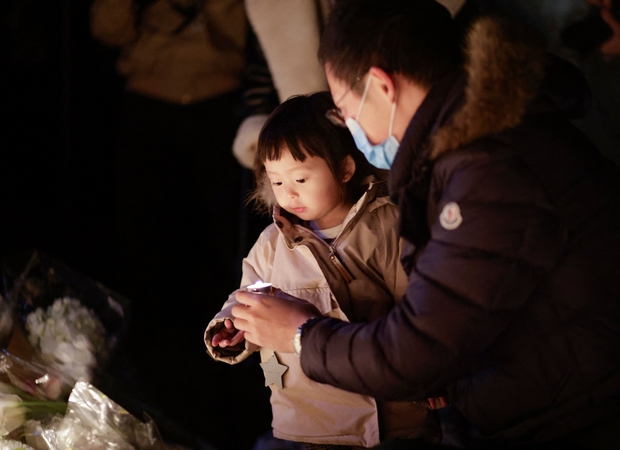
In China’s Diaspora, Visions of a Different Homeland
At the beginning, there were songs. It’s the Monday after Thanksgiving. In the storied New England town, over a hundred of us had gathered for the candlelight vigil. After a fire claimed at least ten lives in a locked-down building in Urumchi, and...
Conversation
12.02.22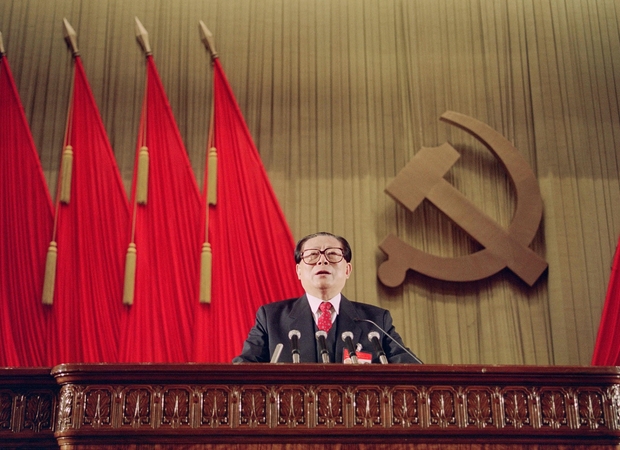
Jiang Zemin, 1926-2022
Former Chinese leader Jiang Zemin died on Wednesday at the age of 96, shortly after anger about the zero-COVID policy had boiled over into a wave of protest last weekend. Jiang took the country through the boom years of the 1990s, a time now...
The NYRB China Archive
09.20.22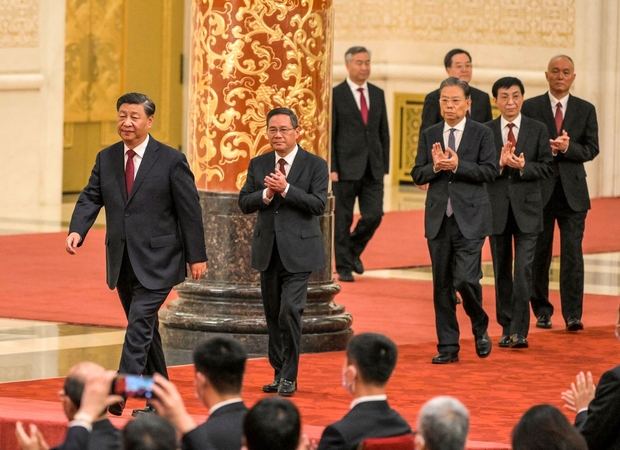
China: Back to Authoritarianism
from New York Review of Books
Over the past decade, Xi has become a transformational figure on a par with the two other giants of Chinese Communist Party rule: Mao Zedong and Deng Xiaoping. Like them, he has reversed earlier policies, in Xi’s case the relative openness that his...
China in the World Podcast
09.14.22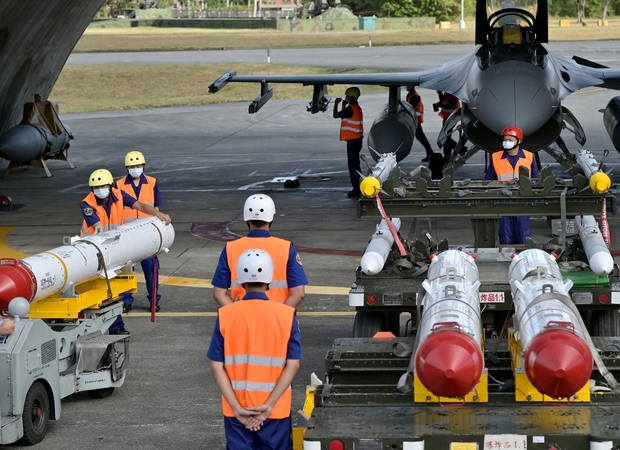
International Order and Disorder
from Carnegie China
The international order is shifting. Besides COVID-19 and supply chain disruptions, Russia’s invasion of Ukraine has led to major crises that threaten global stability. While the European Union, the United States, and their allies and partners...
Excerpts
09.06.22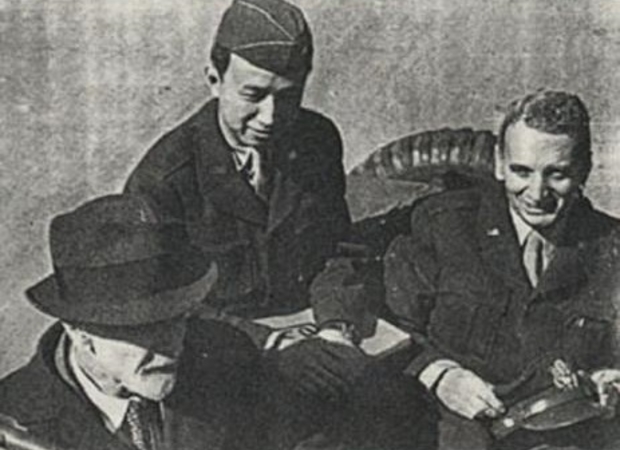
The American-Trained Rocket Scientist Who Shaped China’s Surveillance System
The role Qian Xuesen would play in propelling China into a technological and ideological clash with the United States seems almost fated in retrospect. Born in Hangzhou in 1911, the year China’s last dynasty crumbled, Qian had traveled to the United...
The NYRB China Archive
08.18.22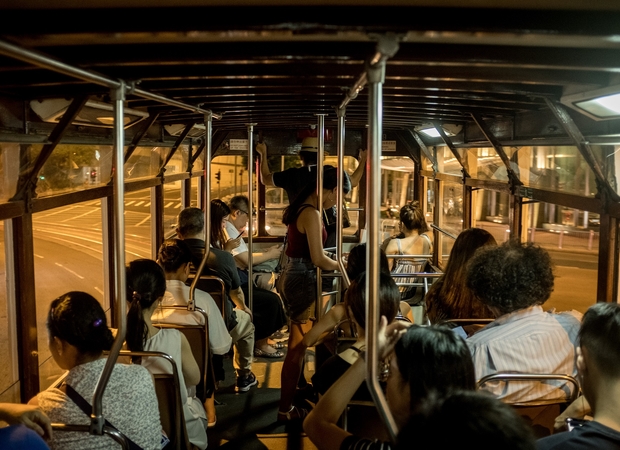
Hong Kong from the Inside
from New York Review of Books
In November 2019, some one thousand young pro-democracy protesters occupied the campus of Hong Kong’s Polytechnic University, which is located at a crucial junction of two highways and the cross-harbor tunnel. They disrupted traffic for more than a...
China in the World Podcast
08.10.22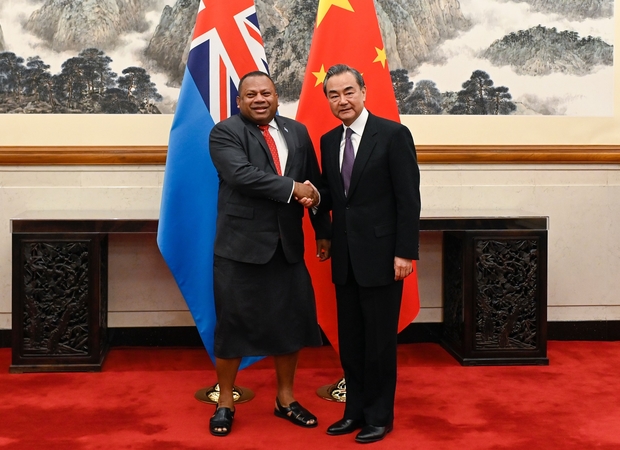
The Strategic Importance of the Indo-Pacific
from Carnegie China
Spanning from East Africa to the West Coast of the United States, the Indo-Pacific is a complex region encompassing two oceans and countless islands and maritime powers. In this episode of the China in the World podcast, Paul Haenle speaks with...
Features
06.03.22
The Prize Student
This short story, written in 2000 by Zha Jianying, is ChinaFile’s second foray into original fiction.
Viewpoint
03.12.22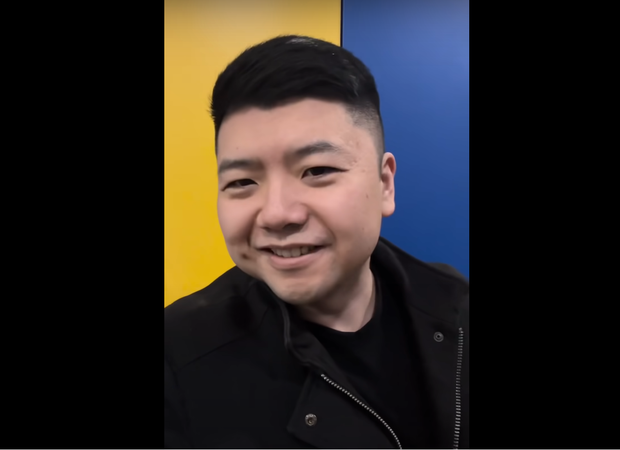
Wang Jixian: A Voice from The Other China, but in Odessa
“Hello, everyone. This is Jixian in Odessa. Just checking in to let you know that I’m okay; I’m still alive.” This is the way that Wang Jixian, a 37-year-old software engineer originally from Beijing, starts most of his daily vlog updates posted...
The NYRB China Archive
03.10.22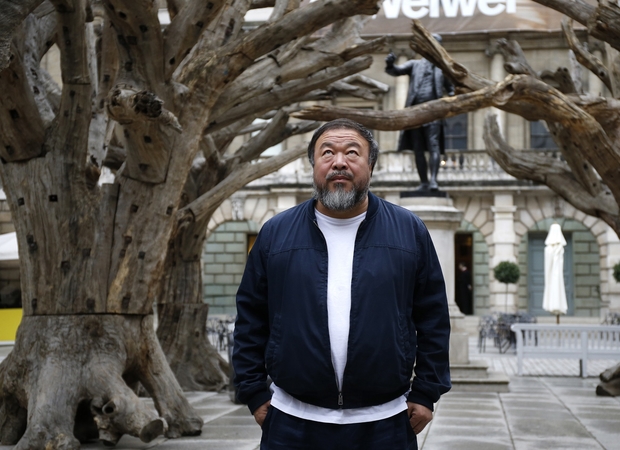
The Uncompromising Ai Weiwei
from New York Review of Books
As I read 1000 Years of Joys and Sorrows, I felt as if I’d finally come upon the chronicle of modern China for which I’d been waiting since I first began studying this elusive country six decades ago. What makes this memoir so absorbing is that it...
Conversation
03.02.22
Remembering Jonathan Spence
A few weeks after Jonathan Spence, the celebrated historian of China, died at Christmas, ChinaFile began collecting reminiscences from his classmates, doctoral students, and colleagues spanning the five decades of his extraordinary career as a...
Viewpoint
02.03.22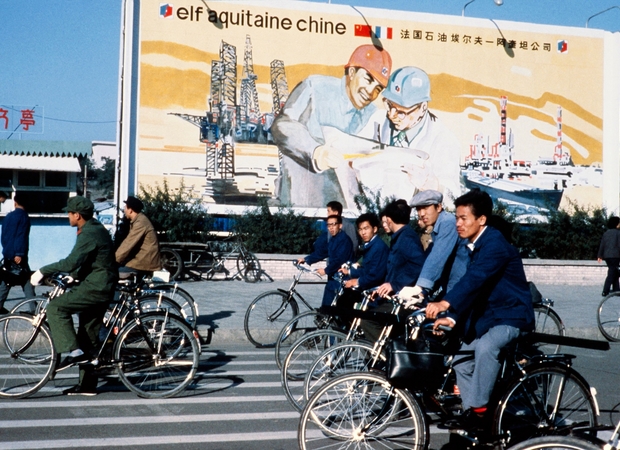
Keeping the Flies Out
from Mekong Review
The first time I rode a public bus in China, in 1985, a young woman came up to me and ran her hand up and down my arm to feel the body hair. Foreigners were like rare animals then: precious, strange, probably dangerous. Surveillance was constant and...
Conversation
01.28.22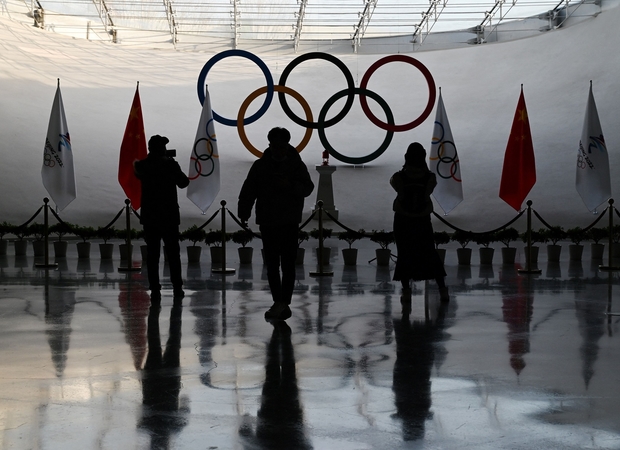
The Olympics Return to Beijing
In February Beijing will host the Olympic Games again, this time amid a surging pandemic, a new wave of lockdowns, at least 10 diplomatic boycotts, and international alarm at the disappearance of one of the country’s top athletes. “Together for a...
The NYRB China Archive
10.21.21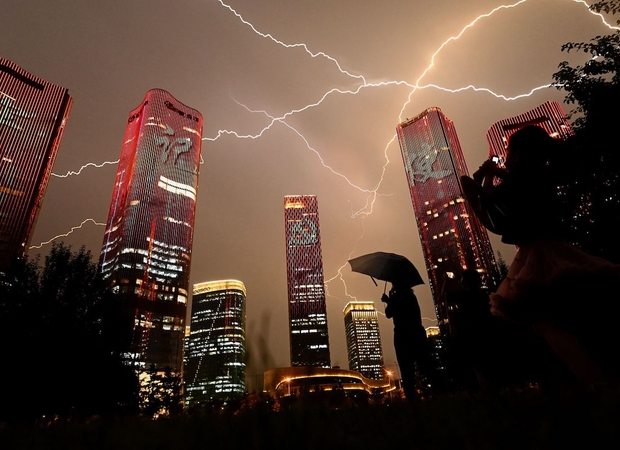
The CCP’s Culture of Fear
from New York Review of Books
One way to measure China’s urge to transform itself is to note how often the word new has been used by Chinese leaders. In 1902, the concept of the “new citizen” took hold in Liang Qichao’s New Citizen Journal. 20 years later, the May Fourth...
Viewpoint
09.23.21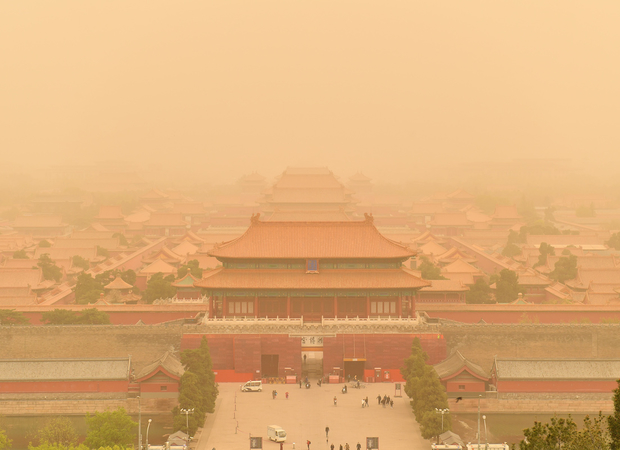
‘China’s Search for a Modern Identity Has Entered a New and Perilous Phase’
In 1980, writing the last paragraph of the last chapter of Coming Alive: China After Mao, I declared that China was moving “from totalitarian tyranny to a system more humane, part of a struggle by this nation to free itself from a straitjacket woven...
Viewpoint
09.09.21
A Farewell to My Students
Xu Zhangrun addresses this letter to the students and young scholars who participated in “The Three Talents Salon” which Xu founded in 2003, a biannual symposium devoted to fostering “three talents” or skills in the participants: in-depth reading,...
Viewpoint
05.14.21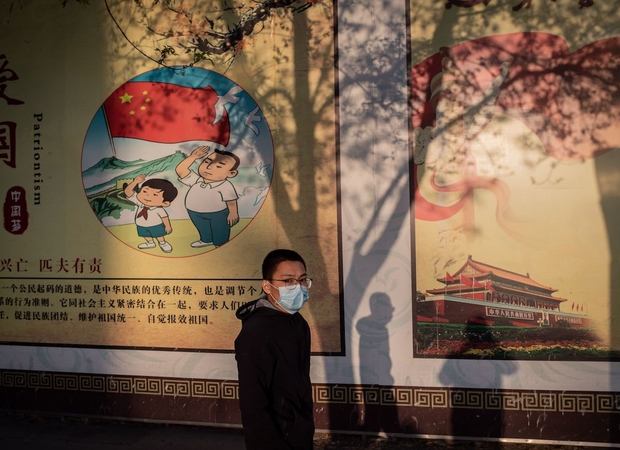
Ahead of Its Centennial, the Chinese Communist Party Frets Over Unsanctioned Takes on Its History
On July 1, the Chinese Communist Party will commemorate its founding in Shanghai one hundred years ago. Unsurprisingly, Beijing is leaving no stone unturned to ensure that nothing untoward takes place in the run-up to the great day. On April 9, the...
The NYRB China Archive
11.19.20
China’s Clampdown on Hong Kong
from New York Review of Books
Hong Kongers demonstrated about everything from the removal of hawkers selling fish balls during the Chinese New Year to fare increases on mass transit (which had also provoked protests under British rule). But mostly they have demonstrated against...
Viewpoint
09.10.20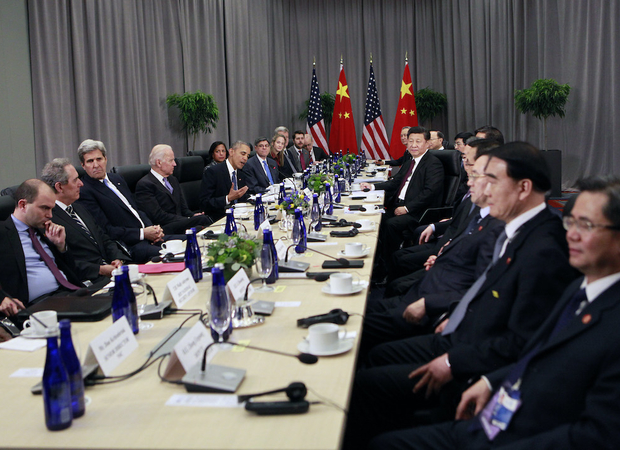
In Defense of Diplomacy with China
Critics of the last four decades of China policy have incorrectly and simplistically labeled diplomacy a failure because the People’s Republic did not become a liberal democracy. That was never the goal or an achievable objective of U.S. policy. The...
Viewpoint
07.27.20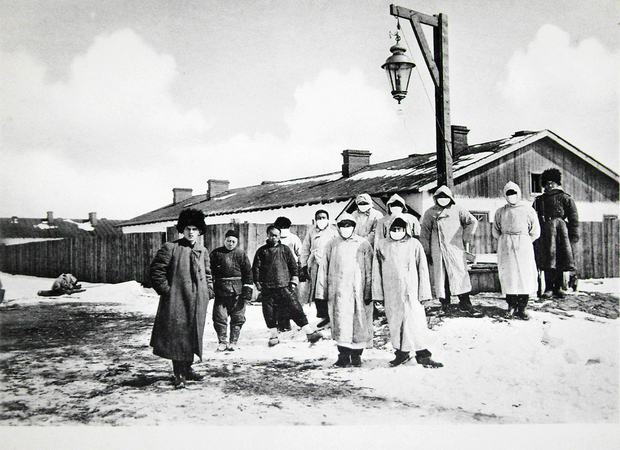
Pandemic Responses Suffer from Common Ailments
As the world continues to reel from the COVID-19 pandemic, the onslaught of new developments, disrupted routines, and fast-evolving medical research and advice trap us in a kind of eternal present. Each day feels unprecedented. But, at least since...
Conversation
07.21.20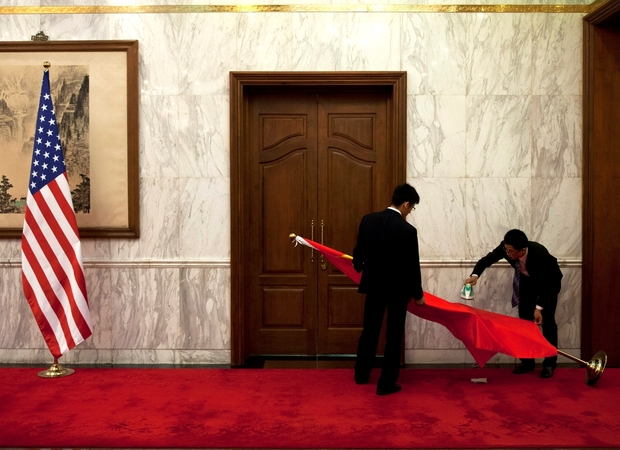
Is There a Future for Values-Based Engagement with China?
A key feature of current debates over U.S.-China relations is the proposition that “engagement failed,” in light of the Chinese government’s increasingly aggressive posture towards liberal values at home and on the world stage. Already on the...
Viewpoint
07.02.20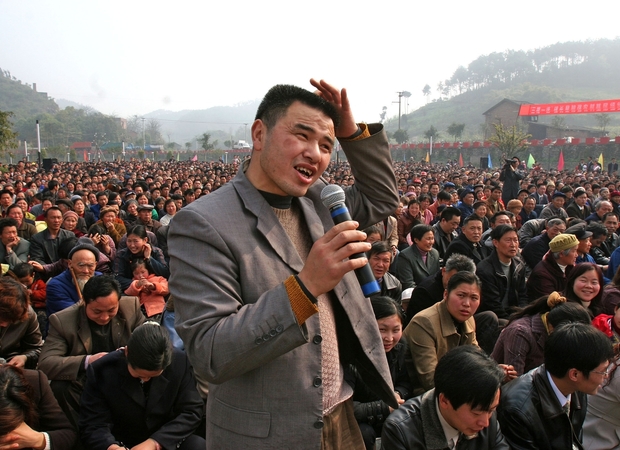
It’s True That Democracy in China Is in Retreat, But Don’t Give up on It Now
China’s popularity in the world is plummeting, and antagonism between China and the United States is growing. Many blame China for allowing a series of new viruses to emerge, for failing to stop COVID-19 when it first appeared, and for not sharing...
Conversation
06.30.20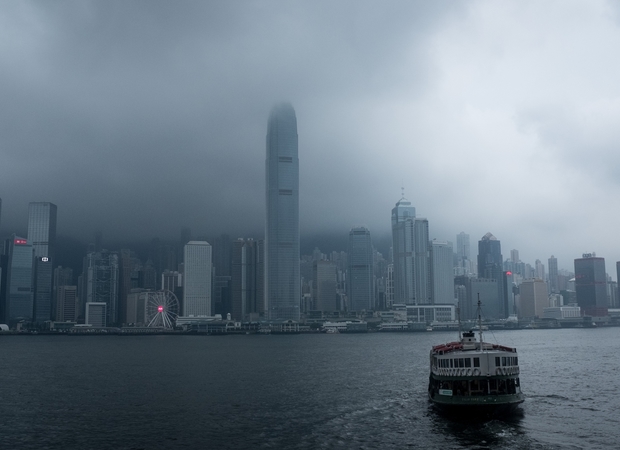
How Should Democracies Respond to China’s New National Security Law for Hong Kong?
July 1 will mark 23 years since Hong Kong’s return to Chinese sovereignty. Each of those years—and many that preceded them—has seen its share of disquiet over the future of the territory’s way of life and about the resilience of “one country, two...
Viewpoint
06.10.20
For Me, the Breakdown in U.S.-China Relations Is Personal
In my childhood, they were the Red Chinese. In my husband’s upbringing, we were the American imperialists. U.S.-China reconciliation after ping-pong diplomacy enabled us to meet and marry 40 years ago. Those of us with a foot in each world find the...
Viewpoint
05.21.20
How Will Historians Look Back at the Coronavirus Outbreak?
Imagine that a historian decides to reflect on the pandemic, asking quite simply, “How did it come to this?” There would be many ways of telling that story. But one way would be to chart a series of off-ramps on the road to disaster. Some of these...
Conversation
05.19.20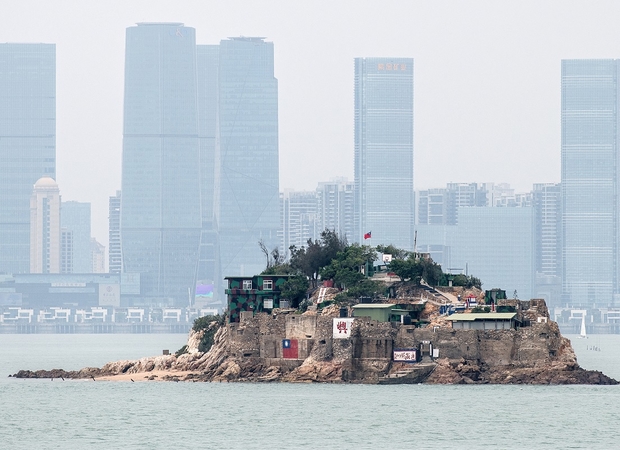
What Are the Right and the Wrong Ways for the U.S. to Support Taiwan?
What are the right and wrong ways for the U.S. to support Taiwan? Traditionally, America’s goals have been to deter the mainland from aggression and coercion, support Taiwan’s democratic system, strengthen economic ties, and help it maintain...
The NYRB China Archive
03.26.20
The Flowers Blooming in the Dark
from New York Review of Books
It’s possible to identify another period that might surpass the 1980s as China’s most open: a 10-year stretch beginning around the turn of this century, when a rich debate erupted over what lay ahead. As in the past, many of those speaking out were...
Books
03.24.20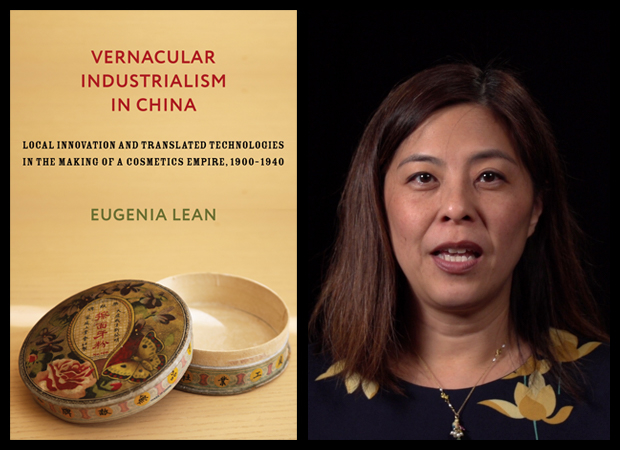
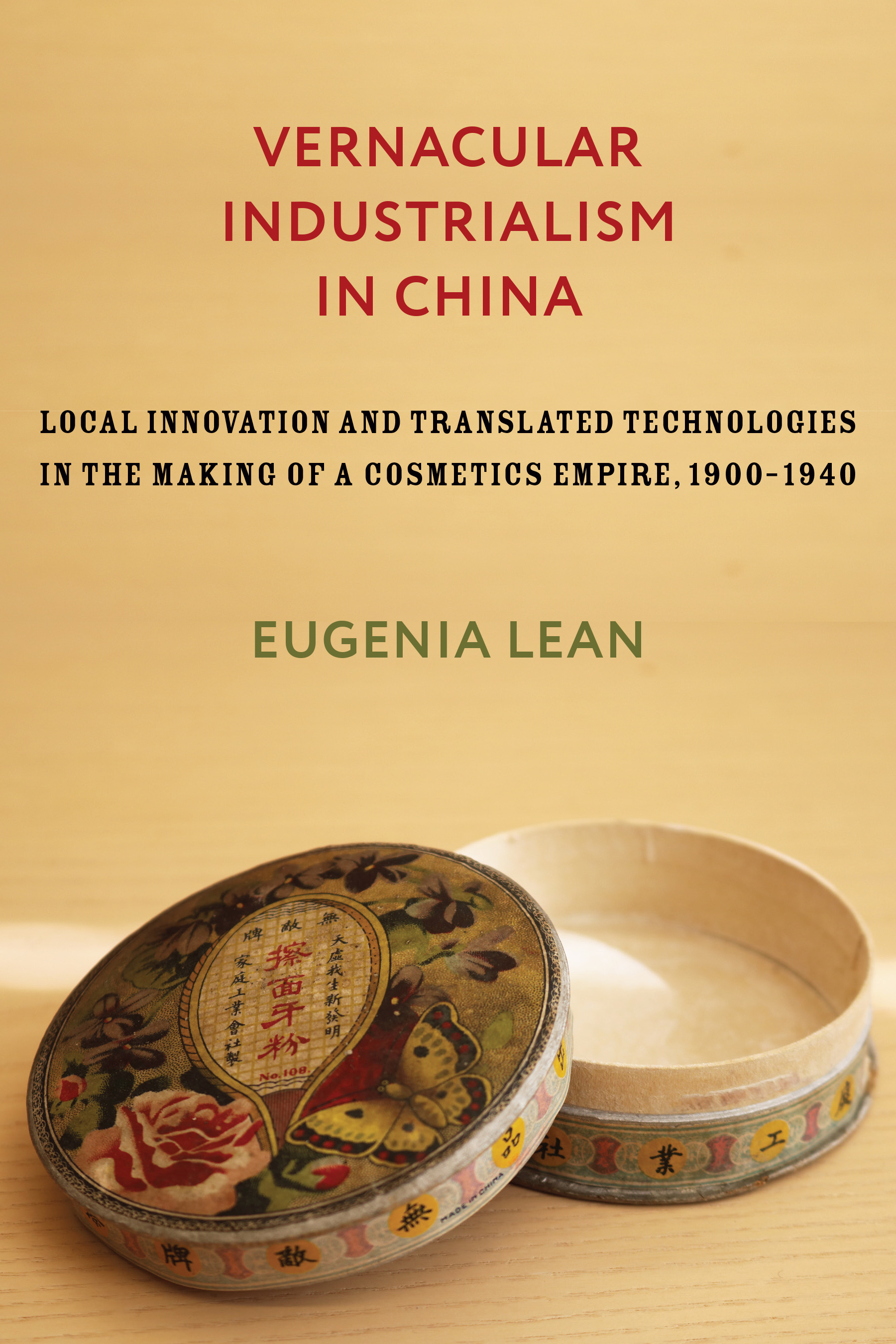
Vernacular Industrialism in China
Columbia University Press: In early 20th-century China, Chen Diexian (1879-1940) was a maverick entrepreneur—at once a prolific man of letters, captain of industry, magazine editor, and cosmetics magnate. He tinkered with chemistry in his private studio, used local cuttlefish to source magnesium carbonate, and published manufacturing tips in how-to columns. In a rapidly changing society, Chen copied foreign technologies and translated manufacturing processes from abroad to produce adaptations of global commodities that bested foreign brands. Engaging in the worlds of journalism, industry, and commerce, he drew on literati practices associated with late-imperial elites but deployed them in novel ways within a culture of educated tinkering that generated industrial innovation.Through the lens of Chen’s career, Eugenia Lean explores how unlikely individuals devised unconventional, homegrown approaches to industry and science in early 20th-century China. She contends that Chen’s activities exemplify “vernacular industrialism,” the pursuit of industry and science outside of conventional venues, often involving ad hoc forms of knowledge and material work. Lean shows how vernacular industrialists accessed worldwide circuits of law and science and experimented with local and global processes of manufacturing to navigate, innovate, and compete in global capitalism. In doing so, they presaged the approach that has helped fuel China’s economic ascent in the 21st century. Rather than conventional narratives that depict China as belatedly borrowing from Western technology, Vernacular Industrialism in China offers a new understanding of industrialization, going beyond material factors to show the central role of culture and knowledge production in technological and industrial change.{chop}
Viewpoint
02.26.20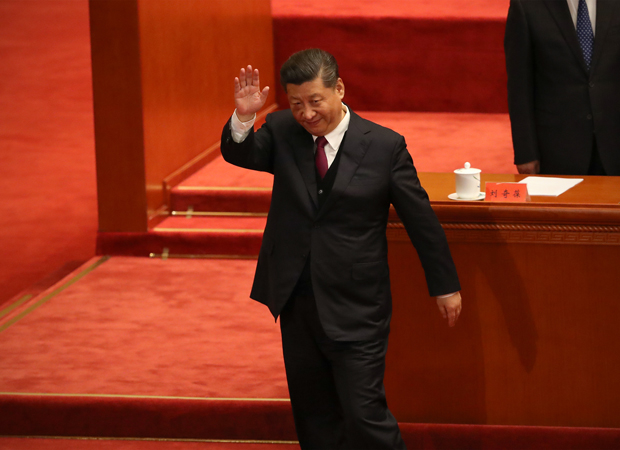
Dear Chairman Xi, It’s Time for You to Go
In this open letter, the author urges Xi Jinping to step down. Xu Zhiyong went into hiding in late 2019. The following open letter, which was released on 4 February 4, 2020, was written while he was on the run. On February 15, Xu was detained in the...
Books
02.18.20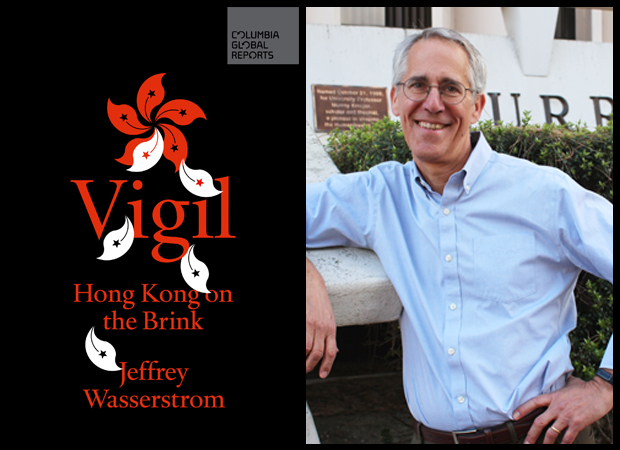
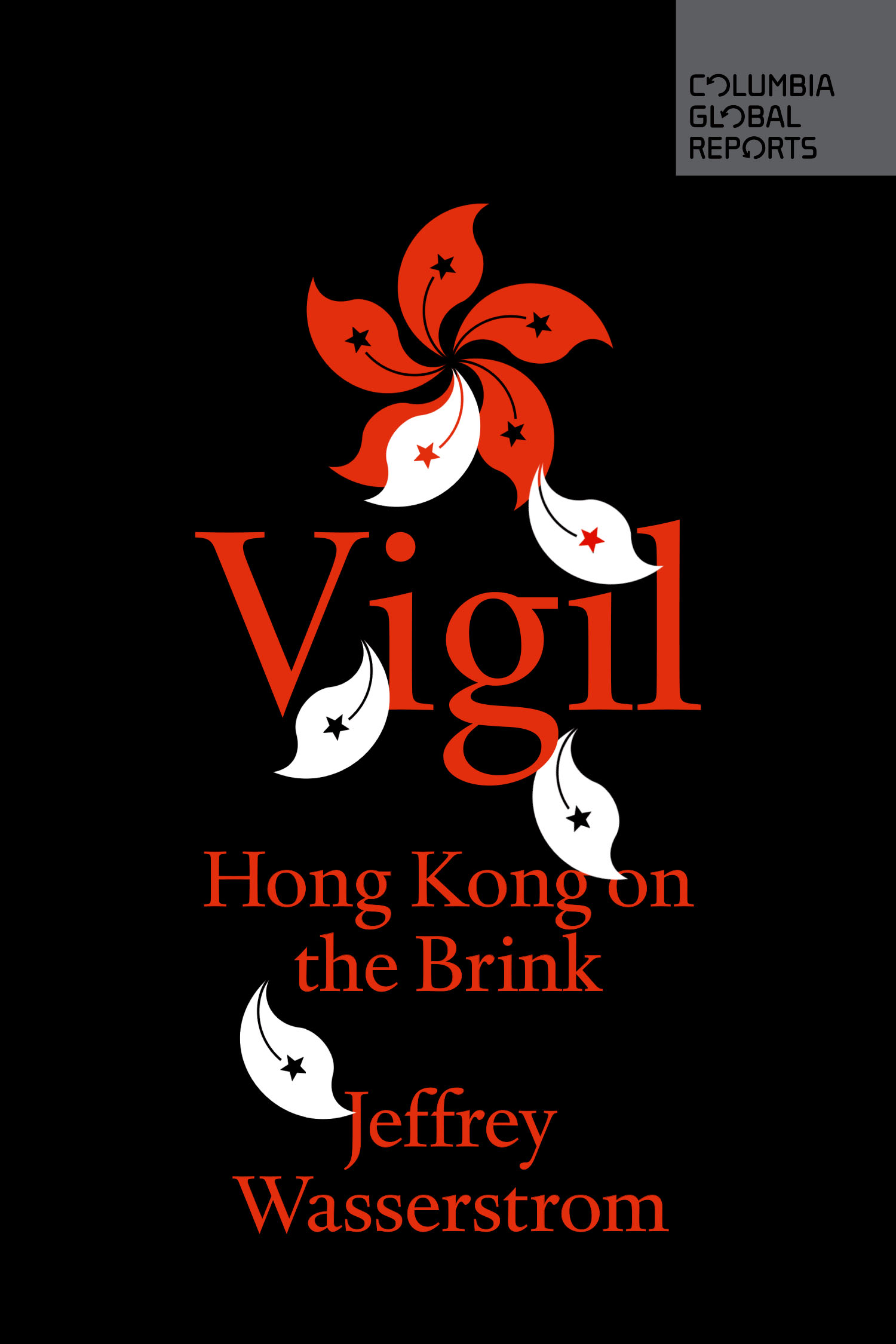
Vigil
Columbia Global Reports: The rise of Hong Kong is the story of a miraculous post-war boom, when Chinese refugees flocked to a small British colony, and, in less than 50 years, transformed it into one of the great financial centers of the world. The unraveling of Hong Kong, on the other hand, shatters the grand illusion of China ever having the intention of allowing democratic norms to take root inside its borders. Hong Kong’s people were subjects of the British Empire for more than a hundred years, and now seem destined to remain the subordinates of today’s greatest rising power.But although we are witnessing the death of Hong Kong as we know it, this is also the story of the biggest challenge to China’s authoritarianism in 30 years. Activists who are passionately committed to defending the special qualities of a home they love are fighting against Beijing’s crafty efforts to bring the city into its fold—of making it a centerpiece of its “Greater Bay Area” megalopolis.Jeffrey Wasserstrom draws on his many visits to the city, and knowledge of the history of repression and resistance, to help us understand the deep roots and the broad significance of the events we see unfolding day by day in Hong Kong. The result is a riveting tale of tragedy but also heroism—one of the great David-versus-Goliath battles of our time, pitting determined street protesters against the intransigence of Xi Jinping, the most ambitious leader of China since the days of Mao.{chop}
Conversation
02.09.20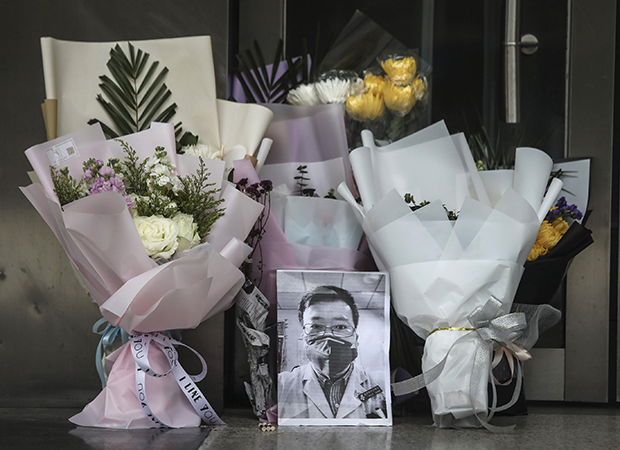
Public Anger Over Coronavirus Is Mounting. Will It Matter?
The coronavirus outbreak that exploded three weeks ago in the central Chinese city of Wuhan has prompted the most severe government actions in three decades. Cities are closed down, transport links broken, and tens of millions of people effectively...
Depth of Field
12.31.19
‘Nowhere to Dock’
from Yuanjin Photo
In 2019, Depth of Field showcased stories covering a range of topics: Shi Yangkun’s nostaglic exploration of China’s last collective villages, Zhu Lingyu’s careful and artisitic portrayal of survivors of sexual violence, and cities seen through the...
Books
12.16.19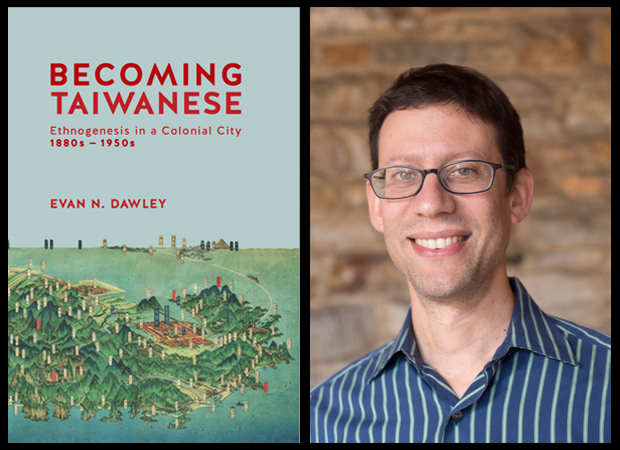
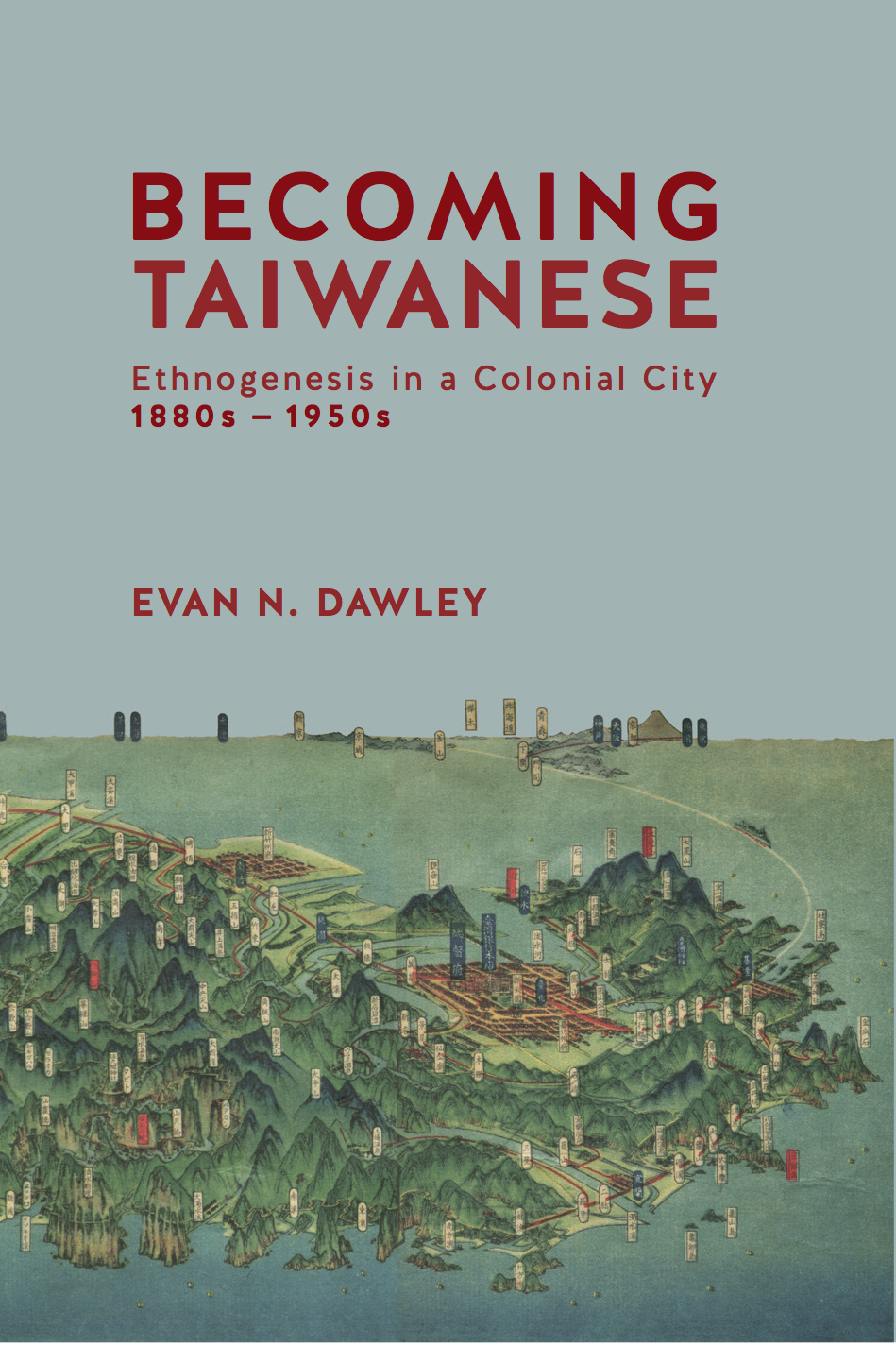
Becoming Taiwanese
Havard University Press: What does it mean to be Taiwanese? This question sits at the heart of Taiwan’s modern history and its place in the world. In contrast to the prevailing scholarly focus on Taiwan after 1987, Becoming Taiwanese examines the important first era in the history of Taiwanese identity construction during the early 20th century, in the place that served as the crucible for the formation of new identities: the northern port city of Jilong (Keelung).Part colonial urban social history, part exploration of the relationship between modern ethnicity and nationalism, Becoming Taiwanese offers new insights into ethnic identity formation. Evan Dawley examines how people from China’s southeastern coast became rooted in Taiwan; how the transfer to Japanese colonial rule established new contexts and relationships that promoted the formation of distinct urban, ethnic, and national identities; and how the so-called retrocession to China replicated earlier patterns and reinforced those same identities. Becoming Taiwanese is based on original research in Taiwan and Japan, and focuses on the settings and practices of social organizations, religion, and social welfare, as well as the local elites who served as community gatekeepers.{chop}
China in the World Podcast
12.11.19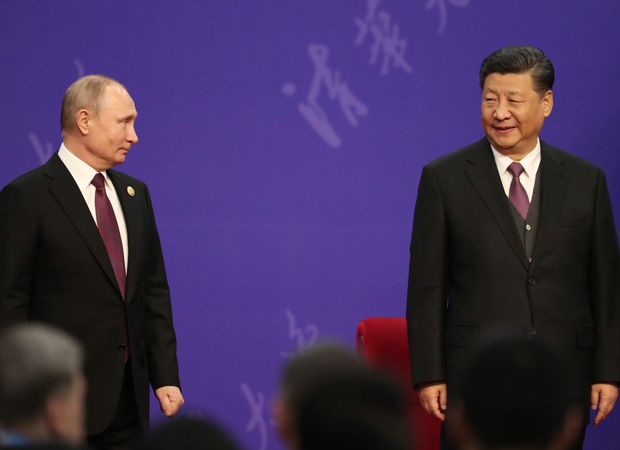
Are China and Russia Getting Too Close for Comfort?
from Carnegie China
Discussion of U.S.-China-Russia relations often focuses on how American policy is driving Moscow and Beijing closer together. This analysis, however, ignores important factors limiting cooperation between China and Russia and preventing the two...
Books
10.31.19
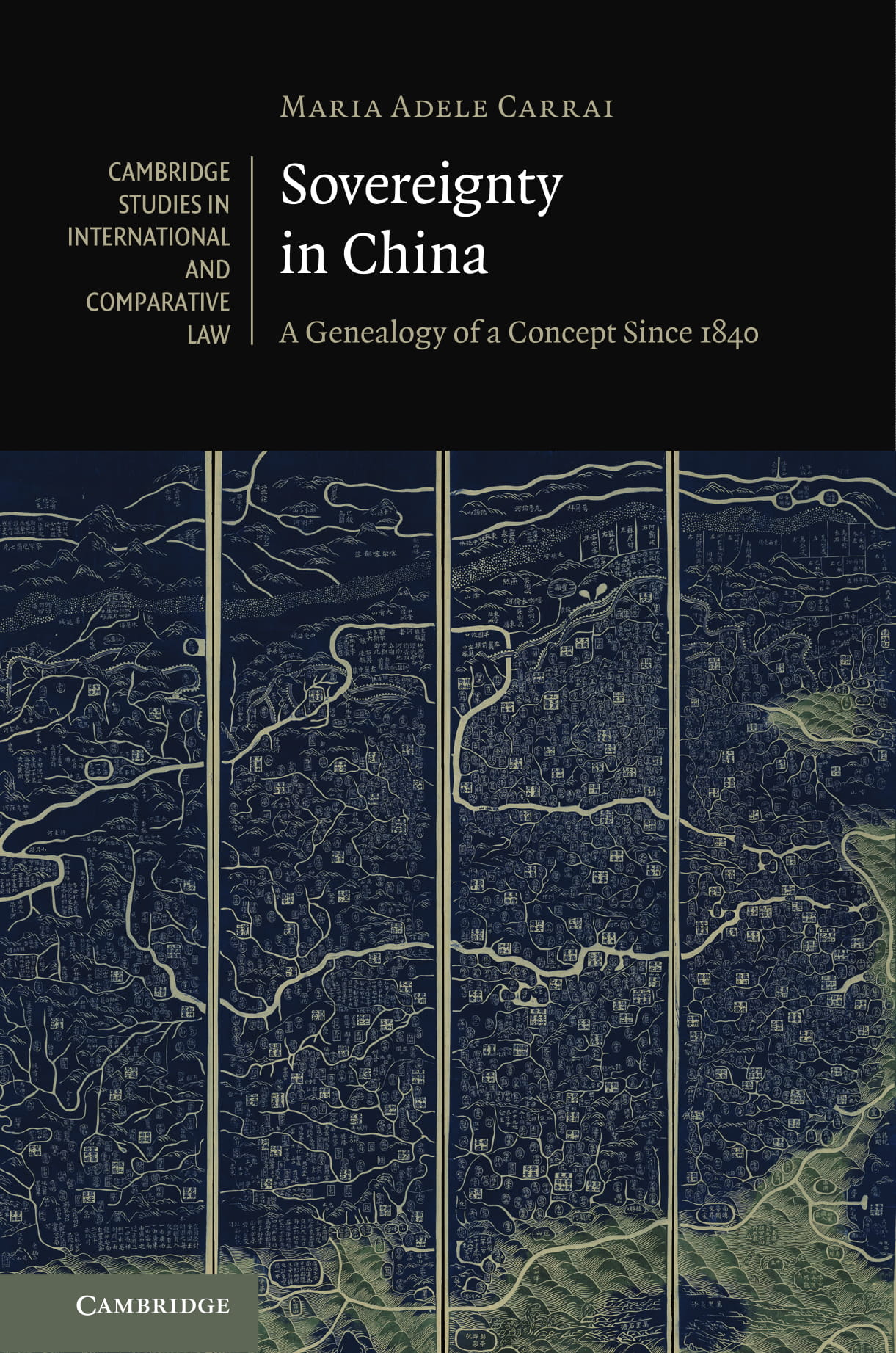
Sovereignty in China
Cambridge University Press: This book provides a comprehensive history of the emergence and formation of the concept of sovereignty in China from 1840 to the present. It contributes to broadening the history of modern China by looking at the way the notion of sovereignty was gradually articulated by key Chinese intellectuals, diplomats, and political figures in the unfolding of the history of international law in China, rehabilitates Chinese agency, and shows how China challenged Western Eurocentric assumptions about the progress of international law. It puts the history of international law in a global perspective, interrogating the widely-held belief of international law as universal order, and exploring the ways in which its history is closely anchored to a European experience that fails to take into account how the encounter with other non-European realities has influenced its formation.{chop}
The NYRB China Archive
10.24.19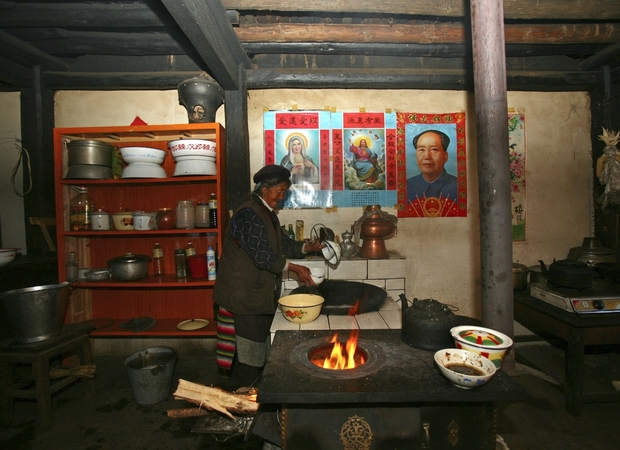
The Eastern Jesus
from New York Review of Books
Over the past few years, the authorities in Beijing have given churches across the country orders to “Sinicize” their faith. According to detailed five-year plans formulated by both Catholic and Protestant organizations, much of this process...
Conversation
10.04.19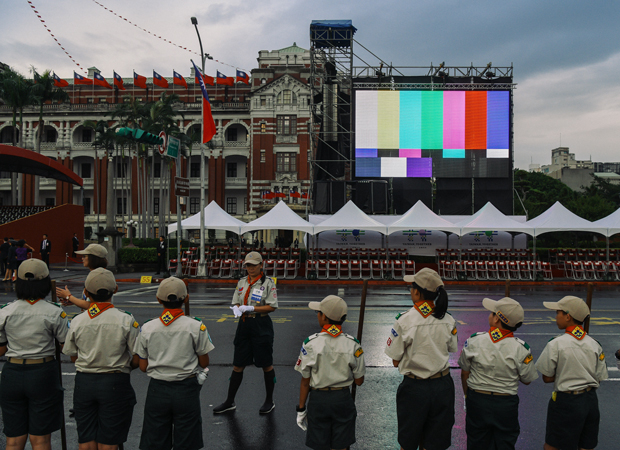
Taiwan Is Losing Allies. What Should Taipei (and D.C.) Do?
In a single week in September, the two Pacific nations of Kiribati and the Solomon Islands both switched their diplomatic recognition from Taiwan to Beijing, reducing the number of countries that still recognize Taiwan to 14 (and the Vatican)...
Viewpoint
09.28.19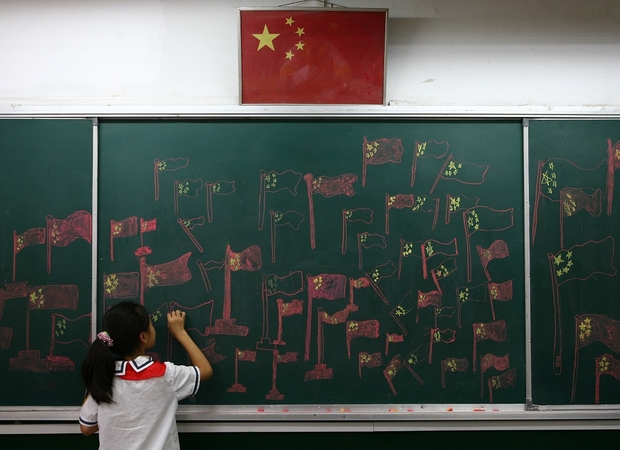
A Birthday Letter to the People’s Republic
Dear People’s Republic, Or should I call you, China? I am writing to you on the eve of your 70th birthday. 70, what an age. “For a man to live to 70 has been rare since ancient times,” the poet Du Fu wrote in the eighth century. You have outlived...
Viewpoint
09.18.19
Beyond Hawks and Doves
Two recent documents—as well as the critiques they have elicited—furnish the basis for a more nuanced debate on U.S. policy towards China. First, on July 4, a group of roughly 100 figures from the policy, military, business, and academic communities...
Books
09.17.19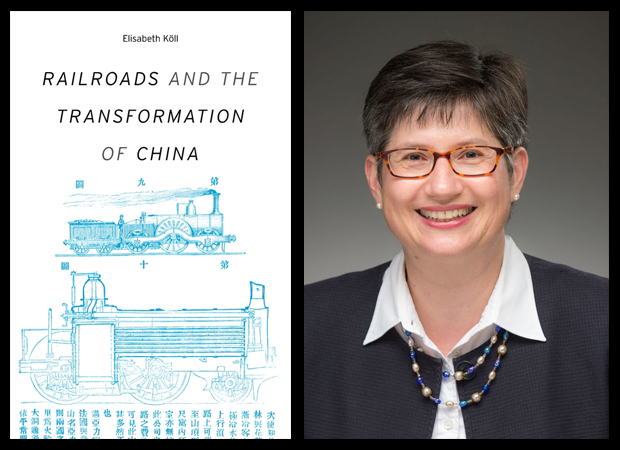
Railroads and the Transformation of China
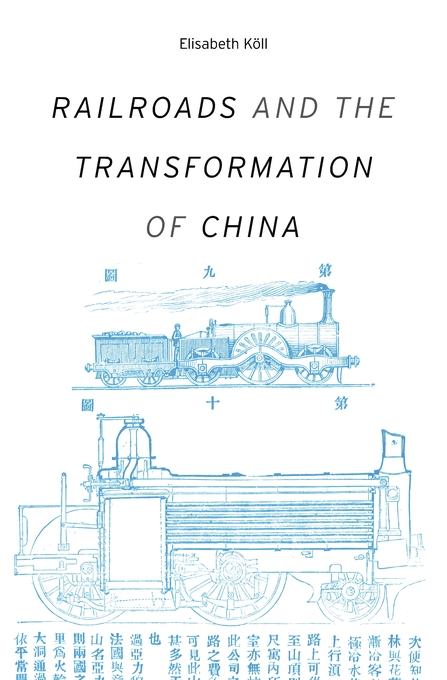
Harvard University Press: As a vehicle to convey both the history of modern China and the complex forces still driving the nation’s economic success, rail has no equal. Railroads and the Transformation of China is the first comprehensive history, in any language, of railroad operation from the last decades of the Qing Empire to the present.China’s first fractured lines were built under semicolonial conditions by competing foreign investors. The national system that began taking shape in the 1910s suffered all the ills of the country at large: warlordism and Japanese invasion, Chinese partisan sabotage, the Great Leap Forward when lines suffered in the “battle for steel,” and the Cultural Revolution, during which Red Guards were granted free passage to “make revolution” across the country, nearly collapsing the system. Elisabeth Köll’s expansive study shows how railroads survived the rupture of the 1949 Communist revolution and became an enduring model of Chinese infrastructure expansion.The railroads persisted because they were exemplary bureaucratic institutions. Through detailed archival research and interviews, Köll builds case studies illuminating the strength of rail administration. Pragmatic management, combining central authority and local autonomy, sustained rail organizations amid shifting political and economic priorities. As Köll shows, rail provided a blueprint for the past 40 years of ambitious, semipublic business development and remains an essential component of the People’s Republic of China’s politically charged, technocratic economic model for China’s future.{chop}
Excerpts
07.31.19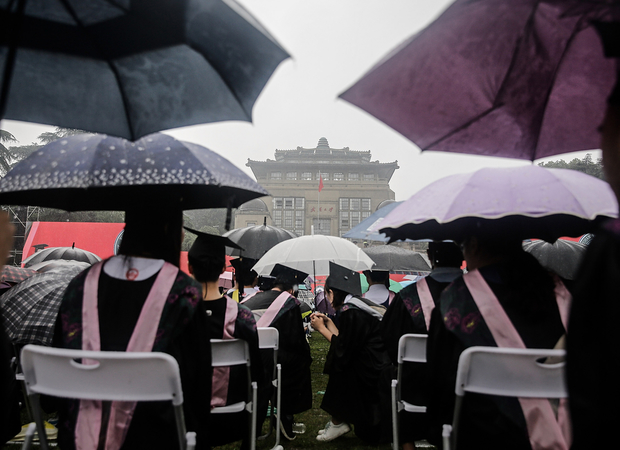
What Role Will Intellectuals Play in China’s Future?
As we commemorate the thirtieth anniversary of China’s 1989 democracy movement, it is hard to imagine students and intellectuals playing a similar role today. In China’s highly marketized and politically controlled society, the space for...
The NYRB China Archive
07.13.19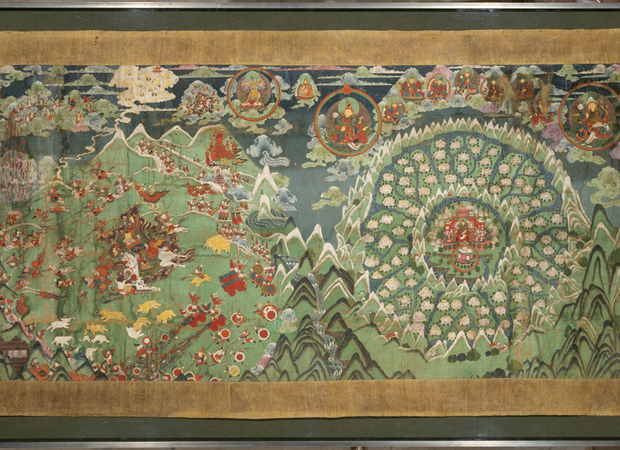
A Radical Realist View of Tibetan Buddhism at the Rubin
from New York Review of Books
For many, Buddhism is “a religion of peace” and its adaptation for political purposes, even to inspire violence, feels flat-out wrong. That makes the exhibition at the Rubin Museum of Art, “Faith and Empire: Art and Politics in Tibetan Buddhism,” an...
Books
07.09.19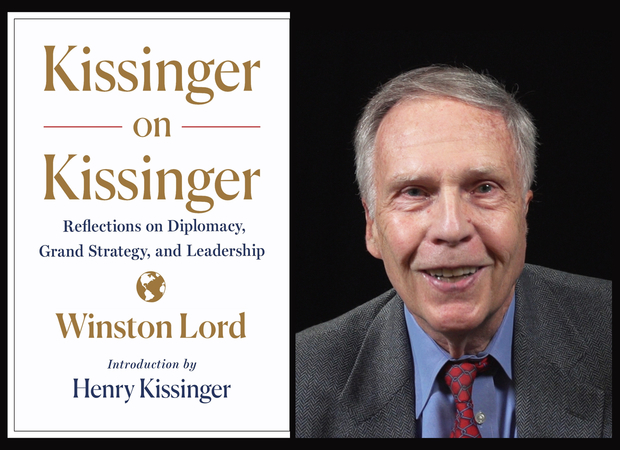
Kissinger on Kissinger
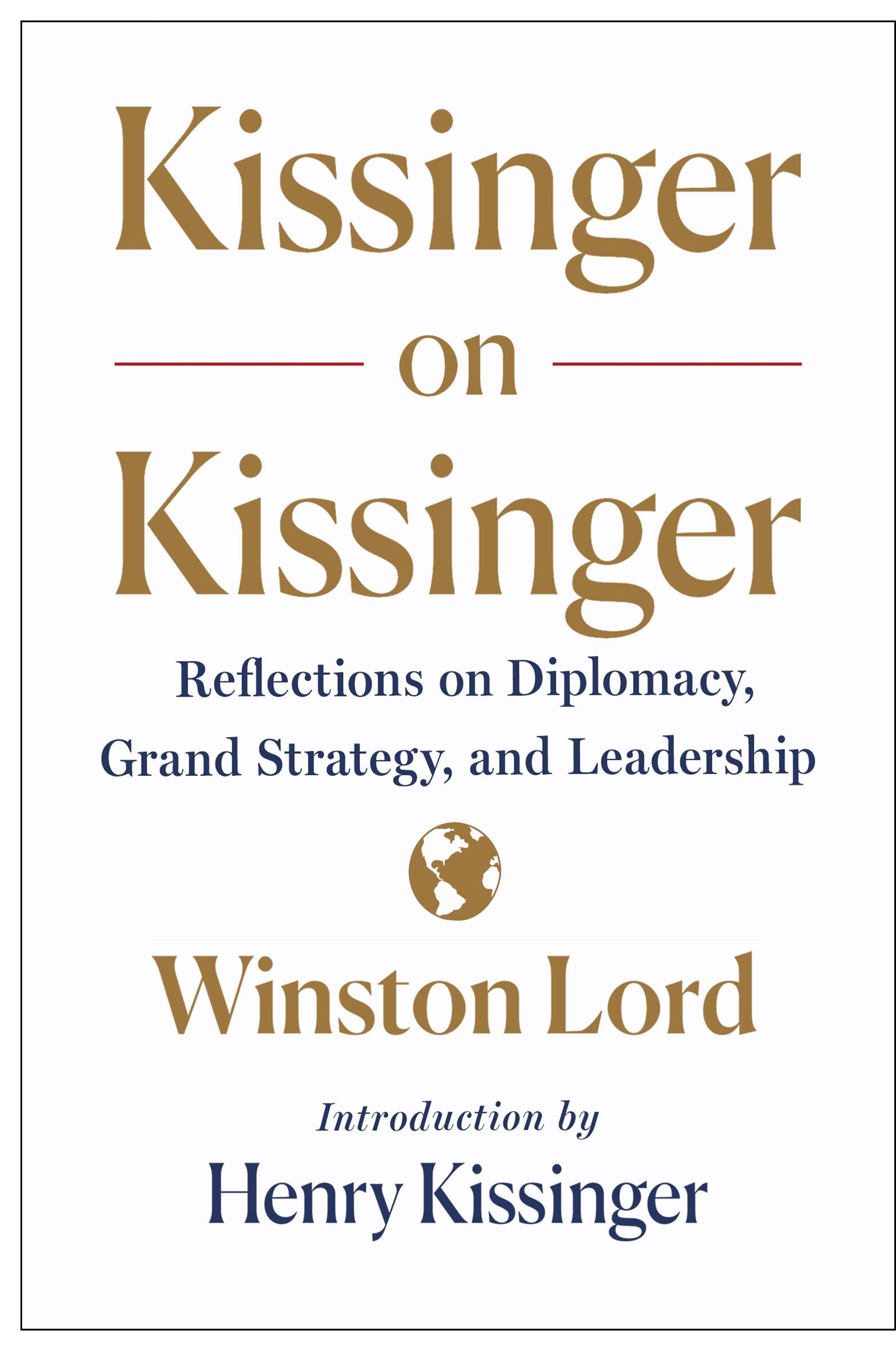
St. Martin’s Press: As National Security Advisor to Richard Nixon, Henry Kissinger transformed America’s approach to diplomacy with China, the USSR, Vietnam, and the Middle East, laying the foundations for geopolitics as we know them today.Nearly 50 years later, escalating tensions between the U.S., China, and Russia are threatening a swift return to the same diplomatic game of tug-of-war that Kissinger played so masterfully. Kissinger on Kissinger is a series of faithfully transcribed interviews conducted by the elder statesman’s longtime associate, Winston Lord, which captures Kissinger’s thoughts on the specific challenges that he faced during his tenure as the National Security Agency, his general advice on leadership and international relations, and stunning portraits of the larger-than-life world leaders of the era. The result is a frank and well-informed overview of U.S. foreign policy in the first half of the 1970s.{chop}
Conversation
07.08.19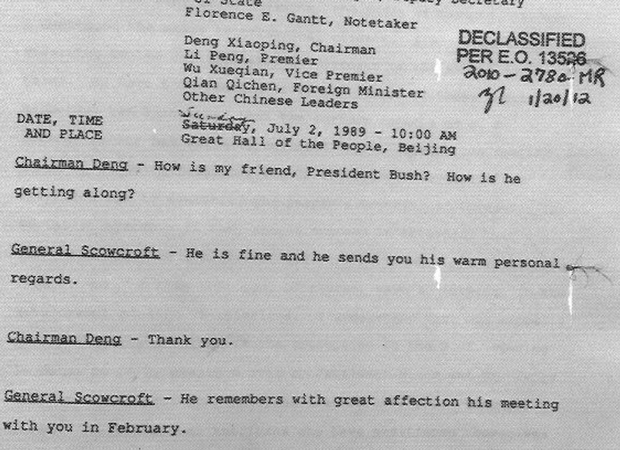
The Other Tiananmen Papers
In the wake of the lethal use of force by China’s military against demonstrators in Tiananmen Square and citizens of Beijing on June 4, 1989, the United States and other governments were confronted with a series of vexing moral and policy questions...
The NYRB China Archive
06.27.19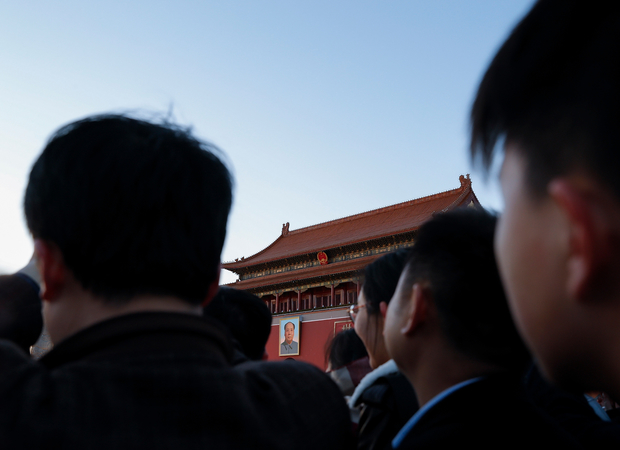
China’s ‘Black Week-end’
from New York Review of Books
When Chinese law professor Xu Zhangrun began publishing articles last year criticizing the government’s turn toward a harsher variety of authoritarianism, it seemed inevitable that he would be swiftly silenced. But then, remarkably, dozens of...
Conversation
06.19.19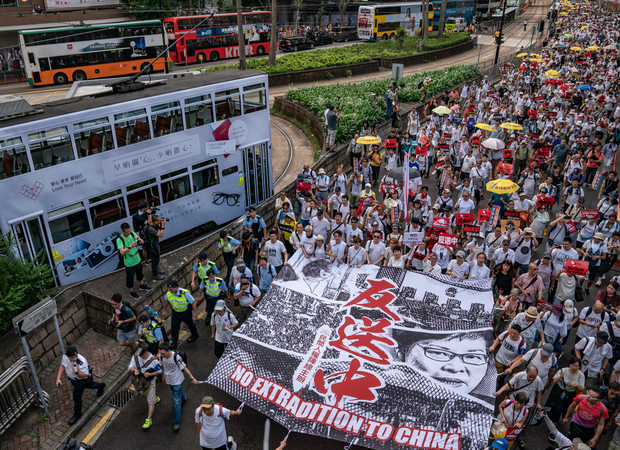
Hong Kong in Protest
On June 16, an estimated 2 million people took to the streets to protest the Hong Kong government’s handling of a proposed extradition bill. This followed two massive demonstrations against the bill earlier in the month, including one where police...
Viewpoint
06.19.19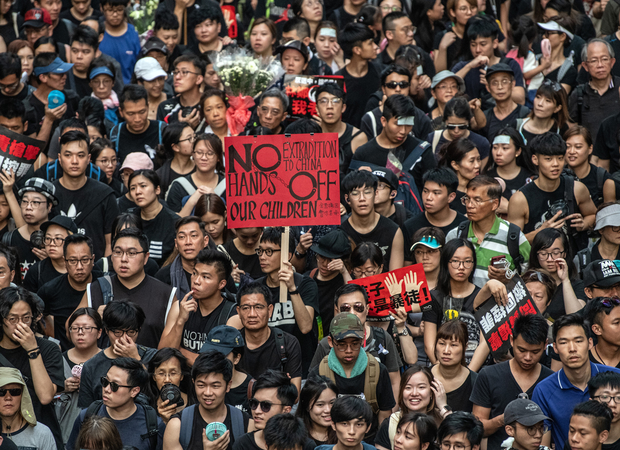
What Does the Pause of Hong Kong’s Extradition Bill Mean?
The Hong Kong people’s historic mass protests during the past 10 days have demonstrated their awareness that the now suspended extradition bill proposed by Chief Executive Carrie Lam represented a threat to Hong Kong’s promised “high degree of...
Media
06.11.19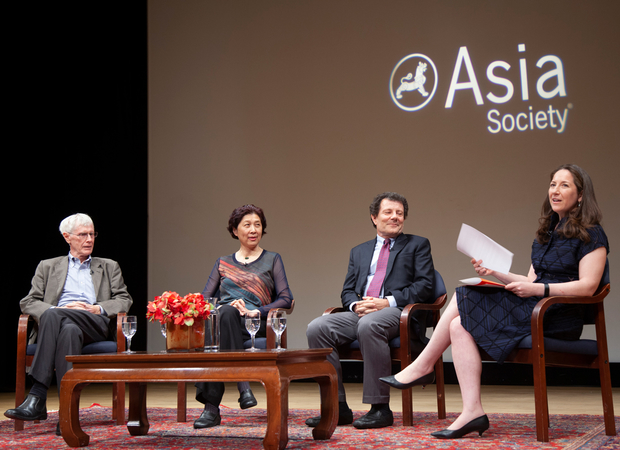
ChinaFile Presents: Erasing History—Why Remember Tiananmen
On the evening of June 3, ChinaFile hosted a discussion on the Chinese government’s efforts to control, manipulate, and forestall remembrance of the Tiananmen Square protests of 1989 and the bloody crackdown that ended them. Participating in the...
Viewpoint
06.04.19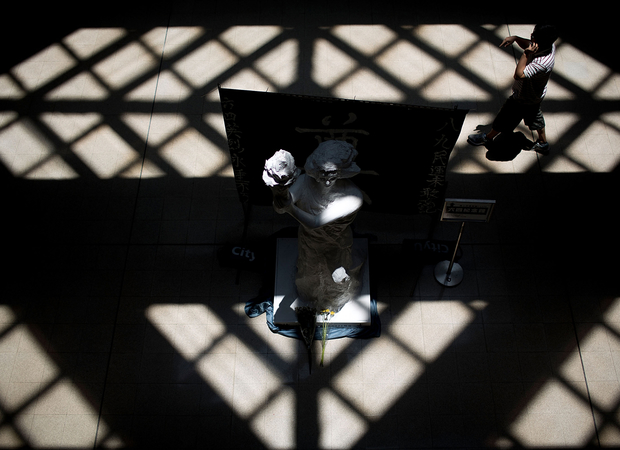
Is Hong Kong Forgetting to Remember June Fourth?
In sharp contrast to anywhere else in China, Hong Kong has stood as a steadfast stronghold of remembrance of the massacre, protected by the territory’s political system that guarantees freedoms of assembly and expression. Every June 4, the...
Conversation
06.03.19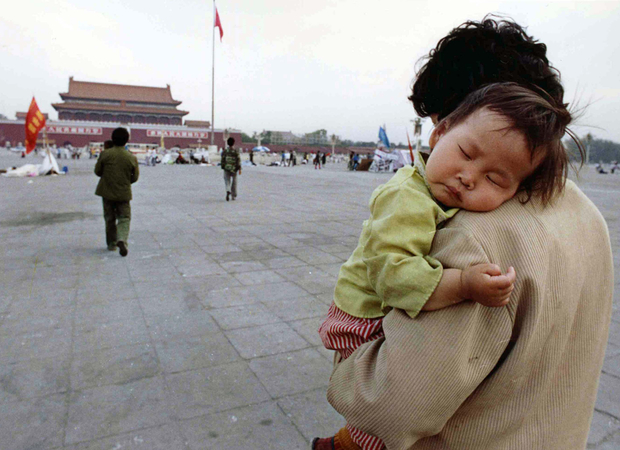
How I Learned About Tiananmen
In April, ChinaFile put out a call for young people who grew up in China to describe how they first learned about the Tiananmen Square protests and massacre, and how they felt about it. Here is a selection of the responses we received, including...
Media
06.03.19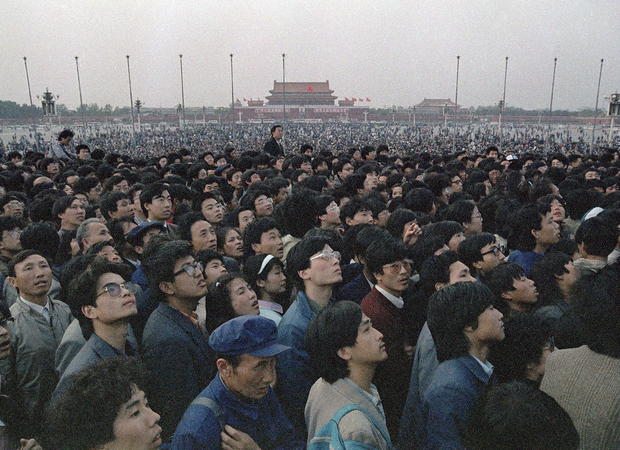
Six Questions and Four Articles About Tiananmen Square
Why can’t we banish history from our memories? The author Ling Zhijun titled his 2008 exploration of Mao Zedong’s disastrous people’s communes “History No Longer Lingers,” and it sometimes feels counterintuitive that we cannot forget past tragedies...
Postcard
05.30.19
Four Is Forbidden
Liusi. Six-four. The two-syllable word, spoken nonchalantly by our teacher, was a stone cast into the tranquil pond of a classroom. From each ripple rose a gasp, a murmur, or a perplexed face, with only one or two enunciating the question on many of...