Mother Jones

Publication Logo Vertical: 
Publication Logo Header: 

From their website:

Mother Jones is a reader-supported nonprofit news organization. We do independent and investigative reporting on everything from politics and climate change to education and food (plus cat blogging). Some 9 million people come to this site each month. We also publish an award-winning, 200,000-circulation magazine, we just launched a new podcast, and you can follow us on Facebook and Twitter.

We are headquartered in San Francisco and have bureaus in Washington, DC, and New York City. We don't answer to stockholders, a corporate parent company, or a deep-pocketed donor. Instead we're accountable to, and funded by, you—our readers.

You may want to learn more about donating to Mother Jones, advertising with us, or managing your subscription. We've tried to answer a lot of your questions below. Or maybe words aren't your thing, so here's a short video to give you some more background.
What Should Obama and Xi Accomplish at Their California Summit?

A ChinaFile Conversation

Susan Shirk:

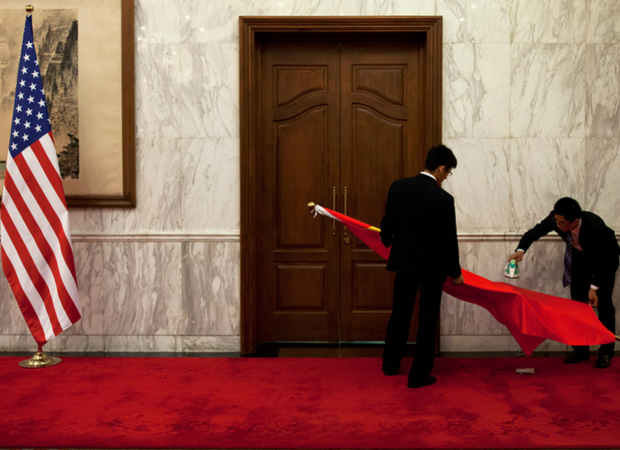
It’s an excellent idea for President Obama and President Xi to spend two days of quality time together at a private retreat in Southern California. Past meetings between Chinese and American presidents have been too short, formal and scripted for them to develop a genuine personal relationship and understand one another’s real intentions. Vice President Joe Biden and then-Vice-President Xi connected well when they spent almost two weeks traveling together and meeting the public first in China and then in the U.S.

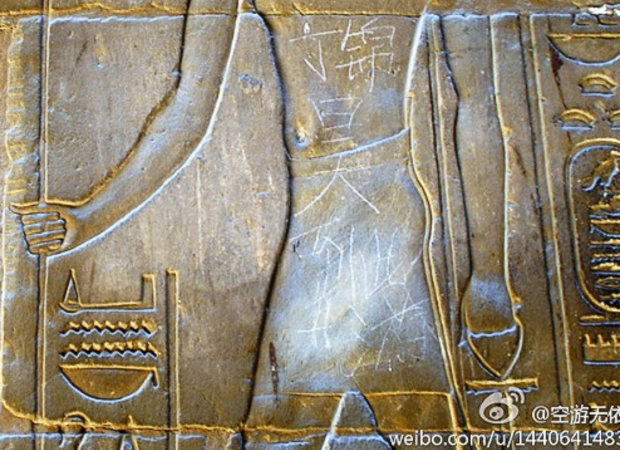
The Graffiti Seen ‘Round the World

Rachel Lu on Public Radio International

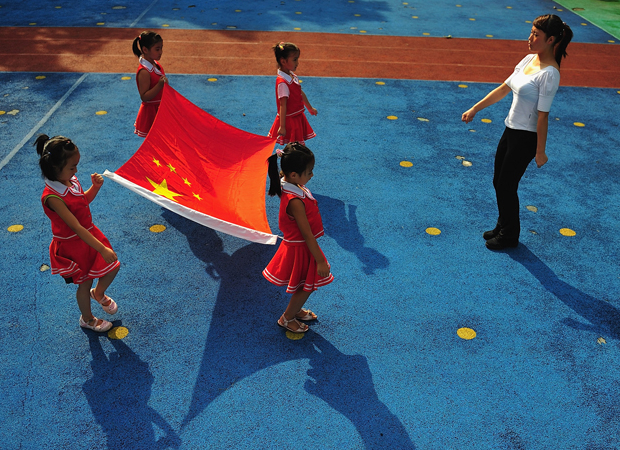
It’s tourist season the world over: let the shenanigans begin. After a young Chinese tourist’s defacement of an ancient Egyptian temple was photographed and shared online, the harsh backlash has gone viral in China’s blogosphere. Tea Leaf Nation Founding Editor Rachel Lu joined Public Radio International’s The World from Hong Kong to discuss the issue with anchor Marco Werman. Listen to the interview below.

Every Thousand Years

An Excerpt from “Unsavory Elements: Stories of Foreigners on the Loose in China”

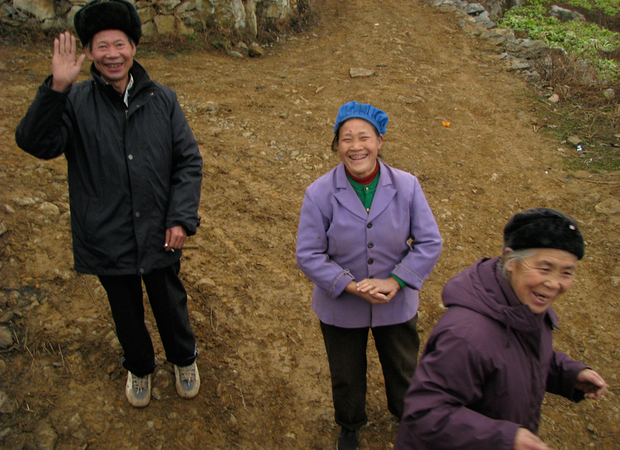
There are no guardrails on the road to Qixin. And there is only one other way to the top of the mountain—a four-hour hike. It was February, and the ice and snow from Guizhou’s winter storms had recently melted, leaving the famously treacherous cliff-side dirt road even more rutted and muddy than normal. But it was passable, by local standards at least, for the first time in weeks. And so we stood in the bed of the dump truck, gripping the rails tight, bracing our bodies as the vehicle lurched back and forth like a rowboat in rough water.

Stumbling Giant

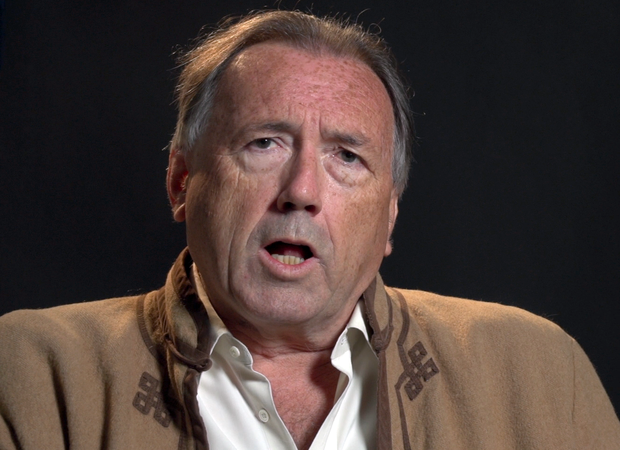
While dozens of recent books and articles have predicted the near-certainty of China’s rise to global supremacy, this book boldly counters such widely-held assumptions. Timothy Beardson brings to light the daunting array of challenges that today confront China, as well as the inadequacy of the policy responses. Threats to China come on many fronts, Beardson shows, and by their number and sheer weight these problems will thwart any ambition to become the world’s “Number One Power.”

Drawing on extensive research and experience living and working in Asia over the last 35 years, the author spells out China’s situation: an inexorable demographic future of a shrinking labor force, relentless aging, extreme gender disparity, and even a falling population. Also, the nation faces social instability, a devastated environment, a predominantly low-tech economy with inadequate innovation, the absence of an effective welfare safety net, an ossified governance structure, and radical Islam lurking at the borders. Beardson’s nuanced, first-hand look at China acknowledges its historic achievements while tempering predictions of its imminent hegemony with a no-nonsense dose of reality. —Yale University Press