


In China, Power Is Arrogant
on May 17, 2013
The wacky and arbitrary nature of some rules, regulations and laws imposed by the local and national governments recently demonstrates the arrogance of power in China.
The wacky and arbitrary nature of some rules, regulations and laws imposed by the local and national governments recently demonstrates the arrogance of power in China.
China took a modest step into Middle East diplomacy early May 2013, hosting back-to-back visits from Mahmoud Abbas, the leader of the Palestinian Authority, and Prime Minister Benjamin Netanyahu of Israel.
The Chinese government just began forbidding the import of certain types of solid waste and other illegal waste mixed in with the good stuff. China is the primary source of demand of the U.S.’s to-be-recycled plastics.
President Xi Jinping’s administration has detained at least 10 activists who have led a campaign for officials to publicly disclose their wealth - the first coordinated crackdown by the new government on activists.
Global equity markets and the euro rose on Wednesday as strong Chinese trade data and signs that Germany may escape a sharp slowdown pushed shares to five-year highs worldwide, with U.S. benchmarks climbing to all-time records.
A translation of a directive that reveals, among other things, just how many layers of oversight, guidance, and coordination Chinese courts are subject to.
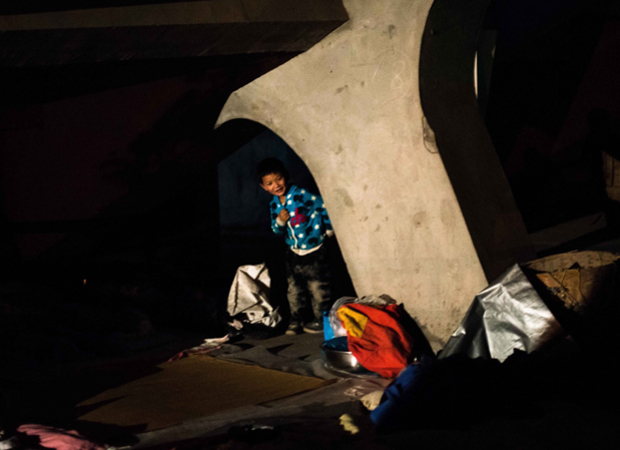
More than a third of all people forced from their homes by disasters such as floods, storms, and earthquakes in the past five years were in China, says a new report from the leading international body on displacement.
Around 49.8 million Chinese people were displaced by natural hazards between 2008 and 2012, nearly 35% of the global total (143.9 million) and the highest of any country, calculates the Geneva-based Internal Displacement Monitoring Centre (IDMC).



From their website:
This is my personal blog, and the things posted here represent my personal views and not necessarily the views of my employer, whoever you may think that is.
Please feel free to cite anything you find here, but please include links and give credit to the blog.
Almost half of all Chinese report feeling “more anxiety” now than they did five years ago. What, exactly, is driving these concerns, or increasing reports of these concerns? Avid followers of China-related news might immediately think of censorship and other restrictions on freedoms, yet reports show that the main sources of anxiety in China lie elsewhere. Furthermore, recent coverage of these concerns has revealed changes in the expectations, dreams, and demands of many Chinese.

Dissident intellectuals pointed out that the regime is not afraid of what you say, no matter how strong; however, it is fearful of any form of organization and collective activities, and it has been cracking down harshly on these street demonstrations.