China is Upping Its Aid and Development Game. How Should the U.S. Respond?

A ChinaFile Conversation

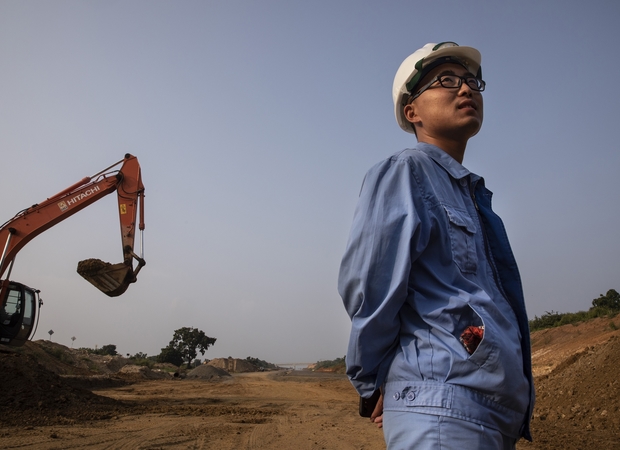
During his September 2018 U.N. address, President Donald Trump threatened that the United States may decide to only give foreign aid to “those who respect us and, frankly, are our friends.” In August, the White House attempted to cut foreign aid spending by U.S.$3.5 billion. Meanwhile, China has intensified its aid and development spending globally. Pledges of Chinese aid and investment accompany numerous overseas visits by Chinese Chairman Xi Jinping.
Mark Akpaninyie

Mark Akpaninyie is a Research Assistant at the Center for Strategic and International Studies (CSIS). He previously was a Research and Special Assistant for the late Dr. Zbigniew Brzezinski at CSIS and a researcher with the CSIS Freeman Chair in China Studies. Prior to joining CSIS, he lived in China for over three years, serving as a Fellow with Teach For China and then a lecturer at Baoshan University. He is a member of the National Committee on U.S.-China Relations and a Young Leader with Pacific Forum. He graduated with a B.A. in Public Policy Studies from the Sanford School of Public Policy at Duke University.

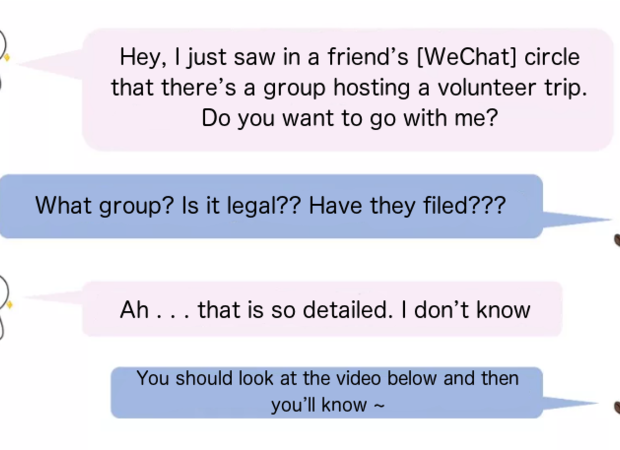
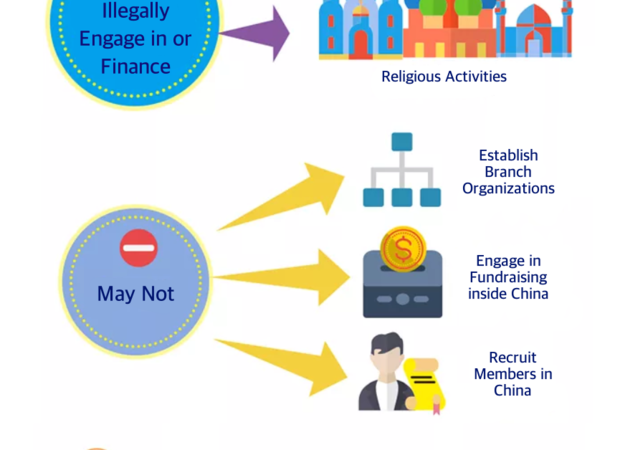
Public Security Infographic: Make Sure Foreign NGOs Have Filed!

Ministry of Public Security WeChat Posts—January 9-10, 2019

The MPS forwarded a cartoon and infographic about the Foreign NGO Law, which offers a general overview of the law, such as information on what defines a foreign NGO, what sectors foreign NGOs are able to work in, who registration and supervising authorities are, what paperwork is required to register or file, and what foreign NGOs are not permitted to do. As many of the details of registration and filing have been covered on this site, The China NGO Project has only partially translated the graphics, focusing on the sections outlining proscribed activities and on how Chinese citizens should question and report on suspicious foreign NGO activities.

Foreign NGO Publicity and ‘110 Day’ in Jiangsu and Anhui, Meetings with NGOs in Yunnan and Ningxia

Ministry of Public Security WeChat Posts—January 23-25, 2019

Recently, the Jiangsu Public Security Bureau (PSB) Foreign NGO Management Department combined the two-year anniversary of the Foreign NGO Law with “110 Publicity Day” to actively promote the Law. [110 is China’s emergency police number.] The department posted a “authoritative explanation” of the Foreign NGO Law on a provincial PSB WeChat account, posted a related cartoon at the top of their home webpage, and coordinated with city- and county-level PSBs to post related content to their new media accounts.

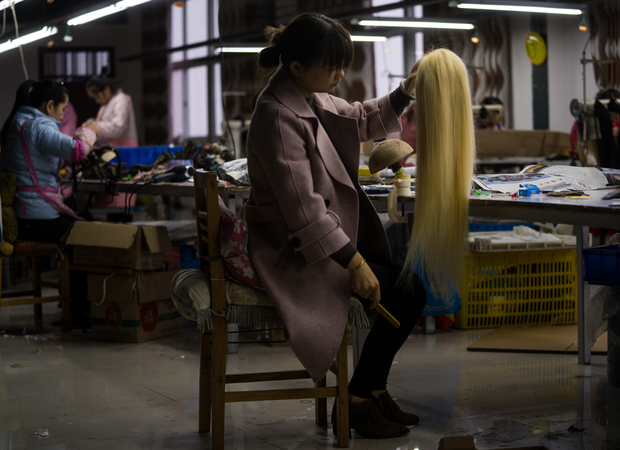
City of Wigs | Caixin

China is one of the biggest exporters of human hair in the world. Xuchang, in Henan province, is often called the “City of Wigs,” a longtime center of the hairpiece industry. High-quality human hair, which locals refer to as “black gold,” is getting harder and harder to find, as more and more people dye or perm their hair in China. But Xuchang’s wig producers hope to break into international markets such as Africa and Europe with e-commerce.

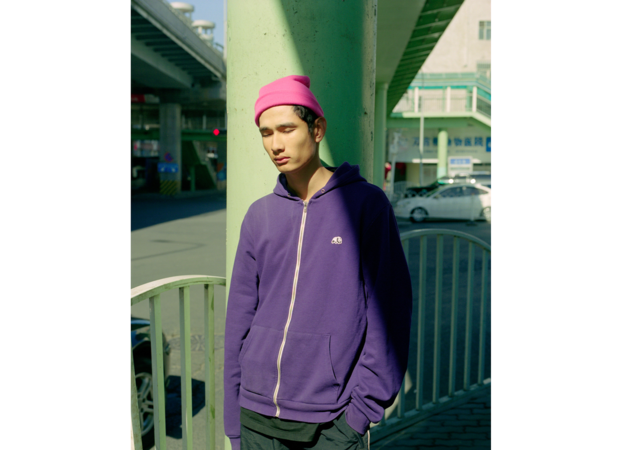
The Hip-Hop Youth of Xinjiang | Jiemian “Noon Story”

The Rap of China, a reality-TV competition, has garnered wide viewership in China since it first aired in 2017. The second season featured four contestants from Xinjiang, whom the audience dubbed the “Four Brothers of Tianshan.” Three of them are Uighur. Aire, from Kashgar, and Nawukere, from Urumqi, eventually went on to secure first and second place. Their success came against the backdrop of the Chinese government’s increasing repression of Muslim minorities in Xinjiang.

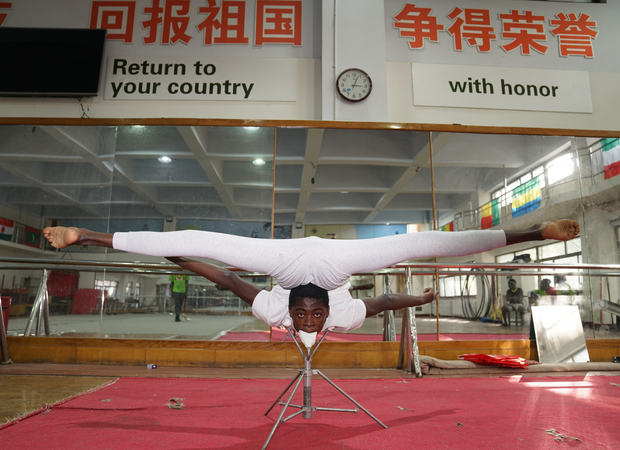
African Acrobatic Students in Hebei | Caixin

Since 2002, students have been arriving from across Africa to study acrobatics by invitation of the Chinese Ministry of Culture. While the popularity of acrobatics as a career has waned among youth in China, it’s still considered a decent and well-paid job in many African countries. Photographer Cai Liying documents a group of African students at the Wuqiao International Acrobatics Art School, in Hebei province, and their journeys to learn how to bend their bodies—and minds—to adapt to Chinese culture and language.