On the Trail of Confiscated TIME Magazines

The note arrived in a nearly empty box sent to TIME’s Beijing Bureau. All copies of TIME Magazine’s May 14, 2012 issue with a cover entitled The People’s Republic of Scandal had been “safeguarded by customs.” Apparently, some customs officer had been entrusted with counting each confiscated copy ; there were, the receipt noted, 62 seized magazines. At the bottom of the customs document, there were five categories (with boxes to be ticked next to them) that described the possible fate of the seized magazines: 1. To be returned to sender 2. To be taxed 3. To be inspected 4. To be declared 5. To be dealt with. Our 62 magazines fell into the last category. They were being “dealt with.”

Rigid Thinking Beggars China's Soft Power

In recent weeks, China has emitted glints of intensifying anti-Western xenophobia. Last week, following the announcement of a three-month crackdown on foreigners without valid visas, CCTV anchor Yang Rui (杨锐) encouraged police to “clean out the foreign garbage”. Yang seemed to revel in China’s recent decision to expel Al Jazeera reporter Melissa Chan (“that foreign shrew,” he called her), the first case since 1998 of a foreign journalist kicked out of China. Like the last wave of populist anti-Western sentiment to hit China back in 2008 (remember the “Cafferty Affair” and the controversy over the Olympic torch relay?), these recent remarks — including a number of editorials in state media — stem from a foundational sense of victimization at the hands of the West. And Western media, once again, are bearing the brunt of the attack.

Why is Harvard Training China's Leaders?

Harvard and China have one thing in common: They both consider themselves to be the center of the world. So, it was always inevitable that when the scandal that brought down Chongqing party boss Bo Xilai broke, the repercussions would be felt, somehow, in Cambridge. The connection, it turned out, was Bo Guagua, the son of the disgraced Communist official. The younger Bo was a graduate student at Harvard’s Kennedy School of Government. In April, he stopped attending classes and was seen leaving his off-campus apartment with what appeared to be a security detail.

Slate

Publication Logo Vertical: 
Publication Logo Header: 

From their website:

Slate is a daily magazine on the Web. Founded in 1996, we are a general-interest publication offering analysis and commentary about politics, news, business, technology, and culture. Slate has been recognized with numerous awards, including the National Magazine Award for General Excellence Online. The site, which is owned by Graham Holdings Company, does not charge for access and is supported by advertising revenues.

Unplugging from China

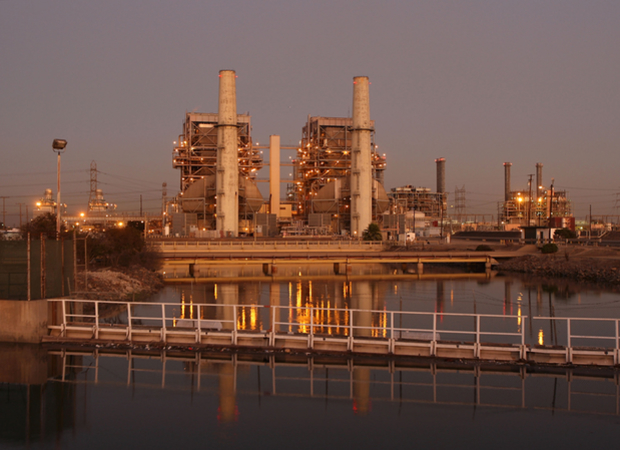
Apparent preparations by US energy giant AES Corporation to withdraw from China have raised eyebrows lately. Earlier this year, it emerged that the firm—one of the world’s biggest independent power generators—had engaged an investment bank to sell all or part of its business in China for US$300 million to US$400 million (1.9 billion yuan to 2.5 billion yuan).

TV Show Catches Flak for its Criticism of Contestants Who Have Lived Abroad

The gameshow Fei Ni Mo Shu (Only You) has a pretty straightforward premise: a contestant steps onto a stage next to the host and introduces him/herself to a panel of twelve bosses of major companies who sit in highly extravagant throne-like chairs. Much along the same lines as The Apprentice, or other gameshows, the prize for the winner of Only You is a job at one of the bosses’ companies.