Singapore’s Growth Story Holds Lessons for Water-Scarce China

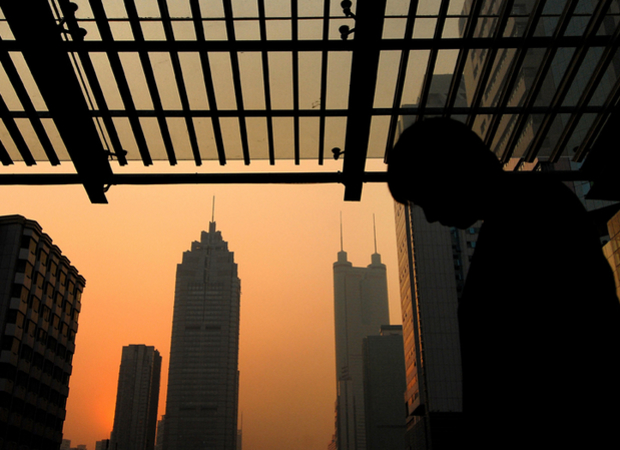
When the tiny city-state of Singapore gained independence in 1965, its social, economic, political, and environmental constraints appeared so formidable that many of those looking in from outside predicted a future of dismal dimensions.

Forty years on, the reality looks very different. Within a few decades, the state— just 714 square kilometers and with very limited natural resources— has turned itself into a role model: a country with increasing per capita GDP, a clean environment, and vibrant innovation. From China to Myanmar, “learn from Singapore” has become a common refrain.

When You Grow Up

An Excerpt from “Strange Stones: Dispatches from East and West”

Little Lu, Little Zhang, and Little Liu waited for me at the end of the bridge. They were ten, twelve, and fourteen years old, respectively, and they had come from the same village in northern Sichuan Province. They said that they had dropped out of school and migrated to the south because their families were too poor to afford the school fees. I had met them three days earlier in downtown Shenzhen, where they had tried to sell me pornographic video disks.

China Dreams

After celebrating their country’s three decades of fantastic economic success, many Chinese now are asking, “What comes next?” How can China convert its growing economic power into political and cultural influence around the globe?

William A. Callahan's China Dreams gives voice to China’s many different futures by exploring the grand aspirations and deep anxieties of a broad group of public intellectuals. Stepping outside the narrow politics of officials vs. dissidents, Callahan examines what a third group—“citizen intellectuals”—think about China’s future. China Dreams eavesdrops on fascinating conversations between officials, scholars, soldiers, bloggers, novelists, filmmakers and artists to see how they describe China’s different political, strategic, economic, social and cultural futures. Callahan also examines how the P.R.C.’s new generation of twenty- and thirty-somethings is creatively questioning “The China Model” of economic development. The personal stories of these citizen intellectuals illustrate China’s zeitgeist and a complicated mix of hopes and fears about “The Chinese Century,” providing a clearer sense of how the PRC’s dramatic economic and cultural transitions will affect the rest of the world. 

China Dreams explores the transnational connections between American and Chinese people, providing a new approach to Sino-American relations. While many assume that 21st century global politics will be a battle of Confucian China vs. the democratic west, Callahan weaves Chinese and American ideals together to describe a new “Chimerican dream.”  —Oxford University Press

The Reborn of Beichuan

Stories of Recovery after the Sichuan Earthquake

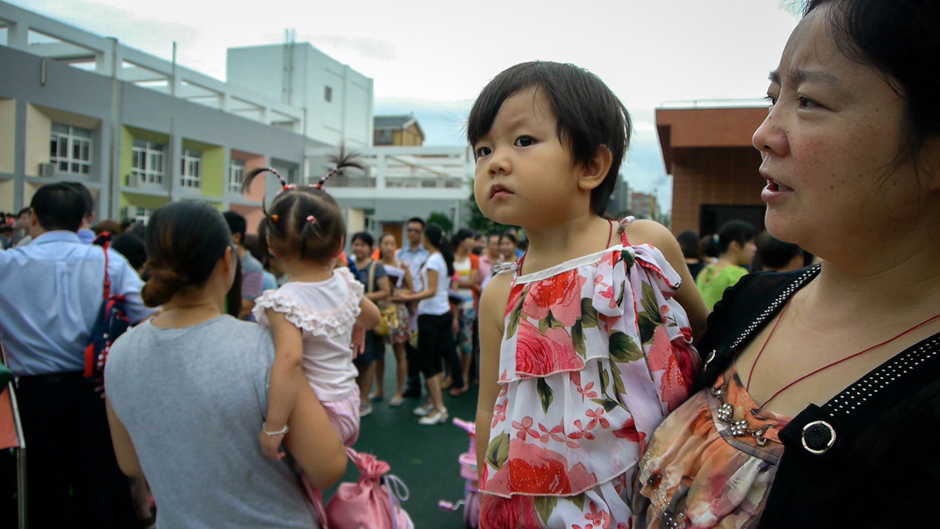
The Sichuan earthquake that struck this mountainous region on May 12, 2008 killed an estimated 90,000 people, including thousands of children. For many families in China, losing one child means losing an only child. The Reborn of Beichuan follows the journey of two families from the devastated city of Beichuan as they try to restore normalcy to their lives and struggle to move past the loss of their children.

Topics: 
Rural Life