China Accused Of Decade Of Cyber Attacks On Governments And Corporates In Asia
on April 13, 2015
“There’s no smoking gun...,but all signs point to China” Bryce Boland told TechCrunch.
“There’s no smoking gun...,but all signs point to China” Bryce Boland told TechCrunch.
Jeffrey Linn is an urban planner, designer, and cartographer focused on sustainability and active transportation issues. He currently lives in Seattle.
China’s South China Sea neighbors could lose up to $100 million a year because reefs are fish breeding grounds.
The tumble could heighten worries about how a rising yuan hurt demand for Chinese goods and services abroad.
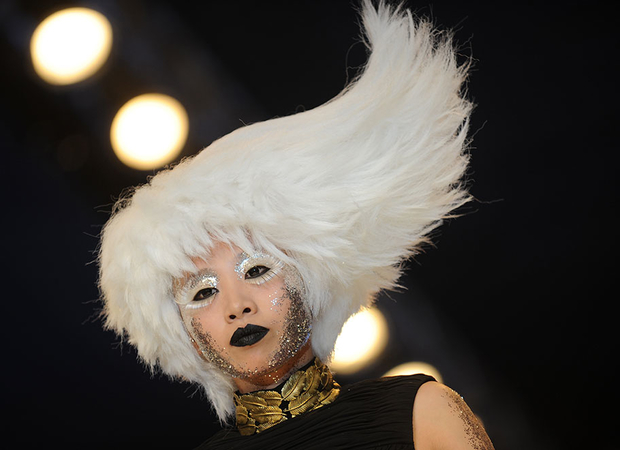
Sociologist Ben Ross, a doctoral student at the University of Chicago, focuses on Chinese labor migration and related issues. He first got noticed by Sinica in 2007 while writing a blog about working as the only foreign "hair-washing trainee" in a Fuzhou hair salon. Listen to his interview this week with Kaiser and David Moser in Beijing and Jeremy Goldkorn calling in from the U.S.
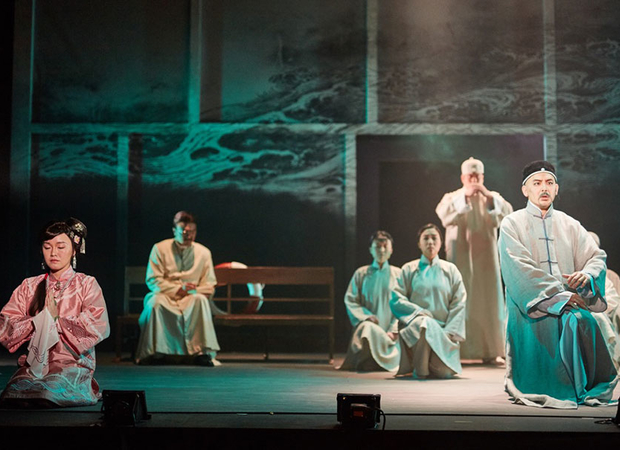
Kang Tongbi (played by soprano Louise Kwong), left, and Kang Youwei (played by bass Apollo Wong) in Act I of Datong.
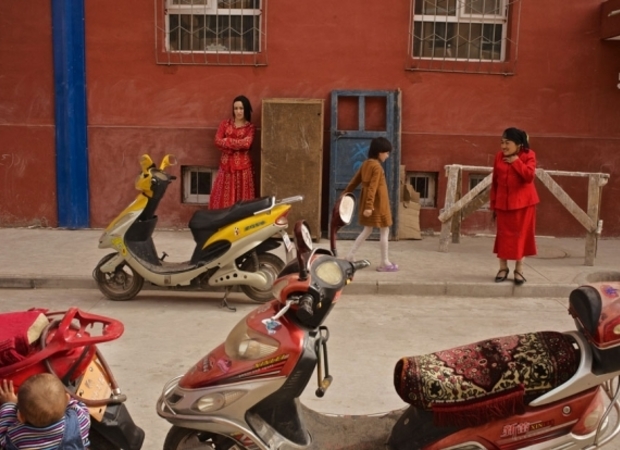
Xinjiang is one of those remote places whose frequent mention in the international press stymies true understanding. Home to China’s Uighur minority, this vast region of western China is mostly known for being in a state of permanent low-grade conflict, with terrorist attacks and a ferocious government crackdown, even against moderate Uighur academics.
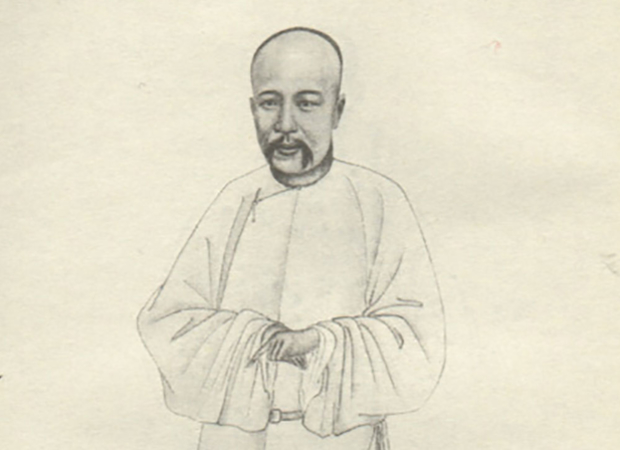
This year, the 43rd annual Hong Kong Arts Festival commissioned a chamber opera in three acts called Datong: The Chinese Utopia. Depicting the life and times of Kang Youwei (1858-1927), a philosopher and reformer of China’s last Qing dynasty, it premiered in the theater of the Hong Kong City Hall, a stone’s throw away from where the Umbrella Movement protests of 2014 demanded universal suffrage and greater democracy.
Julian Gewirtz served in multiple roles over four years in the Biden administration, including leading the White House team responsible for coordinating U.S. policy on China as Senior Director for China and Taiwan Affairs at the National Security Council, counseling senior White House leadership on the full range of national security and foreign policy matters as Senior Advisor to the Principal Deputy National Security Advisor, and managing a global team of diplomats and analysts as Deputy China Coordinator at the State Department. The Washington Post recently named him one of "50 people shaping our society in 2025."
He is the author of several books, most recently Never Turn Back: China and the Forbidden History of the 1980s, which was named a best book of the year by Foreign Affairs and BBC History, and a collection of poems, Your Face My Flag. He was previously the senior fellow for China studies at the Council on Foreign Relations, a lecturer in history at Harvard and Columbia, and a special advisor at the Department of Energy in the Obama administration. He received his doctoral degree in modern Chinese history from Oxford University, where he was a Rhodes Scholar, and his undergraduate degree from Harvard College.
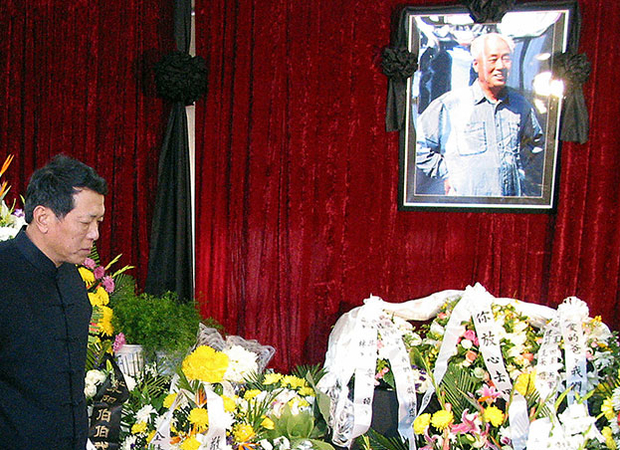
Zhao Ziyang, the premier and general secretary of the ruling Chinese Communist Party (CCP) in the 1980s, died on January 17, 2005. At a tightly controlled ceremony designed to avoid the kind of instability that the deaths of other controversial Chinese leaders had triggered, the CCP cremated his body and placed the ashes in an urn in his family home.