


Theresa May Promises ‘Golden Era’ in UK-Chinese Relations
on November 10, 2016
May has promised to work for a "golden era" in the UK's relations with China, as the country's vice-premier visits London for talks.
May has promised to work for a "golden era" in the UK's relations with China, as the country's vice-premier visits London for talks.
With selfie-ready backdrops — flowing green canals and sloping tiled roofs — Wuzhen, China, takes off with tourists
China has largely dismissed Trump’s talk of new trade tariffs as election rhetoric
When Donald Trump was elected president, the hashtag #TrumpWon was trending on Chinese social media. Chinese Internet users speculated about what Trump’s victory might mean for Sino-American relations, discussed the broader global implications of a President Trump, and dissected the impact of the win on the U.S. political system. What follows is a selection of reactions by Chinese netizens, writing on the massive social media platform Weibo on the morning of November 9, followed by quotes collected in telephone interviews with Chinese living in the United States.
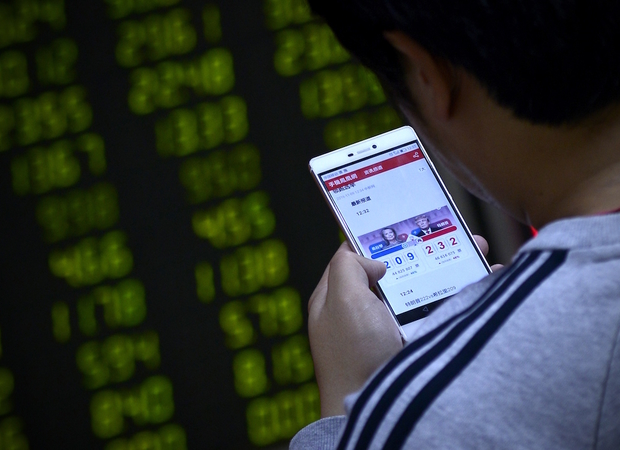
On the heels of Donald Trump’s election as the next U.S. president on Tuesday, Hua Jianping, a 40-year-old Beijing native and host of the popular Chinese-language “U.S. Election” podcast, spoke to ChinaFile by telephone from his home in College Station, Texas. Hua started the podcast at the time of the first Republican debate in August 2015, and at its peak in June of this year, it saw an average of 15,000 downloads from the website IPN.
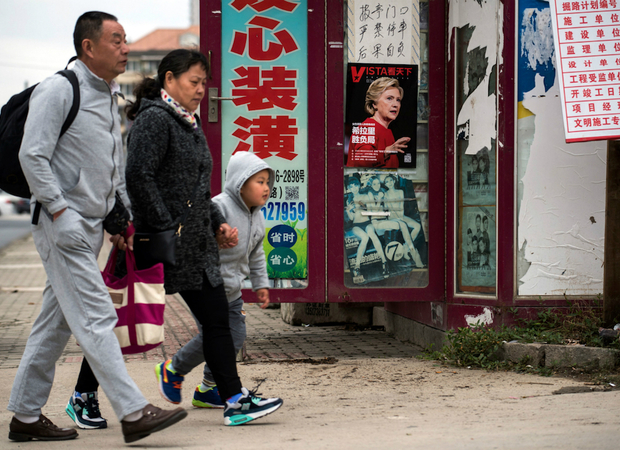
Donald J. Trump, president-elect of the United States, spent much of his antagonistic campaign blaming China for many of America’s economic ills, and repeatedly making thinly veiled threats of a U.S. trade war with Beijing. How should Trump engage with the carefully selected leaders of the Chinese Communist Party? And how might they respond?
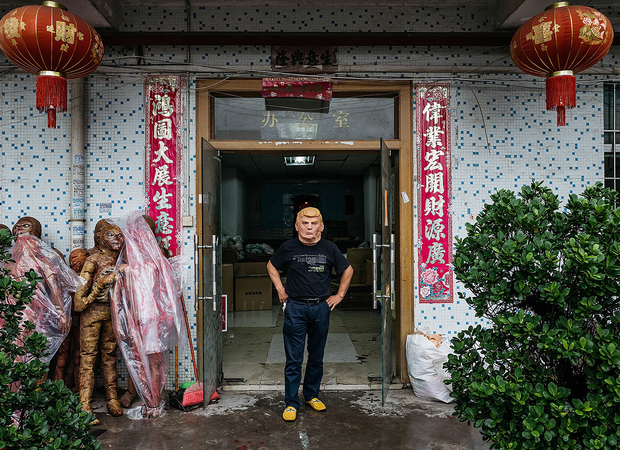
In 2011, then-Secretary of State Hillary Clinton announced with great fanfare in Foreign Policy that the United States would begin a military “pivot” to the Asia-Pacific. This beating of the American chest was done against the backdrop of China’s increasing assertiveness in the region and the sense among many longtime American allies that the United States had lost sight of Asia’s strategic importance during 10 years of Middle Eastern wars.
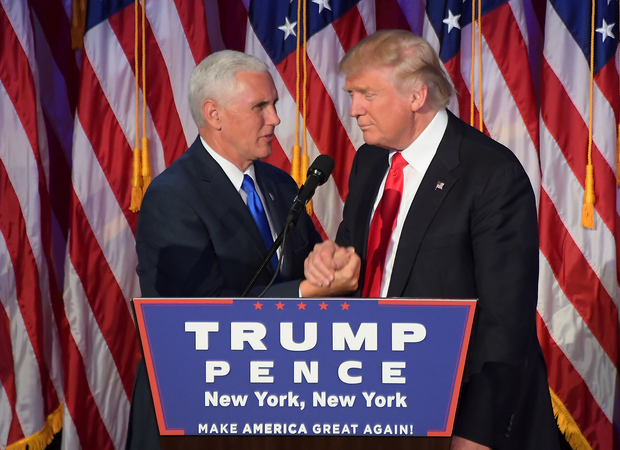
The election of Donald Trump will be a disaster for anyone who cares about human rights, U.S. global leadership, and media freedom. That means it’s a victory for Beijing, where, as I write, the Chinese leaders near me in the palatial complex of Zhongnanhai are surely cracking open the drinks and making mean jokes.
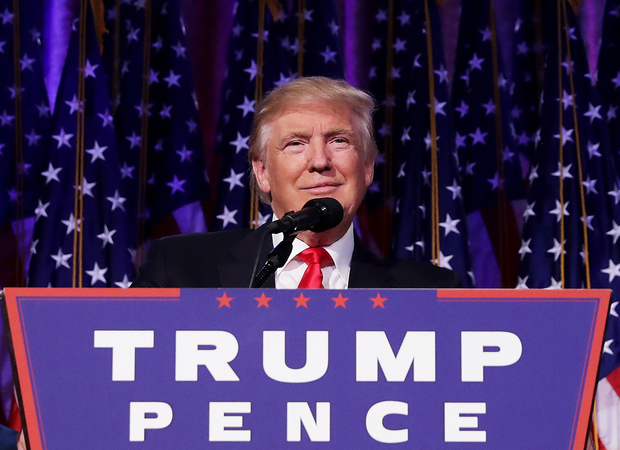
Election results mean economic threat, geopolitical opportunity for Beijing
China’s leaders are looking forward to a President Trump who offers less resistance and more hypocrisy. But Beijing's triumph may cost it in the end