


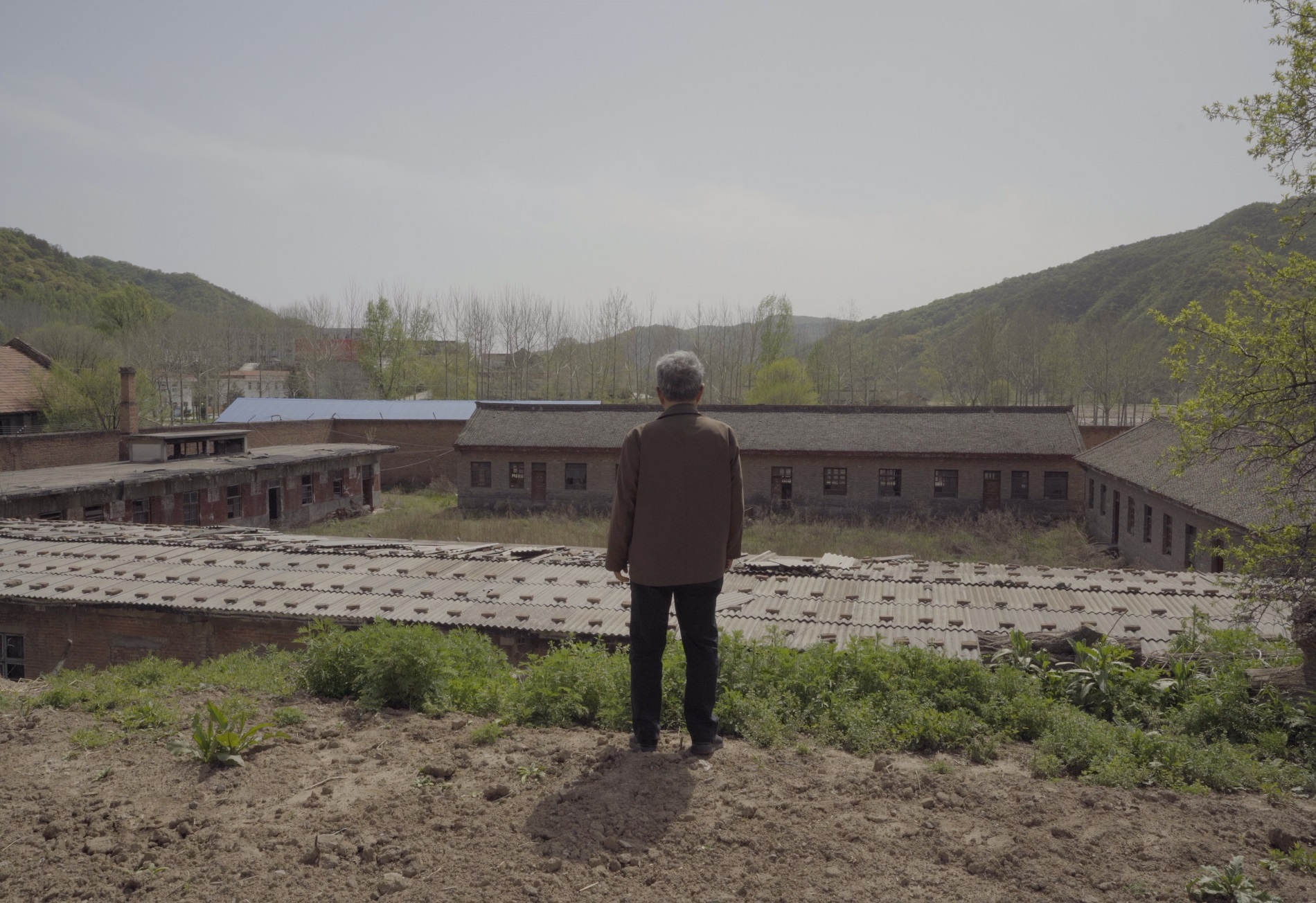
On November 6, the IndieChina Film Festival announced its cancellation because of pressure from authorities on China-based filmmakers and participants.
This November, two unrelated festivals of independent Chinese-language films are taking place outside of China. The CiLENS Berlin Indie Chinese Cinema Week, which runs from November 1 to 9, is now in its fourth year. In New York, the inaugural IndieChina Film Festival is on from November 8 to 15.
It’s a surprisingly positive development. “Many of us attending a conference on Chinese independent cinema in Newcastle in 2023 wondered if we were in some sense officiating over a funeral for that movement,” cinema curator Shelly Kraicer told me when I reached out to see if he felt the same, but these two festivals “suggest we may have been a bit premature.”
There had been a brief flourishing of independent Chinese film festivals and screenings inside China during the early 2000s, which accelerated as cheap, high-quality digital cameras and pirate DVDs of global documentaries and art films became widely available in China. That era ended with the harsher cultural restrictions of the Xi Jinping era: The 11th and final Beijing Independent Film Festival was shut down on its opening day in 2014. There have not been any independent film festivals of any size or international repute in China since then.
Nonetheless, China has a growing number of independent filmmakers who continue to produce documentaries and feature films. They just don’t have many places to show them. There are no art house theaters, and all the independent film festivals are now non-operational. While there are numerous digital channels to show short films, they are highly commercialized, highly censored, and unsuitable for films intended to be shown on a big screen. But perhaps there is hope abroad, in global cities where growing numbers of educated Chinese people are settling.
Zhu Rikun in New York and Echo Xuedan Tang in Berlin, organizers of this November’s film festivals, represent a growing Chinese cultural diaspora. Their festivals, both grassroots affairs without major corporate sponsorship, offer glimpses into contemporary China through films that would otherwise remain unseen.
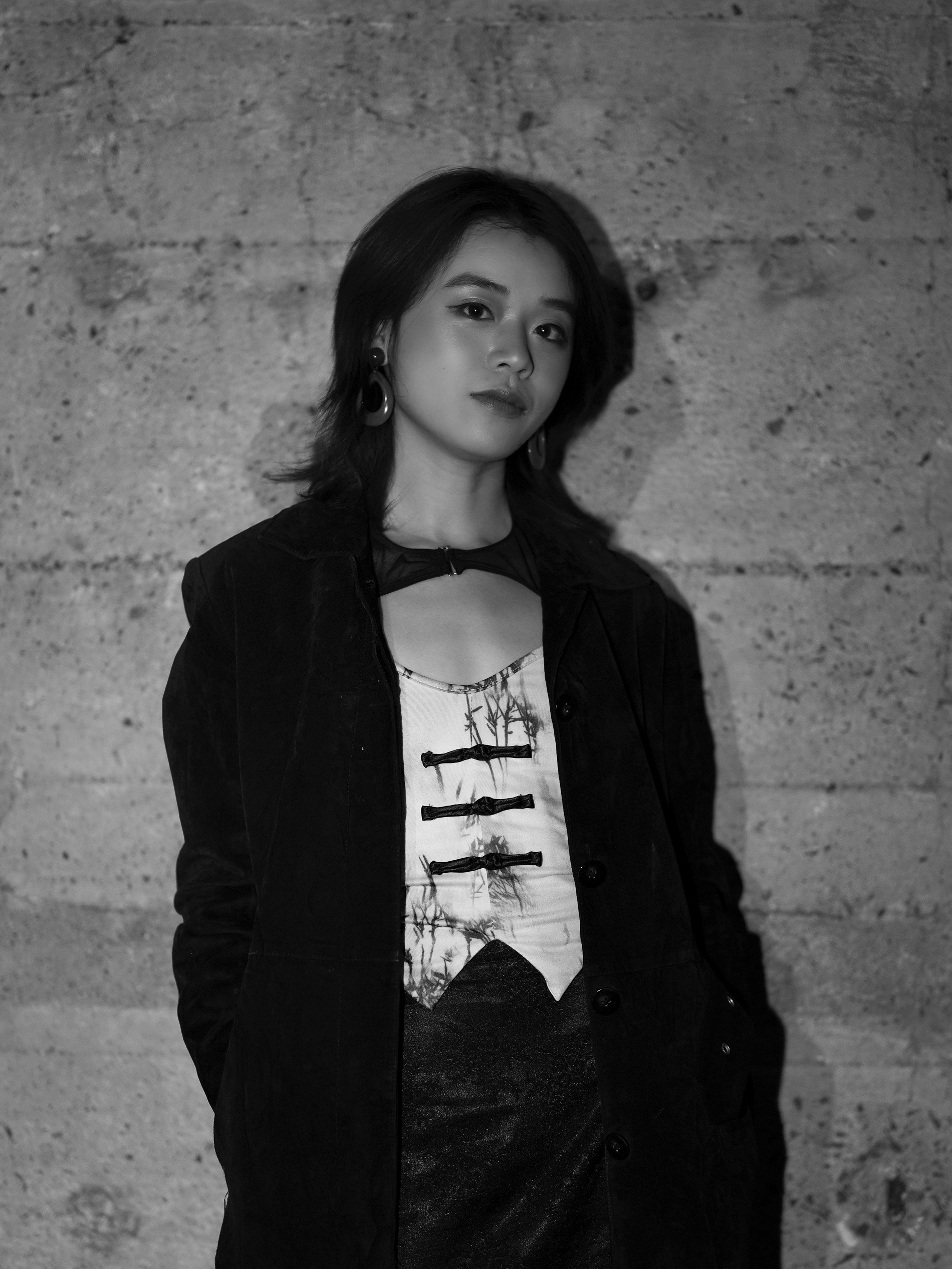
Echo Xuedan Tang
Tang is a Chengdu native who moved to Berlin in 2021 on a German Chancellor Fellowship. After completing degrees in political science and cultural management in Shanghai, London, and New York, she began making documentary films in Beijing. But “when pandemic stuff started,” she started thinking about possibilities abroad. Now based in Berlin, she founded CiLENS (Chinese Independent Lens) and launched the Indie Chinese Cinema Week in 2022 to bring together her interests in film, feminism, and global social issues.
Zhu Rikun was born in a village in Guangdong province. He studied finance at the prestigious Peking University from 1996 to 2000, but has spent the last quarter of a century working in film. In 2001, he set up Fanhall, a website for exchanging information and networking that was vital to the early growth of indie filmmaking in China. He has directed several films and produced almost 20, mostly documentaries, including The Dossier (2014). In the almost absurdist documentary, independent Tibetan writer Tsering Woeser reads and discusses the government’s secret official dossier on her, which she and Zhu somehow obtained.
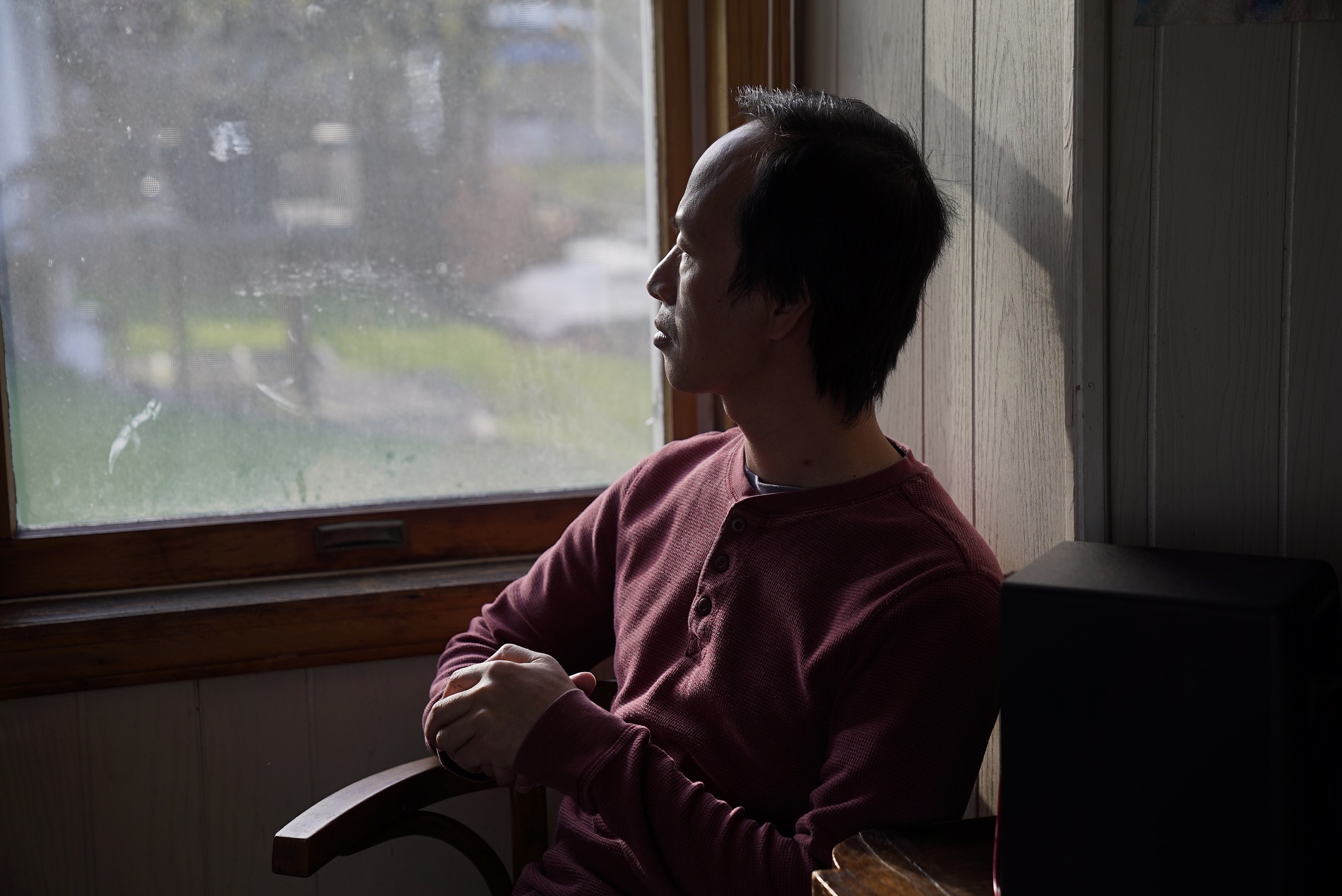
Zhu Rikun
Zhu established a well known independent documentary film festival in 2003 and was co-founder and program director of the Beijing Independent Film Festival. But the authorities frowned on film festivals that did not go through official censorship channels. “Every time we were in trouble,” Zhu said. “The government didn’t like it or they gave us some hard time. Eventually both of them were banned.” His frustrations led him to launch the IndieChina Film Festival in New York this year, despite believing that such events should ideally “be based in China, in Beijing, Guangdong, or [a] rural village.” The advantage of doing it in New York, though, aside from lack of censorship, is that he hopes “the audience can realize there are films of this kind from China, that they can be aware that independent cinema is still there, and that they can have some understanding of the current situation of Chinese society.”
Both the Berlin and New York festivals are documentary-heavy, and both organizers suggested documentaries when I asked them to recommend films.
Tang pointed to a major work in the Berlin lineup: Youth: Homecoming (青春: 归, 2024), the third in Wang Bing’s trilogy about migrant workers, shot between 2014 and 2019. Tang sees migration, and issues to do with labor, queer experience, gender politics, and ethnic minorities, as subjects that can draw “a really big crowd” and engage people of different backgrounds and cultures. Tang also highlighted this year’s short film programs, which showcase young filmmakers who take advantage of the form with “the total freedom to show and do whatever they like.”
Zhu mentioned the world premiere of Old Friends from Jiangnan (江南故人, 2024), a film about five octogenarian survivors of a re-education through labor farm in Shaanxi province, who were sent there during the Anti-Rightist Campaign in the late 1950s.
Film has been a key media form for the exploration of LGBTQ identities in China, and both festivals highlight such works. Berlin sees the premiere of Bel Ami (漂亮朋友, 2024), a feature film by Geng Jun: In a small Chinese town, a middle-aged man decides to come out of the closet, as a lesbian couple search for a gay man for a marriage of convenience to get paperwork to have a child. The New York festival has two films by Cui Zi’en, a director, producer, writer, and scholar who, from the 1990s, was a key figure in bringing LGBTQ stories to screens in China. The festival selections are his gay-themed dramas The Old Testament (旧约, 2002) and Night Scene (夜景, 2004).
Another landmark film in 21st century independent Chinese film at the New York festival is Seafood (海鲜, 2001). The director is Zhu Wen, who is also the author of a number of well-regarded novellas and short stories, including the collection I Love Dollars, which has been translated into English. Seafood is a dark film. Its protagonist, Jinzi, is a prostitute working in Beijing who takes a train to the seedy seaside resort town of Baidaihe, where senior Communist Party leaders hold an annual summer retreat. But Jinzi goes there in the middle of winter, planning to commit suicide. A cop intervenes, and then forces her into a “remedial treatment” consisting of rape and a diet of seafood. To say more about the plot would be to reveal spoilers.
Films like this cannot be screened publicly in China. But this year’s film festivals will, according to Shelly Kraicer, “insist that independent Chinese film voices continue to be heard, even—or especially—during this period when their public audiences can only be found outside of China.” These audiences will be found amongst the growing Chinese communities abroad and by an expanding group of non-Chinese who are interested in China, which—like it or not—has become an indispensable nation.
Tang notes the emergence of multiple Chinese cultural initiatives in Berlin over the past five years, including music collectives and pop-up Chinese food stalls. Her and Zhu Rikun’s festivals could become major gathering points for the Sinophone world and the Chinese-curious.
Tang’s and Zhu’s festivals could become major gathering points for the Sinophone world and the Chinese-curious. They’re also great soft power for China as a country. Even if the films do not tell the officially-approved story, anyone watching them is likely to come away with a strong sense of the humanity of the people depicted on the screen, who, like Americans and Germans, live in a country with horrific repression in its past, and a confusing present.