


ChinaFile Recommends
05.06.15Pool of Migrant Workers Expands Slower than in Past
Workers are also making more, National Bureau of Statistics says, and they are finding work closer to their rural homes.
Features
05.06.15
Invasion of the Body Snatchers
On the morning of March 16, 48-year-old Huang Shunfang went to her local hospital located in Fanghu Township in the central Chinese province of Henan. Her doctor diagnosed her with gastritis, gave her a dose of antacids through an IV, and sent her...
Media
05.06.15
Online Reaction to Baltimore Protests Reveals Much About Chinese Tension with African Immigrants
Several days ago, a Chinese friend and I were discussing the protests in Baltimore that erupted in response to the death of resident Freddie Gray in connection with his April 12 arrest by city police officers, who have since been charged with crimes...
Books
05.05.15

Meet Me in Venice
When Ye Pei dreamed of Venice as a girl, she imagined a magical floating city of canals and gondola rides. And she imagined her mother, successful in her new life and eager to embrace the daughter she had never forgotten. But when Ye Pei arrives in Italy, she learns her mother works on a farm far from the city. Her only connection, a mean-spirited Chinese auntie, puts Ye Pei to work in a small-town café. Rather than giving up and returning to China, a determined Ye Pei takes on a grueling schedule, resolving to save enough money to provide her family with a better future.{node, 15611}A groundbreaking work of journalism, Meet Me in Venice provides a personal, intimate account of Chinese individuals in the very act of migration. Suzanne Ma spent years in China and Europe to understand why Chinese people choose to immigrate to nations where they endure hardship, suspicion, manual labor, and separation from their loved ones. Today, all eyes are on China and its explosive economic growth. With the rise of the Chinese middle class, Chinese communities around the world are growing in size and prosperity, a development many westerners find unsettling and even threatening. Following Ye Pei’s undaunted path, this inspiring book is an engrossing read for those eager to understand contemporary China and the enormous impact of Chinese emigrants around the world. —Rowman & Littlefield{chop}
Books
04.30.15
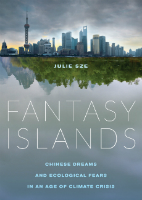
Fantasy Islands
The rise of China and its status as a leading global factory are altering the way people live and consume. At the same time, the world appears wary of the real costs involved. Fantasy Islands probes Chinese, European, and American eco-desire and eco-technological dreams, and examines the solutions they offer to environmental degradation in this age of global economic change.Uncovering the stories of sites in China, including the plan for a new eco-city called Dongtan on the island of Chongming, mega-suburbs, and the Shanghai World Expo, Julie Sze explores the flows, fears, and fantasies of Pacific Rim politics that shaped them. She charts how climate change discussions align with U.S. fears of China’s ascendancy and the related demise of the American Century, and she considers the motives of financial and political capital for eco-city and ecological development supported by elite power structures in the U.K. and China. Fantasy Islands shows how ineffectual these efforts are while challenging us to see what a true eco-city would be. —University of California Press{chop}
Media
04.30.15
Will China Ban Katy Perry?
On April 28, American pop singer Katy Perry gave her first-ever concert in Taipei, the capital of Taiwan, the self-governing island which mainland China considers to be its sovereign territory. Tense relations between Taiwan and mainland China mean...
Media
04.28.15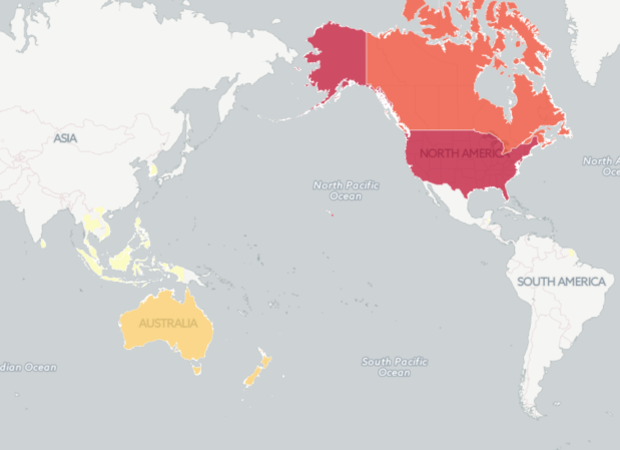
Give Me Your Tired, Your Poor, Your Chinese Fugitives
Meet China’s 100 international most-wanted: a history professor, a driving instructor, and a government propaganda office cashier. Chinese graft-busters want you to know that one of them might be your neighbor.On April 22, China’s dreaded Central...
ChinaFile Recommends
04.28.15Chinese Feminist Wants to be the Country’s First Openly Lesbian Lawyer
Washington Post
Li Tingting is determined that police harrassment will not stop her.
Sinica Podcast
04.27.15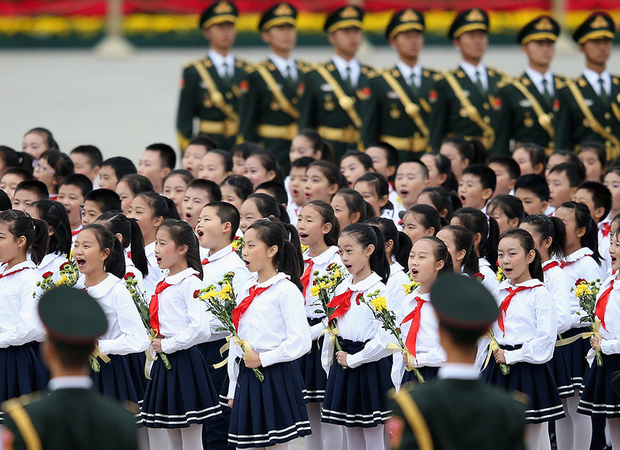
Nationalism and Censorship
from Sinica Podcast
Christopher Cairns joins the hosts of Sinica for a discussion of his forthcoming paper, co-authored with Allen Carlson, scheduled for publication in China Quarterly. Why are we so interested in this topic? Because Cairns and his colleagues at...
ChinaFile Recommends
04.24.15A Bittersweet Reprieve for Chinese Woman Who Killed Abusive Husband
Wall Street Journal
The verdict left lawyers and activists doubtful of the Chinese legal system’s ability to protect women.
Viewpoint
04.23.15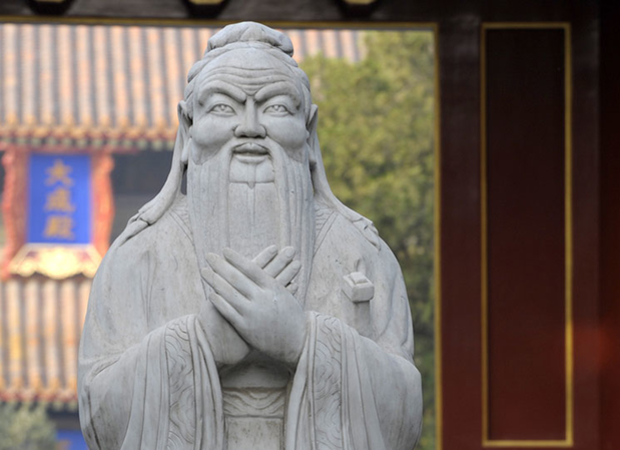
China’s Leftists Are Embracing Confucius. Why?
When Jennifer Pan and Yiqing Xu posted their new paper, “China’s Ideological Spectrum,” last week, it marked the first time that anyone has provided large-scale empirical data on the ideological shifts and trends within the Chinese population. China...
Sinica Podcast
04.20.15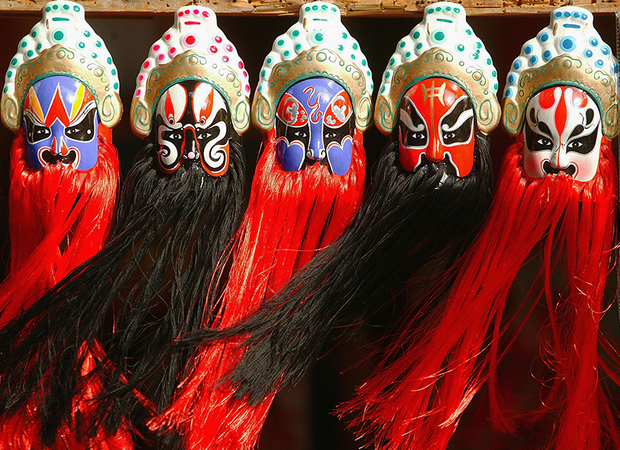
China’s Ideological Spectrum
from Sinica Podcast
Last week, Harvard doctoral student Jennifer Pan and MIT graduate student Yiqing Xu co-released a paper, “China’s Ideological Spectrum,” that has garnered a tremendous amount of attention in China-watching circles. And the reason for the fracas?...
ChinaFile Recommends
04.18.15China Cracks Down on Golf, the ‘Sport for Millionaires’
New York Times
Party officials in Guangdong, home to the 12-course Mission Hills Golf Club, are now forbidden to golf during work hours.
Environment
04.16.15
Petrochemical Plant Explosion Vaporizes Government Safety Assurances
from chinadialogue
Opposing the construction of petrochemical plants making Paraxyline (PX), a key ingredient in plastic bottles and polyester clothing, has been one of the most common forms of environmental activism for China’s urban residents in the past decade.On...
Conversation
04.16.15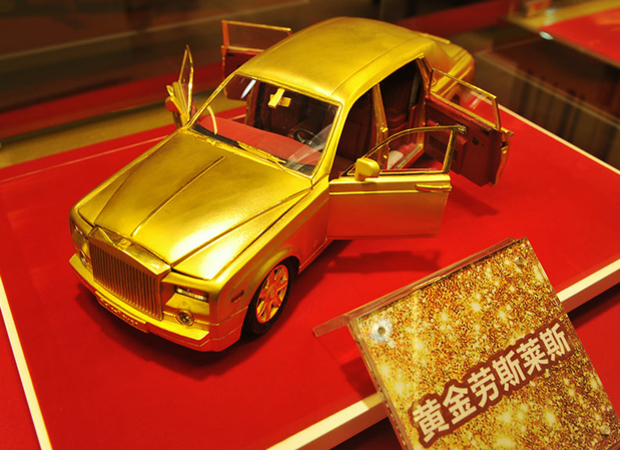
How Much Consumerism Can China Afford?
This week, a blockbuster movie celebrating speedy cars and the racing life landed atop China’s box office. The Hollywood import Fast and Furious 7 grossed $63 million in one day (as reported by Bloomberg), the most-ever for a single title in that...
Media
04.15.15
Online Support–and Mockery–Await Chinese Feminists After Release
On April 13, Chinese authorities released on bail five feminist activists detained for over a month without formal charges. Despite tight censorship surrounding their detention, support on Chinese social media and thinly veiled media criticism...
ChinaFile Recommends
04.15.15Wild Pigeon
Daylight
“The underlying theme I heard when talking to people was that how you interpret things is how they will be, so its best to look at the bright side of things. You don’t mention bad dreams, or you try to interpret them in a positive way. People told...
Media
04.14.15
Henry Paulson: ‘Dealing with China’
from Asia Blog
Speaking at Asia Society New York on April 13 with New Yorker correspondent Evan Osnos, former U.S. Treasury Secretary Henry Paulson explained that it’s impossible to predict the timing or magnitude of a financial crisis, but any country with...
Media
04.13.15
The Chinese Internet Hates Hillary Clinton Even More than Republicans Do
On the afternoon of April 12, Hillary Clinton announced her long-expected decision to run for president in 2016. Within hours, Chinese news sites shared the announcement on Weibo, China’s most popular micro-blogging platform, provoking thousands of...
Sinica Podcast
04.13.15
Styling It in China
from Sinica Podcast
Sociologist Ben Ross, a doctoral student at the University of Chicago, focuses on Chinese labor migration and related issues. He first got noticed by Sinica in 2007 while writing a blog about working as the only foreign "hair-washing trainee...
The NYRB China Archive
04.13.15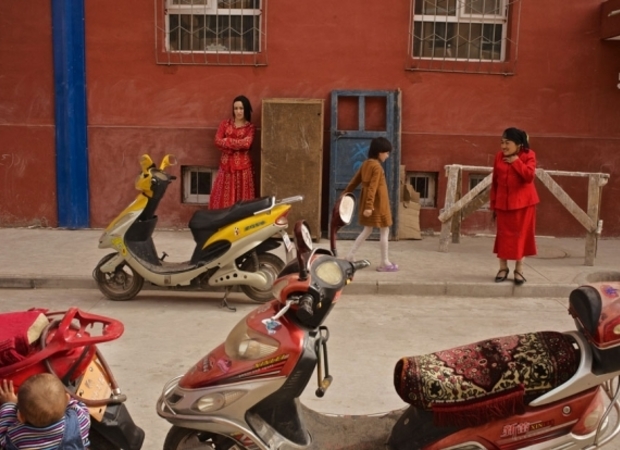
China: What the Uighurs See
from New York Review of Books
Xinjiang is one of those remote places whose frequent mention in the international press stymies true understanding. Home to China’s Uighur minority, this vast region of western China is mostly known for being in a state of permanent low-grade...
Photo Gallery
04.10.15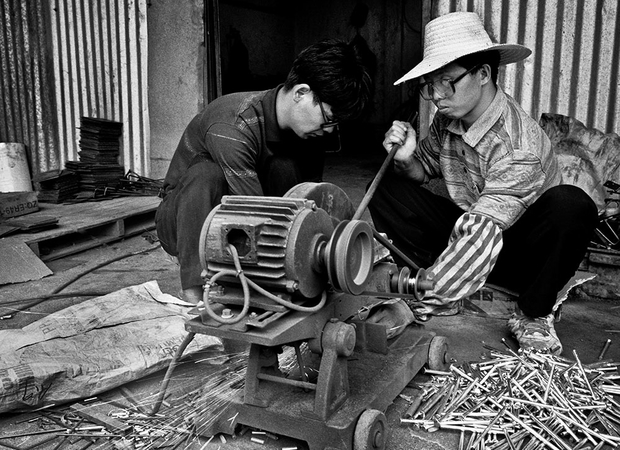
Stroller Factory, 1999
In 1999, photographer Willem Wernsen spent ten days in the small city of Kengzi, in Guangdong province, about 30 miles northeast of Shenzhen in an industrial zone. This was part of a longer, five-week trip, Wernsen’s first to the People’s Republic...
The China Africa Project
04.03.15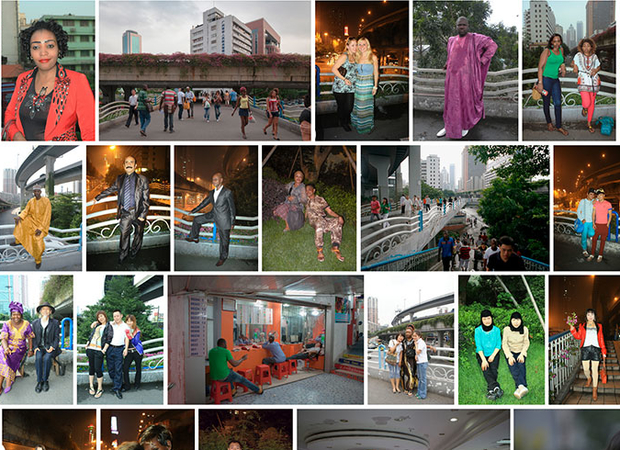
This Little Bridge Connects Guangzhou and Africa
The southern Chinese city of Guangzhou is home to China’s largest African migrant population, predominantly from Nigeria. In the city’s Little North Road neighborhood there is a small pedestrian bridge where immigrants from all over the world go to...
Features
04.02.15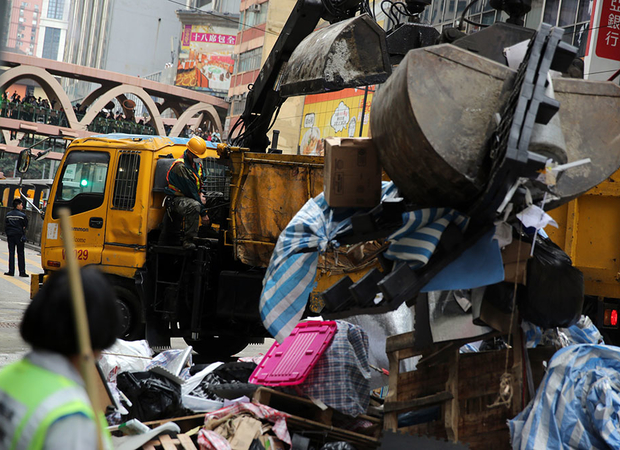
Frank Talk About Hong Kong’s Future from Margaret Ng
Following is the transcript of a recent ChinaFile Breakfast with Margaret Ng, the former Hong Kong legislator in discussion with Ira Belkin of New York University Law School and Orville Schell, ChinaFile Publisher and Arthur Ross Director of the...
ChinaFile Recommends
04.02.15‘Masturbation Will Lead to Homosexuality’: China’s LGBT Sex-Ed Problem in Chinese
Nation
In a country where sex and sexuality remain taboo topics of discussion, such misinformation remains common.
ChinaFile Recommends
03.31.15Why Chinese Students Find it Hard to Make Friends on US Campuses
Hong Kong Economic Journal
Chinese students complain that American students are misinformed, prejudiced and offensive on Chinese current events.
The China Africa Project
03.30.15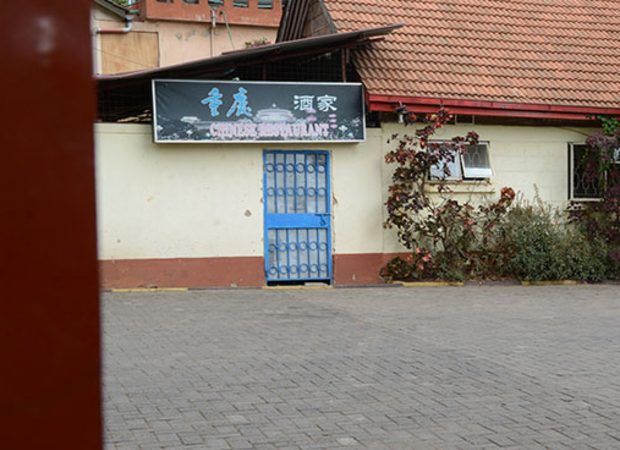
A Chinese Perspective on the #RacistRestaurant Scandal in Kenya
The Chinese restaurant in Nairobi that barred Africans after 5pm sparked a frenzied week of news coverage on both local and international media and, of course, on Twitter. The actions of this small, inconsequential restaurant seemingly took on much...
Sinica Podcast
03.30.15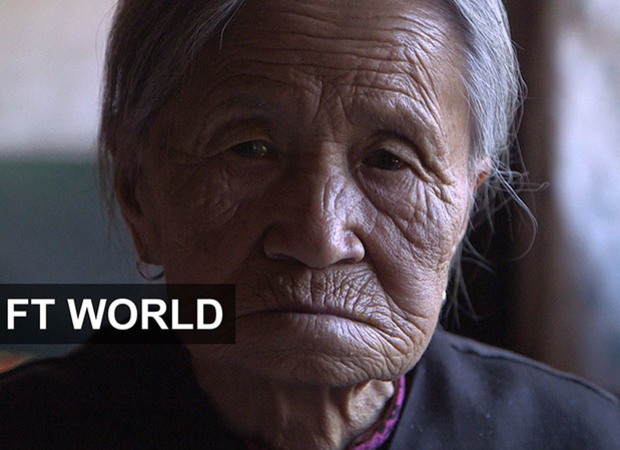
Comfort Women and the Struggle for Reparations
from Sinica Podcast
Kaiser talks with Lucy Hornby, China correspondent for the Financial Times and author of a recent piece on China’s last surviving Chinese comfort women and their longstanding and often futile attempt to seek reparations in both China and Japan.Also...
The China Africa Project
03.26.15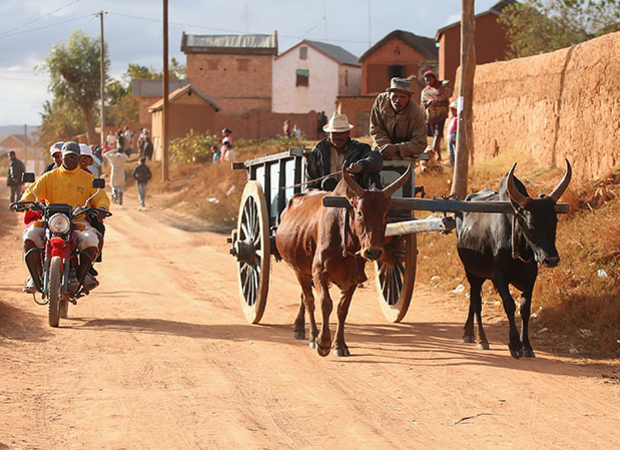
Who Knew? Madagascar Has Africa’s Third Largest Chinese Population
The Chinese population on the east African island of Madagascar defies many of the poorly-informed, albeit widely-held, stereotypes about Chinese migrants on the rest of the continent. First, the community in Madagascar isn't small or isolated...
ChinaFile Recommends
03.26.15Skiing Is the Latest Obsession for China’s Wealthy
Wall Street Journal
Winter sports are catching on as Beijing bids to host the 2022 Winter Olympics.
Media
03.26.15
Brother, Can You Spare a Renminbi?
Who deserves to be poor in modern China? One man in China’s southern Zhejiang province certainly seemed sympathetic: Each day, he pushed himself along the street on a homemade wooden skateboard, his apparently paralyzed legs tucked under his body,...
Caixin Media
03.24.15
Kissinger: China, U.S. Must ‘Lead in Cooperation’
Henry Kissinger, the former U.S. Secretary of State and the architect of former president Richard Nixon's historic visit to China in 1972, has continued to influence the shaping of the two countries' relations and America's foreign...

Sinica Podcast
03.23.15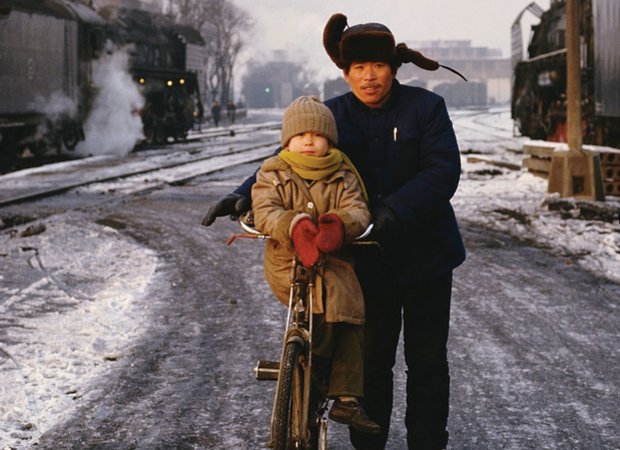
In Manchuria: A Village Called Wasteland
from Sinica Podcast
Kaiser Kuo and David Moser are joined by Michael Meyer, the author of The Last Days of Old Beijing and now In Manchuria, a part literary travelogue and part journalistic account of three years spent living with family in rural Jilin.{...
Books
03.18.15
Confucius
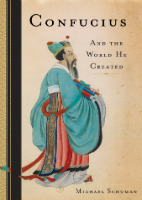
Confucius is perhaps the most important philosopher in history. Today, his teachings shape the daily lives of more than 1.6 billion people. Throughout East Asia, Confucius’s influence can be seen in everything from business practices and family relationships to educational standards and government policies. Even as western ideas from Christianity to Communism have bombarded the region, Confucius’s doctrine has endured as the foundation of East Asian culture. It is impossible to understand East Asia, journalist Michael Schuman demonstrates, without first engaging with Confucius and his vast legacy.Confucius created a worldview that is in many respects distinct from, and in conflict with, Western culture. As Schuman shows, the way that East Asian companies are managed, how family members interact with each other, and how governments see their role in society all differ from the norm in the West due to Confucius’s lasting impact. Confucius has been credited with giving East Asia an advantage in today’s world, by instilling its people with a devotion to learning, and propelling the region’s economic progress. Still, the sage has also been highly controversial. For the past 100 years, East Asians have questioned if the region can become truly modern while Confucius remains so entrenched in society. He has been criticized for causing the inequality of women, promoting authoritarian regimes, and suppressing human rights.Despite these debates, East Asians today are turning to Confucius to help them solve the ills of modern life more than they have in a century. As a wealthy and increasingly powerful Asia rises on the world stage, Confucius, too, will command a more prominent place in global culture.Touching on philosophy, history, and current affairs, Confucius tells the vivid, dramatic story of the enigmatic philosopher whose ideas remain at the heart of East Asian civilization. —Basic Books {chop}
Caixin Media
03.17.15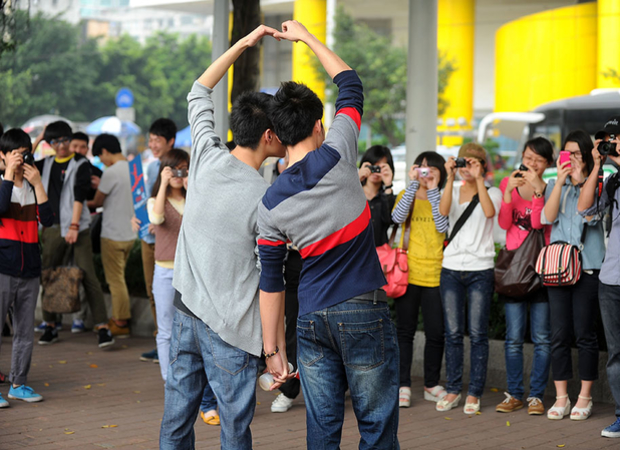
Chinese Businesses Eye Purchasing Power of LGBT Community
Chinese businesses are starting to show interest in the purchasing power of the lesbian, gay, bisexual, and transgender (LGBT) consumer market, often referred to as the “pink dollar,” a trend led by e-commerce giant Alibaba Group...
Excerpts
03.16.15
The Education of Detained Chinese Feminist Li Tingting
It is probably fair to say no woman has ever taken more flak for walking into a men’s room than Li Tingting. In the run-up to Women’s Day in 2012, the feminist college student was distressed by the one-to-one ratio of public restroom facilities for...
Books
03.16.15
The China Collectors
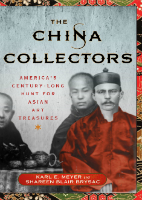
Thanks to Salem sea captains, Gilded Age millionaires, curators on horseback, and missionaries gone native, North American museums now possess the greatest collections of Chinese art outside of East Asia itself. How did it happen? The China Collectors is the first full account of a century-long treasure hunt in China from the Opium Wars and the Boxer Rebellion to Mao Zedong's 1949 ascent.The principal gatherers are mostly little known and defy invention. They included "foreign devils" who braved desert sandstorms, bandits, and local warlords in acquiring significant works. Adventurous curators like Langdon Warner, a forebear of Indiana Jones, argued that the caves of Dunhuang were already threatened by vandals, thereby justifying the removal of frescoes and sculptures. Other Americans include George Kates, an alumnus of Harvard, Oxford, and Hollywood, who fell in love with Ming furniture. The Chinese were divided between dealers who profited from the artworks' removal, and scholars who sought to protect their country's patrimony. Duanfang, the greatest Chinese collector of his era, was beheaded in a coup and his splendid bronzes now adorn major museums. Others in this rich tapestry include Charles Lang Freer, an enlightened Detroit entrepreneur, two generations of Rockefellers, and Avery Brundage, the imperious Olympian, and Arthur Sackler, the grand acquisitor. No less important are two museum directors, Cleveland's Sherman Lee and Kansas City's Laurence Sickman, who challenged the East Coast's hegemony.Shareen Blair Brysac and Karl E. Meyer even-handedly consider whether ancient treasures were looted or salvaged, and whether it was morally acceptable to spirit hitherto inaccessible objects westward, where they could be studied and preserved by trained museum personnel. And how should the U.S. and Canada and their museums respond now that China has the means and will to reclaim its missing patrimony?—Palgrave Macmillan {chop}
ChinaFile Recommends
03.13.15China’s Growing Middle Class Chafes Against Red Tape
New York Times
As China’s middle class—wired, ambitious and worldly—grows, its members increasingly are intolerant.
Environment
03.11.15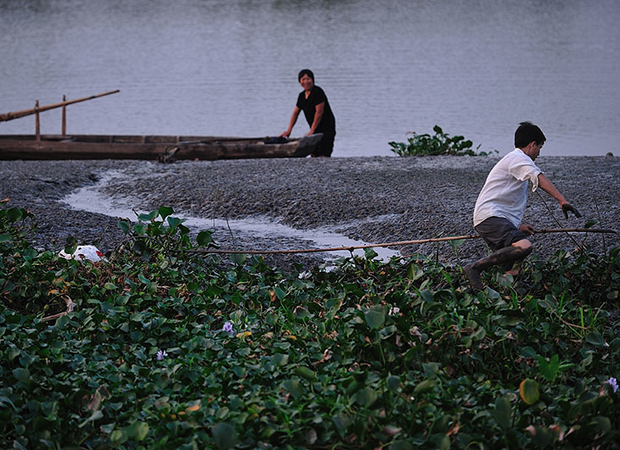
China’s Polluted Soil and Water Will Drive up World Food Prices
from chinadialogue
China’s push for more intense farming has kept its city dwellers well-fed and helped lift millions of rural workers out of poverty. But it has come at a cost. Ecosystems in what should be one of the country’s most fertile regions have already been...
ChinaFile Recommends
03.11.15China Celebrates International Women’s Day By Arresting Women’s Rights Activists
Huffington Post
Many women’s rights groups activists who also work on LGBT issues have gone into hiding.
Media
03.10.15
China’s Good Girls Want Tattoos
“It seems that Chinese men don’t want to marry a girl with tattoos,” complained one such girl on the Chinese online discussion platform Douban. She posted a picture of her body art, an abstract design on her lower back. “In East Asian cultural...
ChinaFile Recommends
03.08.15The Cowboys (and Indians) of Sichuan: Photographers Search for China's Billy the Kid
South China Morning Post
The people of remote Tagong in the southwestern grasslands resemble the cowboys and Indians of North American history.
Environment
03.04.15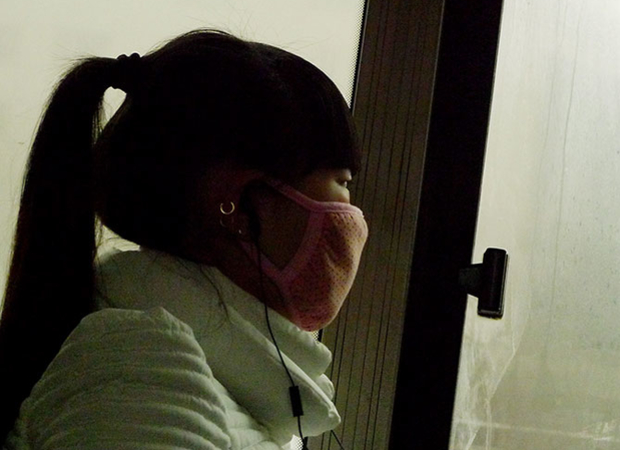
Clearing Skies
from Sierra Club
After dark is when the pollution arrives on the outskirts of Shanghai. On a bright night, when moonlight refracts through the smog, you can see black clouds of soot pouring out of small workshop smokestacks silhouetted against the sky. In case you...
Media
03.03.15
The Word That Broke the Chinese Internet
It might be gibberish, but it’s also a sign of the times. The word duang, pronounced “dwong,” is spreading like wildfire throughout China’s active Internet—even though 1.3 billion Chinese people still haven’t figured out what it means. In fact, its...
ChinaFile Recommends
02.27.15Chinese Babies Should be Trained to Play Football—President Xi
BBC
Beijing has approved the country's "football reform plan," and says being good at soccer is the "ardent wish of the whole nation."
ChinaFile Recommends
02.26.15Civic Groups’ Freedom, and Followers, Are Vanishing
New York Times
Accepted activities are narrowing, sparking fear that openness in the political landscape may disappear.
ChinaFile Recommends
02.25.15China’s Feminists Stand up Against ‘Misogynistic’ TV Gala
Washington Post
The most widely watched television show on earth was peppered with jokes at the expense of women.
ChinaFile Recommends
02.25.1539 Hours Inside The Biggest Human Migration On Earth
Huffington Post
China's Thanksgiving, Christmas and New Year's rolled into one, the holiday unfolds on an entirely different scale.
ChinaFile Recommends
02.25.15Traffic Peaks as Lunar New Year Holiday Ends
Xinhua
The last day of the holiday saw about 9.7 million train trips, 1.4 million by plane, and 73.6 million by highway.
ChinaFile Recommends
02.24.15Spooked by Yuan Drop: China’s Top 1%
Wall Street Journal
Fears the megarich will take flight puts a floor under the currency’s slide against dollar.
Media
02.23.15
Five Predictions for Chinese Censorship in the Year of the Sheep
Blocked websites, jailed journalists, and nationalist rhetoric have long been features of the Chinese Communist Party’s media control strategy. During the Year of the Horse, which just ended on China’s lunar calendar, President Xi Jinping and his...
Culture
02.20.15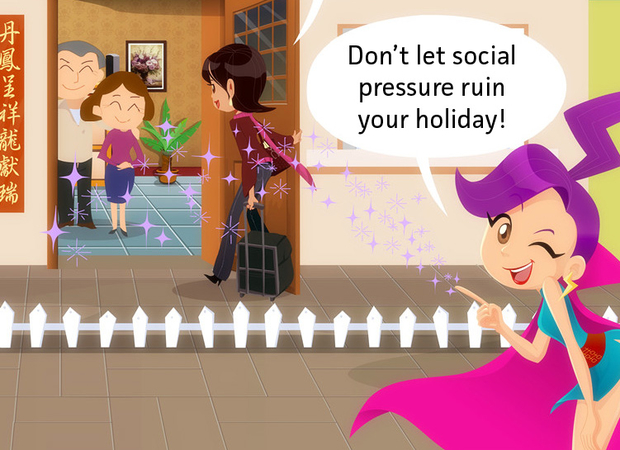
‘Still Not Married?’ A Graphic Guide to Surviving Chinese New Year
Maya Hong is a Beijing transplant from a small town outside of Harbin, the icy city not far from China’s border with Siberia. Though proud of her glacial origins and skilled at combating subzero temperatures, over the years Hong, 30, has had to add...
Viewpoint
02.20.15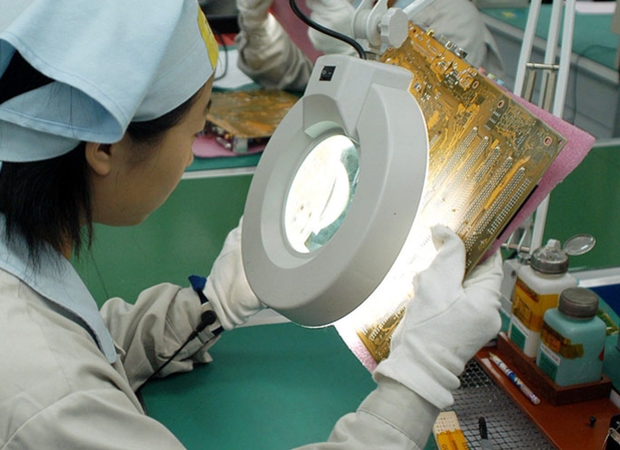
Major China Apple Supplier Pays Workers Less Than Foxconn
Apple, the world’s most beloved maker of sleek mobile phones, powerful personal computers, and slim portable music players recently reported record profits—money a new report from the New York-based nongovernmental organization China Labor Watch (...
The China Africa Project
02.19.15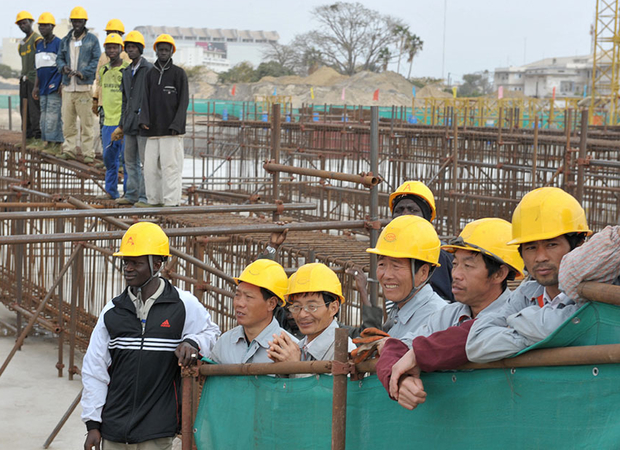
Is Chinese Corporate Behavior Improving in Africa?
The list of grievances against Chinese companies operating in Africa is long and varied, from violations of labor rights to environmental destruction to widespread allegations of corruption. Although it is hard to tell how many companies are truly...
Media
02.19.15Why 700 Million People Keep Watching the Chinese New Year Gala, Even Though It’s Terrible
The Chinese New Year Gala, which aired live on February 18 on Chinese Central Television (CCTV), is a four-and-half hour variety show with song and dance, comedic skits, magic tricks, acrobatic acts, and celebrity cameos. The show celebrates the...
ChinaFile Recommends
02.18.15Ringing In the Lunar New Year, Whatever It’s Called
New York Times
Because Han Chinese culture developed in regions where herders and goats prevailed, many think the zodiac talisman must be a goat.
ChinaFile Recommends
02.16.15With Lunar New Year Show, Another Link to China for a New York Fireworks Family
New York Times
The Central Academy of Fine Arts, China’s largest art academy, is involved in the celebrations this year.
Sinica Podcast
02.16.15
Business and F*cking in China
from Sinica Podcast
This week's show starts with us grilling James on "what you have to do to be part of Chinese business culture" and descends from there into stories of the sort of booze-and-ketamine-fuelled business deal-making that seems to consist...
Conversation
02.12.15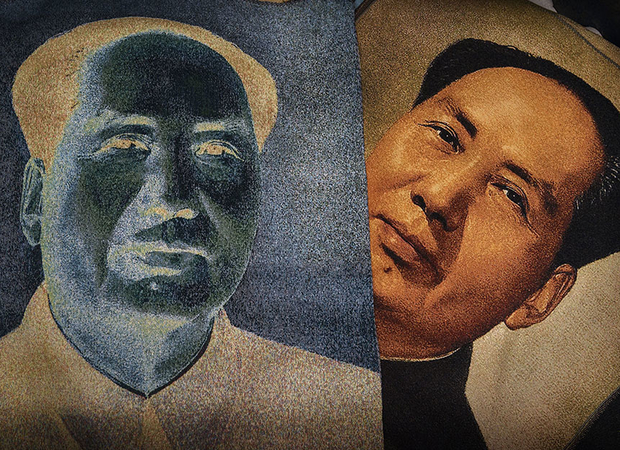
Is Mao Still Dead?
It has long been standard operating procedure for China’s leaders to pay tribute to Mao. Even as the People’s Republic he wrought has embraced capitalist behavior with ever more heated ardor, the party he founded has remained firmly in power and his...