


The Silk Road Of Pop
on April 12, 2013
The film follows the trails left by a young Uyghur female named Ay and her interest in music, documenting her influences and portraying her musical idols in northwestern China.
The film follows the trails left by a young Uyghur female named Ay and her interest in music, documenting her influences and portraying her musical idols in northwestern China.
China may have the lowest college dropout rate in the world. Some chalk this up to the success of China’s rigorous college entrance exam and family support systems. But others say the country’s universities have become too easy.
“As business people, our goal is to reduce complexity,” Kent Kedl said. “We want to reduce risk by understanding the complexity and then packaging it up so we can identify it. China resists that at every turn.”
Until now, Pyongyang had clung to the transparent fiction that it only had a peaceful rationale.The new element in the announcement is North Korea's acknowledgement that the uranium enrichment is for weapons use.



From their website:
In-depth Apple news, analysis, reviews, how-to's and more since 1997.
The same newspapers that attacked Apple and even China's Foreign Ministry are now heaping praise on the American company, calling Apple’s revised policies evidence that the company had “conscientiously” responded to consumers.
The Internet was expected to help democratize China, but has instead enabled the authoritarian state to get a firmer grip.
In 1996, art historian Nancy Berliner, working with the Peabody Essex Museum, purchased a vacant Qing dynasty merchant’s house from the Huizhou region of China and, piece by piece, moved it to the United States to be meticulously reconstructed at the museum in Massachusetts. Now, houses in the same graceful vernacular style are becoming collector’s items for China’s wealthy, who dismantle, relocate, and repurpose them, with little attention to their history.
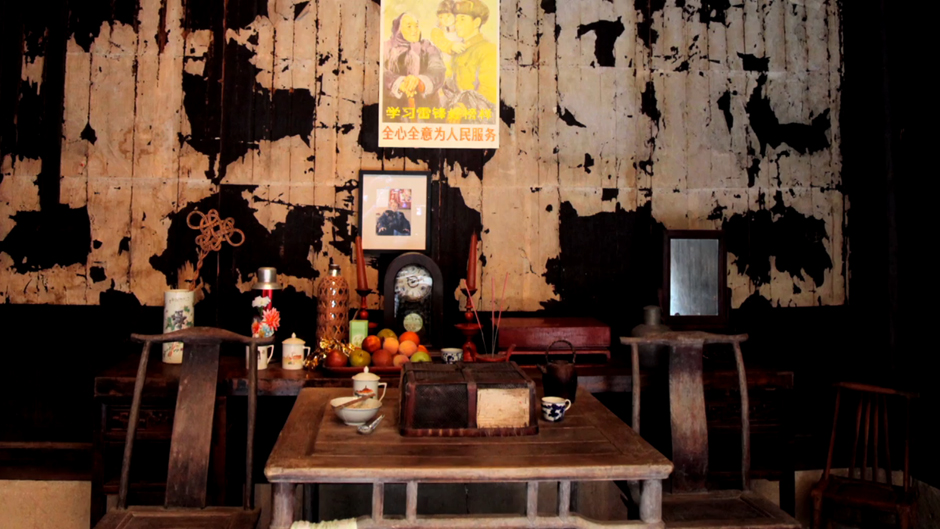
When, in 1996, art historian Nancy Berliner purchased a late Qing dynasty merchants’ house from Huangcun, a village in Anhui province, it was just one ordinary house among thousands like it in the picturesque Huizhou region of China. It took Berliner seven years to oversee the meticulous process of dismantling and shipping the house, called Yin Yu Tang, and then re-erecting it at the Peabody Essex museum in Salem, Massachusetts. A decade has passed since it was opened to the American public in 2003.

National health authorities have embarked on an ambitious, three-year, 32-million-yuan project to determine the prevalence of autism in China and charter new protocols for diagnoses and treatment.