


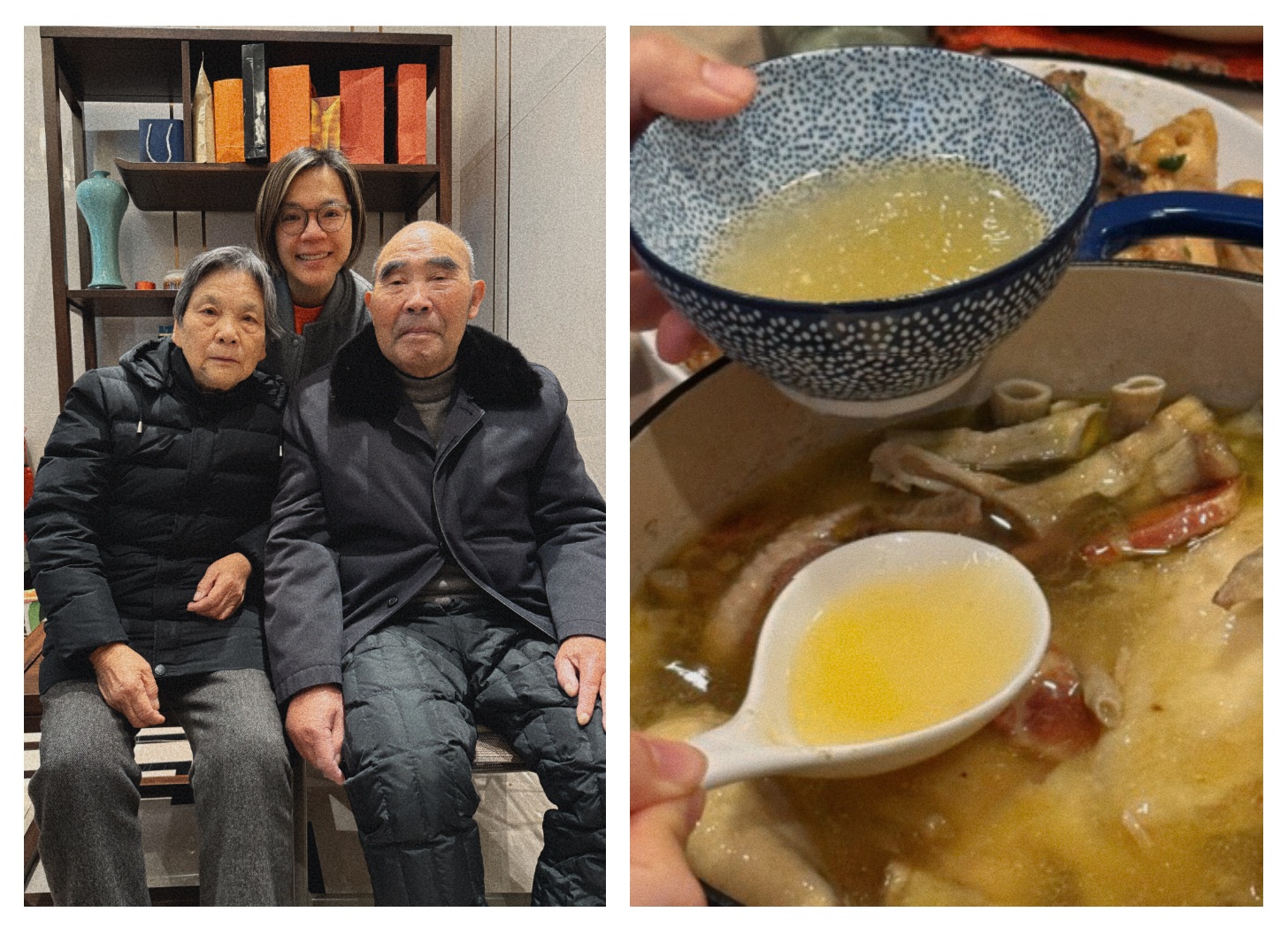
On a spring day in 1996, my aunt brought her city friends to our village for an outing. We lived deep in the mountains, dozens of miles from Hangzhou, where my aunt worked.
I was five and had lived in the village my entire life. I fantasized about living in the city. Not long before, I had learned the Chinese words gongren 工人(workers) and nongmin 农民 (farmers) from a children’s magazine. I asked my mother which we were. My mother said we were farmers. Workers lived in the cities, and farmers worked in rice paddies in the countryside, she explained. “But I’m not farming,” I said. “Why am I a farmer?” I was puzzled.
It would take me a few more decades to grasp how China’s stratified hukou system worked against its majority rural population, depriving them of opportunity and mobility. I don’t remember how my mother addressed my question, but that conversation in the mid-1990s left an impression: Everything associated with the city was superior, and farmers lived a backward life.
I went hiking with my aunt’s city friends, a group of more than a dozen adults and children. The unpaved stone trail, shaded by trees and bamboo, wasn’t built for leisure. It was a working route my grandparents and other villagers used on their way to grow and harvest tea and staple foods, dig bamboo shoots, and collect firewood. Our visitors picked wild yingshanhong along the way and made them into bouquets, delighted by things we had never considered special.
My aunt was our major conduit to the outside world. She brought home department store clothes, Western-style dolls with blue eyes and blond, curly hair, and sometimes, imported chocolate. The people she brought with her also carried things we didn’t have. The children my age acted with a sense of confidence and ease that intimidated me. They spoke Putonghua—standard Mandarin—the language I only spoke in school. They dressed differently, too. My mother, a tailor, made most of my clothes; what I didn’t wear from her hands came from city relatives as gifts. I had a pixie cut and wore canvas Mary Janes my mother bought in the neighboring village. The city girls had on one-piece dresses over white tights. Their ponytails were tied with ribbons in matching colors and their shoes were made of leather.
The highlight of the day for the guests came at lunch, after the hike, when we arrived home just in time for my grandmother’s home-cooked meal. My family set up two big round tables in our newer living room, a setup reserved for holidays, when the extended family gathered. In pictures my aunt took that day, my dad and uncle are red-faced from drinking with my aunt’s guests, who enjoyed themselves enough to talk about buying a house in our village, an idea that confused me back then but resonates with me today. I don’t remember what we ate that day, because to me it didn’t feel special. I grew up eating my grandmother’s delicious meals: she cooked for ten people, putting eight to ten dishes on our table every evening.
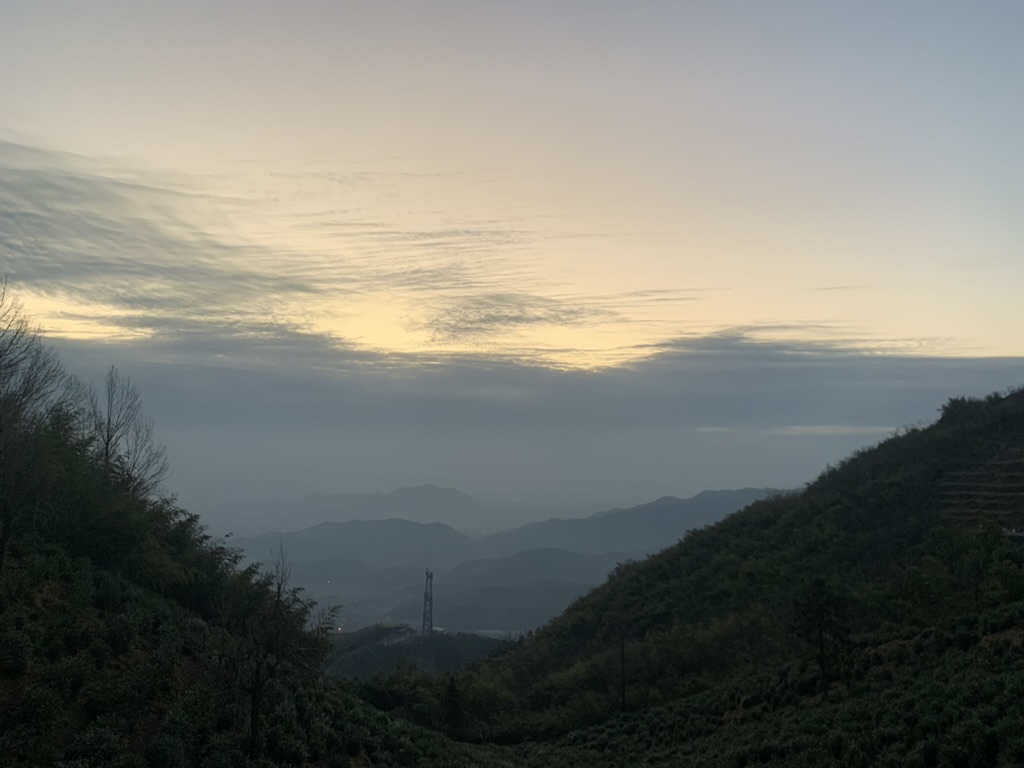
Shen Lu’s home village, which sits between mountains, January 2025.
My grandmother remembers that lunch differently. I learned this recently, while transcribing conversations I recorded with her and my grandfather in 2019. “As soon as they got back from their hike, they came to eat. And they ate like they were going to die of pleasure,” she said. “I made red-braised pork chops. We had lots of our own bamboo shoots. Someone’s son kept saying, ‘It tastes so good. It tastes so good’.” She mentioned, almost as a side note, that after the lunch she had once traveled to Hangzhou at the request of my aunt’s colleagues, to cook for them in my aunt’s tiny dormitory.
Two days after I transcribed that conversation, I hosted a private dinner at my Brooklyn apartment, the first since I’d spent six months adrift in Asia following a layoff. I had started what I call a supper club in March 2025. At each event, I cooked dishes I remembered from home, using ingredients my grandmother had packed into my suitcase before I left: dried fermented vegetables, preserved bamboo shoots, dry shrimp. At the height of renewed U.S.-China trade tensions, those dinners became my escape, a way to tune out the news and my anxiety and share comfort food with real people.
For the club’s dinner in late April, I put together a full spread from my home province of Zhejiang. A chicken soup seasoned only with salted dried bamboo shoots and Jinhua huotui, a specialty cured ham. A scallion and fava bean stir-fry. Wok-tossed bamboo shoots with meigancai, the fermented mustard greens my grandmother always made sure I had enough of before leaving for the U.S. My guests, friends from various parts of China, marveled at the soup, at the bamboo, at all the things they said they hadn’t tasted before.
The gasps around my Brooklyn table were not so different from the ones my grandmother heard 30 years ago, around the same time of the year. My grandmother probably used ingredients readily at hand, from our own backyard, vegetable garden, and the surrounding mountains. I had worked a lot harder. I spent days designing the menu and then had to track down crispy, tender water chestnuts, bamboo, and fava beans—the ultimate spring delights.
I was delighted by my guests’ appreciation for the effort I put into recreating a taste of home in a foreign land. I also felt an instant pang of nostalgia and closeness to my grandmother: I have become someone like her, providing comfort and care through food, the language she and I are both most fluent in. Except that the food I serve is meaningful to me as it is special to my guests. Except I am now one of the cityfolk yearning for an alternative lifestyle. In recreating the comfort of familiar home food in New York, I’m trying to conjure a village that resembles the one I grew up in. More than anything else, I’m reckoning with the various edges and layers of identity, ambition, and longing matted down and muted during decades of traversing boundaries as I parse who I am and feel my way toward who I still want to become.
A few days before my dinner, during my first online Japanese class, my Tokyo-based teacher asked me a long string of questions: what would I cook, what was the cuisine from my hometown like, where did I buy my ingredients, how did I prepare for the dinner? Using my broken Japanese, I explained that Zhejiang food is not particularly spicy or sweet and, like Japanese food, it emphasizes umami and fresh, seasonal ingredients. I told her I was expecting a delivery of free-range chicken the next day and was excited about it, because supermarket chicken in the U.S., raised on industrial farms, generally puts me off. She asked about the difference between American and Japanese chicken, between free-range and factory-farmed. After 40 minutes of talking, running out of vocabulary and brain power, I admitted: I grew up in the countryside, where my grandmother raised her own chickens. Anything less doesn’t measure up.
My grandmother still raises her own chickens. She keeps two dozen chicks, golden-feathered hens and roosters, in a wired coop on the higher ground beside her house. The first thing she does each morning is feed her chickens a mix of rice husk, bran, corn, and cooked sweet potatoes, she told me on a recent call. She spreads three buckets of feed across the coop, preventing the bigger birds from stealing from the smaller ones. The current batch of chicks she acquired recently will be mature enough just when I return for my next visit, she told me.
When I visited home in January, she showed love the way she always has, by offering to cook for me. I didn’t fully understand the amount of work that went into preparing and cooking eight dishes at once until I started my monthly supper club. My grandmother did it every day for our big family when I was young. I took her labor entirely for granted.
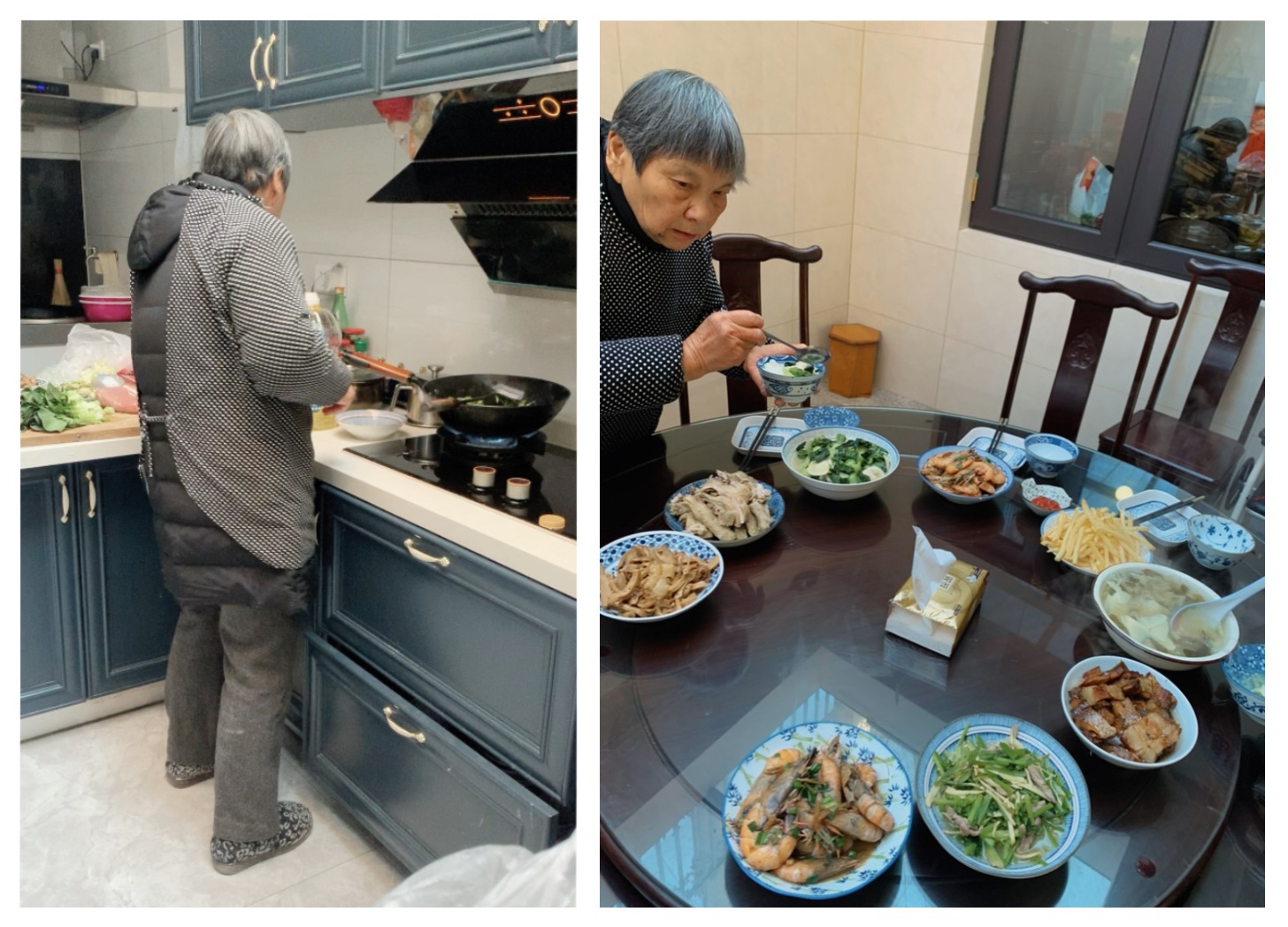
Shen Lu’s grandmother cooks, and stands over the meal she made, January 2025.
As a token of appreciation that came decades too late, I told her, “I can cook now, Ng-niang. Let me cook for you.” I knew she’d truly accepted the offer when she asked if I wanted a chicken. “I could kill one,” she told me matter-of-factly. The next day, she delivered a whole cleaned bird she’d spent four months raising to my parents’ house, two doors from hers.
I steamed it following her and my mother’s instructions: adding Shaoxing wine, sliced ginger, salt, turning on high heat. I had to ask them both to leave the kitchen so I could focus. At the 50-minute mark, my mother called from the dining room that it was time to turn off the heat. Every other dish I cooked that day was also executed under my mother’s strict supervision. That, plus working in an unfamiliar kitchen, made me so nervous I forgot to take a photo of my grandmother in front of the first meal I’d ever cooked for her. Maybe it was for the best. She didn’t seem to have much of an appetite that night. Tasting the black sesame burnt basque cheese cake that I baked, she pronounced it a tad too “sesame-y.” She kept nudging me toward the chicken drumsticks, the best part always saved for the kids when I was young.
Nothing tastes like my grandmother’s chicken. The soup I made for my New York friends relied on dried ingredients for its depth. The bird I found was among the best I’ve bought in New York, without the slightest gamey taste that has kept me from consuming poultry in the past decade, but it was too meaty, too pale. My grandmother’s chickens are smaller, leaner, more flavorful and firmer in texture, with cheerful yellow-hued skin. Over my last lunch during that visit, my grandmother and father compared notes on which local breeder had the best chicks. They explained the yellow skin came from a natural diet. I was intrigued. These are the kind of conversations I grew up hearing and spent years dismissing as trivial.
My nuclear family left our ancestral village for the city in the summer of 1999, a few months before I turned nine. From then on, I lived the life to which my five-year-old self had aspired. I later left Hangzhou too, deciding it was too provincial, too settled. In 2011, I came to the U.S. for college, moved through Iowa and Chicago, and arrived in New York in 2017. For the next decade, I was swept along, changing apartments and cities, caught up between jobs and visa statuses, always juggling crises and oriented toward what would come next.
What I didn’t expect was that the pull would eventually reverse.
* * *
I’ve found myself increasingly drawn back to the mundane daily life I once couldn’t wait to flee. Part of it is resistance, a protest against a life that has started to feel hollow from the inside: working a high-stress job in a city I once believed was the greatest in the world, amid destabilizing politics thwarting my work and my life as an immigrant in the U.S. Another part of it is food. As I cook more seriously, I keep running into a major problem: the ingredients I want are either unavailable or expensive to the point of absurdity. My reference points for how good food should taste are the things I ate as a child. I grew up in a place with the right humidity, soil, and climate for the most tender and sweet leafy greens. My family grew their own. It has taken me a long time to see how good I once had it.
When I visited home last January, I saw my parents and grandparents living what I would now call the good life. They cook with organically-grown vegetables and fruits from their own garden, more than enough for family and friends to share, and wild-caught river fish, crabs, and prawns from specific market vendors they’ve identified over years of diligent sourcing. The village I thought I’d left behind 20-some years ago didn’t look backward to me anymore. New York, by contrast, had become harder to defend: the subway delays, the cost of everything, the food that tastes like nothing. The rats.
I had grown up during the honeymoon of globalization, shaped by a version of ambition that told me to strive for a cosmopolitan and accomplished life that comes with a mobility beyond the imagination of my parents and grandparents. I did all of that. For a long time it felt like this was what I wanted. Then, slowly, it didn’t.
What gives me joy today isn’t publishing a story about U.S.-China geopolitical tensions, as I did at my previous job at The Wall Street Journal. It’s watching someone taste a dish of bamboo shoots they’ve never had before. It’s a chicken soup that carries the faint memory of my grandmother’s kitchen and the idyllic lifestyle she embodies and that I can see I romanticize.
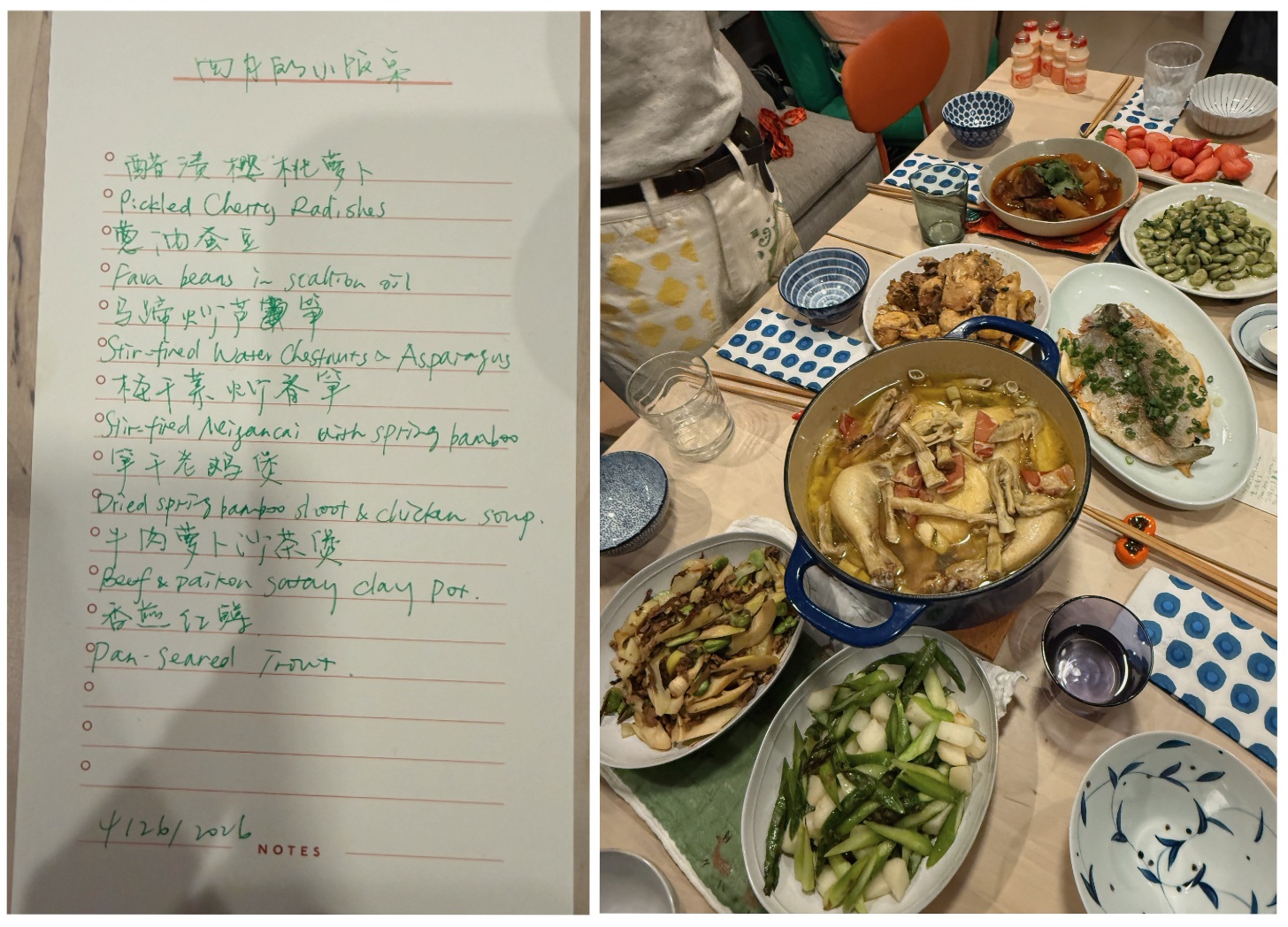
The menu and dishes Shen Lu made for her monthly supper club, April 2026.
Over the past year, at my dinner table and during my travels in Asia, I have found that my friends and I keep asking ourselves the same hard question: What is the life we actually want? For the first time, we’re pushing back on a version of success prescribed to us from a different era. As I slowly recover from the burnout of a decade of China reporting and hustling as an immigrant, it is becoming clear that somewhere in my movement between a mountain village and New York, what I am looking for might be something closer to where I started than I ever want to admit.
My appreciation for the rhythms and practices of rural life is shared by a sizable number of urban Chinese. In China, beginning during the Covid-19 pandemic, young people have been moving to corners of far-flung areas like the southwestern province of Yunnan, building lives and communities anew.
The village I return to now isn’t the same village I left at nine. The unpaved stone trail my aunt’s friends hiked in 1996 has been torn up, giving way to a mountain road wide enough for cars. The barren hilltop land where my grandfather harvested heaps of sweet potatoes in 1959, keeping his family fed at the height of the famine during the Great Leap Forward, has become a chic coffee shop, a glamping ground, and a popular destination for wedding shoots. One of the few remaining crumbling old Jiangnan-style white-walled, black-tiled houses has been rented and renovated by art teachers who use it as a studio. Some villagers live part time in the city and part time in the village.
The rural areas of Zhejiang province are also not the same as landlocked villages in other parts of China. I come from one of the most prosperous pockets of China, its wealth built on decades of private entrepreneurship and trade. Many families in my village run their own small businesses and live in three-story houses. Infrastructure allows access to city facilities and events with ease. This kind of rural life, one that provides the pleasure of nature without the hardships of relying on land, is an understandable draw for people living in China’s high-pressure, fast-moving cities.
After decades of hustling, my parents have wound down their business and live a semi-retired life in our ancestral village, as the economic force that pushed us into the city is also winding down. Farming is no longer a necessity but a hobby. They grow food for the joy of it, and because it keeps them busy. My grandparents, now reaching their final years, after a stretch of years living in the city have also moved back to their most comfortable environment. They now live in my uncle’s house—with an elevator installed specifically to ease their travel from the generous kitchen to their cozy bedroom.
Returning as a visitor, I carry both a sense of utter familiarity with my most intimate memories of home and a feeling of detachment. The house my parents have spent the previous eight years building is a kind of fortress. It shields me from widespread despair about China’s economic decline, as well as the increasingly oppressive political climate that I cannot begin to process. I can also reap the benefits of organically grown and raised vegetables and chickens, without having ever had to engage in the labor (what my grandfather says is the hardest form of work) of producing them. If I have not experienced this work, can I ever feel an organic sense of connection to its fruits?
In January, my mother, in the most relaxed state that I could remember her in, told me she couldn’t bring herself to harvest the qingcai—the leafy greens sprouting in her yard after the first frost—they were too pretty. Frost makes them sweeter, more tender. I hadn’t tasted that in all the years I’d been away. Instead, I’d been surrounded by “experts” sounding off on worsening U.S.-China relations, and the potential for war, as though they had never had to cross a border and never would. Could they be so glib if they had ever tasted the sweetness of frost-weathered greens?
* * *
On paper in China, I never became a city dweller; I’m still categorized as a farmer. My home address is still my ancestral village. When we moved out of the village, my parents had the opportunity to buy city household registration documents (or hukou) for 10,000 yuan per person, so that my little brother and I could attend city schools without trouble. But 20,000 yuan in 1999 was an insurmountable sum for our family. They opted to pay the schools a 5,000-yuan “sponsor fee” for each of us to circumvent the hukou restriction.
My mother now sees this as a stroke of good fortune. With urban hukou, they would not have been eligible to build their new house in our village after many years away. I, too, am glad, in hindsight, that we didn’t become city people, because I now have the most literal laojia to return to, with roots and relationships going back generations, the kind fewer and fewer people in China still enjoy.
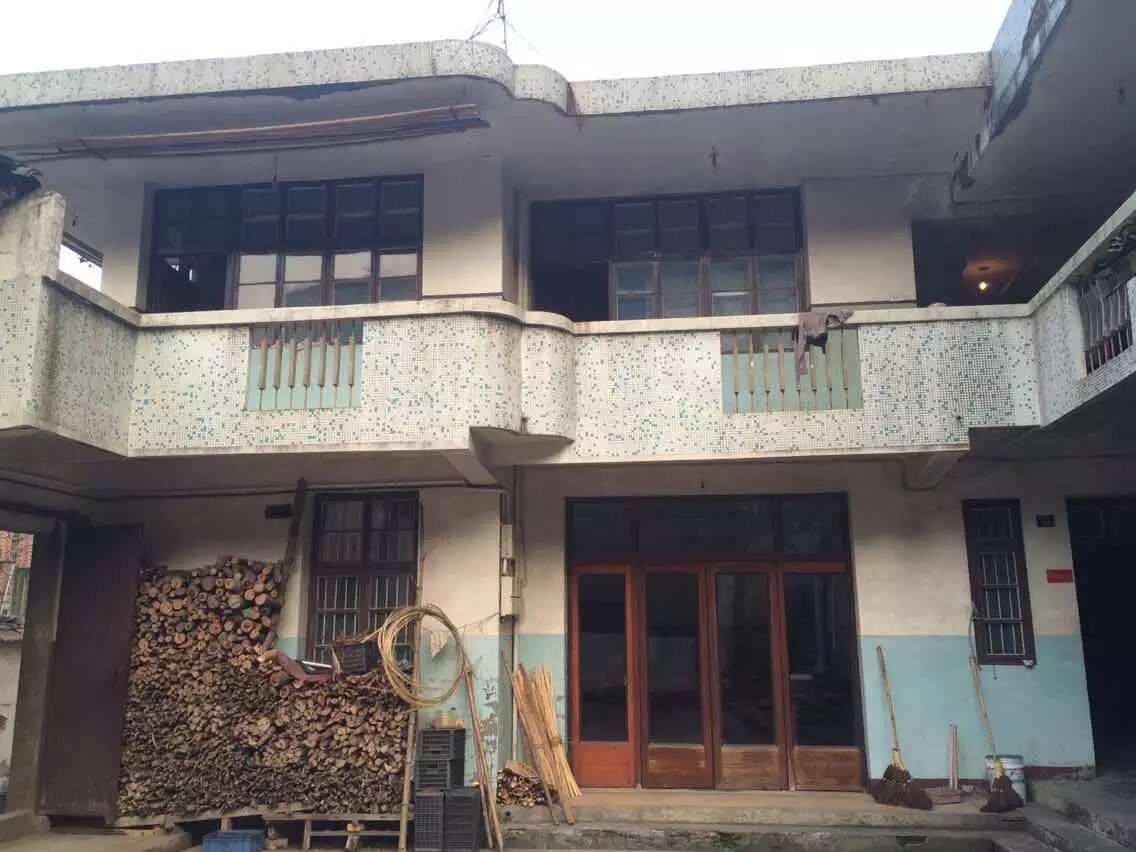
The house Shen Lu grew up in, which was built in the late 1980s, 2015.
During China’s rapid economic rise and urbanization in the 2000s, I benefited from my family’s relative affluence to receive a city education that eventually sent me to study in the U.S.—a privilege not so uncommon back then. Between 1999, when I experienced the first major transition in my life, and now, I’ve lived in 15 different apartments across eight cities in China and the U.S. The disruptions and displacement didn’t fully register until recent years, when I started visiting my family in China after a stretch of six years away.
The visceral sense of homecoming was so intense it hit me like an evening tide, wave after wave. Yet somehow, it also calmed me. The mountains hadn’t moved, still drawing fog around themselves like a veil on rainy days. Every morning, I woke up to the crowing of roosters, possibly my grandmother’s. The woman who gave me shots and IVs when I was a sickly kid still recognized my name when I popped into the local clinic for eye drops. For the first time since I left the village, I felt I was home—and safe. As if I were back to my carefree childhood self, protected by the mountains, unburdened by the outside world.
So I romanticize it all, though I know what I left behind wasn’t just economic backwardness, but also a small-place feel that I found confining. That everyone-knows-everyone community runs on a web of intricate interpersonal relationships. The comfort stifles ambition. The intimacy suffocates privacy and requires conformity. It also breeds envy, gossip, and judgment. But it’s the village that raised me and symbolizes a sense of certainty and security I now long for, as someone who has spent decades drifting from one place to another, winding up in New York, a city so transitory, where relationships dissipate all the time. My village found me at a crossroads, trying to reconnect with parts of myself with which I’ve lost touch in the migration, and held me still for a moment like an anchor.
If I’m honest, I don’t know if I could really handle the hard labor of farming, and I may very well still find my village confining, even though materially I might have a life there to which my American life will never compare. In an ideal world, I’d be able to straddle the comfort of a laojia and the thrill of New York, just like when I could attend city schools as a farmer. That seems more like a fantasy than a reality. At times, I wonder if I’m asking for too much. As a direct beneficiary of globalization and China’s economic boom, I’ve achieved so much more than my childhood self could have imagined. So many others were harmed as my life expanded. Is my enchantment with my village a mere convenient mental retreat, now that the forces that have always worked in my favor are crumbling? Because even if I returned, I’d be a perpetual outsider. Somewhere along the way, I lost the version of myself who belonged to the village. That version has been subsumed by a version of me who needed to survive and thrive in America, despite my stubborn resistance to becoming American.
I grieve and envy the five-year-old, wide-eyed me, who questioned a social and economic structure that worked against her while fantasizing about a universe beyond the mountains. America has its own hukou, I have found. It’s called a visa, or race, or both. Today I’m a tired migrant grappling with a depleted journalism industry, a world turning more conservative and authoritarian by the day, and an AI storm taking us no one knows where. My ache for home has never felt more present.
And so right now, I am chasing chickens. Searching for one that will bring me closer to my grandmother’s hens and for the real connections, however fleeting, that form around my Brooklyn dining table.