


Beijing Watches and Waits While Trump Talks up His Meeting with Kim Jong Un
on March 13, 2018
The milestone summit suits Beijing's interests so the communist state isn't expected to interfere.
The milestone summit suits Beijing's interests so the communist state isn't expected to interfere.
Plan follows constitutional amendments that boost President Xi Jinping’s power.
Brooks Spector is an Associate Editor at the Daily Maverick newspaper. He settled in Johannesburg after a career as a U.S. diplomat in Africa and East Asia, and previously taught at the University of the Witwatersrand, was a consultant for an international NGO, and ran a theater. He is a regular commentator for South African and international print/broadcast/online media.
Based on extensive interviews with writers, poets, artists, activists, and others personally affected by the government’s grip on online expression, as well as interviews with anonymous employees at Chinese social media companies, this report lays bare the destructive impact of the Chinese government’s vision of “cyber sovereignty” on netizens who dare to dissent. The report also includes an Appendix that documents 80 cases of Chinese citizens warned, threatened, detained, interrogated, fined, and even imprisoned for online posts over the past six years. The wide-ranging content of these posts, which touch on everything from Tiananmen Square to issues such as land rights and local corruption, demonstrates the ruthless enforcement of information control and the heightened risks facing those who dare test ever-evolving methods and powers of censorship. The report offers recommendations to the governments of China and the United States, members of the international community, and private social media companies, urging them each in their capacities to commit to ensuring free and open expression online and to ending the practices of or refusing to comply with online surveillance and censorship that flies in the face of universal rights to free expression and international law.
One of the simplest and least useful ways to understand the future is to take exactly what’s happening today and project it forward, rigidly and predictably, into tomorrow. This view is more than just a form of mental inertia; it is a breed of historical determinism, denying the forces of uncertainty and human agency that actually shape change over time. Yet this view appears to have taken hold, with stunning speed, in many assessments of the dramatic political events underway in China today.
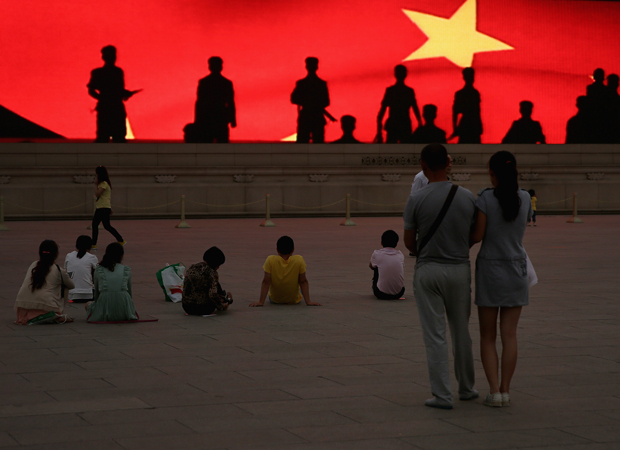
When I lived with Tom in the city of Chengdu in 2015 and into 2016, he was a 23-year-old probationary member of the Chinese Communist Party, on his way to joining the organization’s nearly 90 million full members. He wanted to embark on a career in government because he believed he could be a fair, considerate, thoughtful, and intelligent leader for his people and his country. By academic achievement, he ranked as one of the better minds of his generation, at the top of his class at Sichuan University, the best university in western China. Tom’s ultimate goal was to serve as mayor of a “small or large town” with a population of one to 14 million. Power also motivated him; politics was a way to be somebody. It was too early to tell if he was on track, but those were his ambitions.
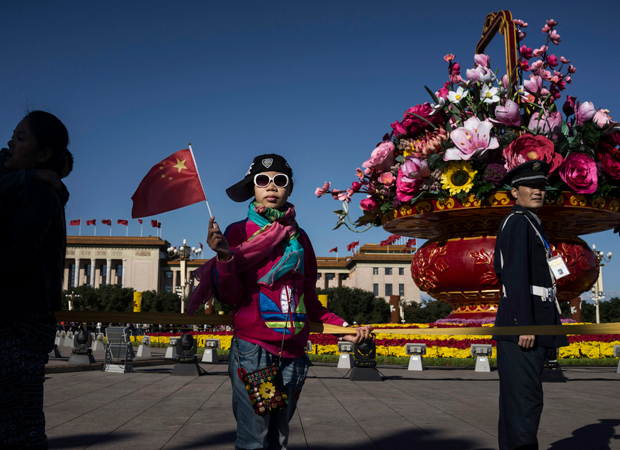
Legislature votes to repeal 10-year presidential term limit imposed after Mao’s death.
What is at stake when China ends term limit on Xi’s presidency?