China's Malformed Media Sphere

From July 2 to July 3, the residents of the city of Shifang in China’s western Sichuan province staged protests to oppose a molybdenum-cooper project they feared would poison their community. The protests were marked by fierce conflict, and the government exercised strict controls over news reporting. Meanwhile, one side of the net was left open for social media — and chatter about Shifang was lively on platforms like Sina Weibo.

Why Big Dams Don’t Work

The record of Africa’s large dams is one of widespread environmental destruction to the continent’s major river systems, upon which millions of people depend for their livelihoods; forcible resettlement and human rights abuses; corruption and cost overruns.

Railroaded into a Fast-Train Technology Trap

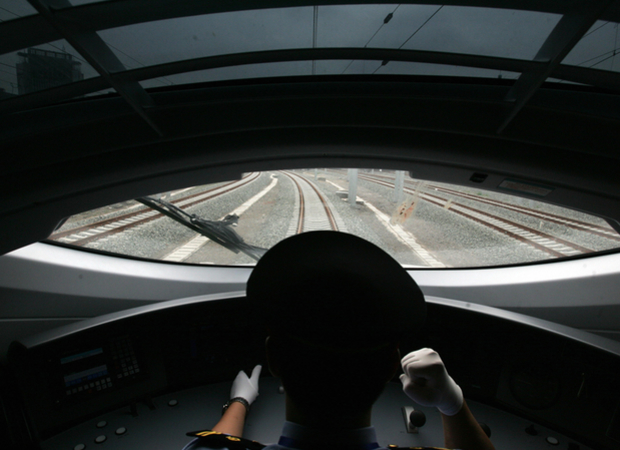
The professional dreams of a team of locomotive designers and rail systems engineers sped along steel tracks through the countryside of northeastern China.

The year was 2003, and high-speed track testing was under way between the cities of Shenyang and Qinhuangdao for the China Star bullet train, the pride of an engineering team assigned to jump-start the nation’s all-new, high-speed railroad.

Economic Ties that Bind

Labor leader Wayne Swan has his finger on the pulse of the Australian economy as the nation’s deputy prime minister and treasurer, which means he’s well-equipped to explain factors defining the increasingly robust relationship between China and Australia.

The period since diplomatic relations between the two countries were established in 1972 has been marked by an astonishing increase in the scope of interaction, as China’s need for natural resources such as iron ore and coal has made it Australia’s largest trading partner.

A Confucian Constitution in China (Op-Ed)

The political future of China is far likelier to be determined by the longstanding Confucian tradition of “humane authority” than by Western-style multiparty elections. After all, democracy is flawed as an ideal. Political legitimacy is based solely on the sovereignty of the people — more specifically, a government that grants power to democratically elected representatives. But there is no compelling reason for a government to have only one source of legitimacy.